










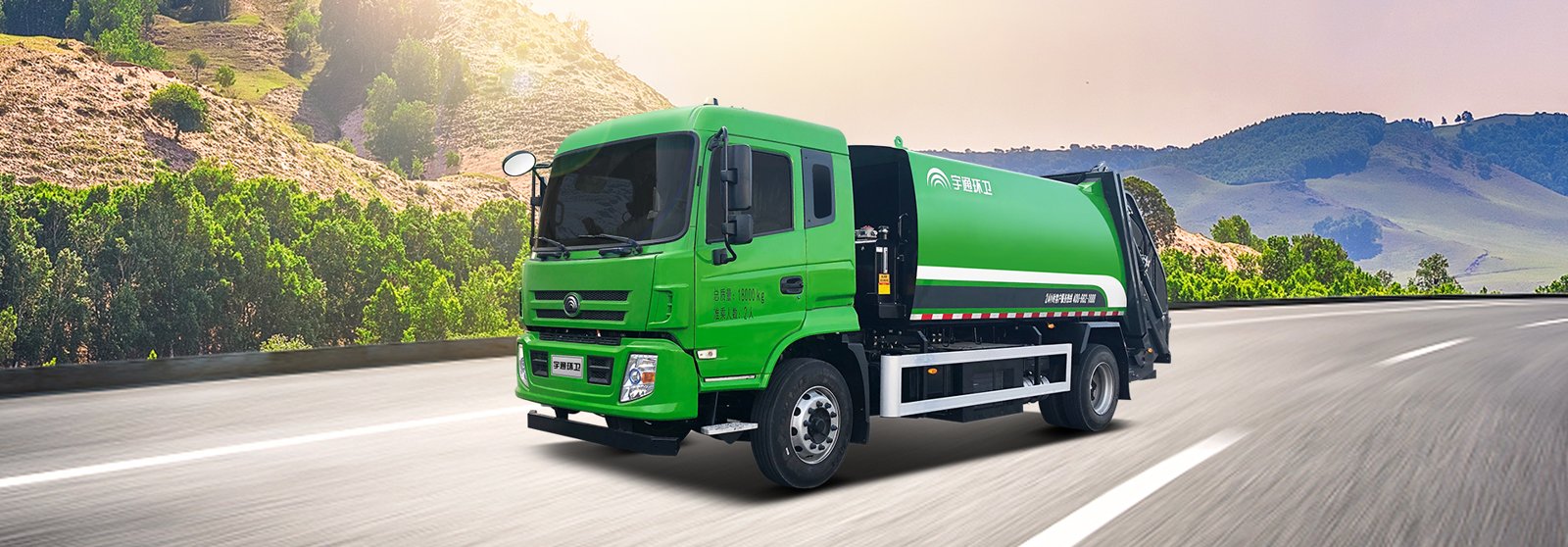
YTZ5180TCAD1BEV 18t Electric Food Waste
18t pure electric kitchen / food waste truck, 10.5 m³ sealed 304 stainless body.
View DetailsRefuse and garbage trucks form the core of Yutong's waste collection product line. The ZYS series centers on compression-type garbage collector trucks that use a hydraulic packer blade to compact refuse, dramatically increasing bin capacity per trip and reducing collection frequency. The range spans 10-ton pure-electric compact units for narrow alleyways and old-town districts, 12-ton electric units for residential routes, and 18-ton heavy units available in pure-electric (BEV), hybrid range-extended (SHEV) and hydrogen fuel-cell (FCEV) configurations. This powertrain diversity allows city fleets to match the energy source to infrastructure — charging-depot-based BEV for dense urban routes, hydrogen FCEV for long-endurance suburban routes, and hybrid for mixed fleets transitioning from diesel. All models feature rear-loading hoppers, anti-overflow sealing and GPS route tracking for smart-city waste management.
18t pure electric kitchen / food waste truck, 10.5 m³ sealed 304 stainless body.
View Details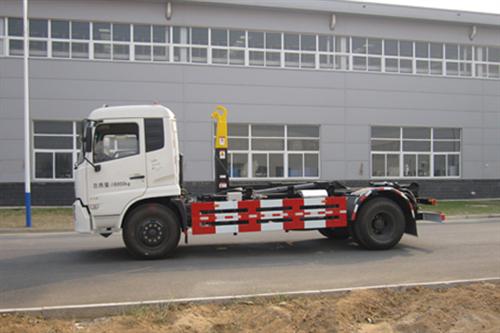
18t pure electric roll-on/roll-off hook-lift truck, 14 t lifting capacity, 255.02 kWh.
View Details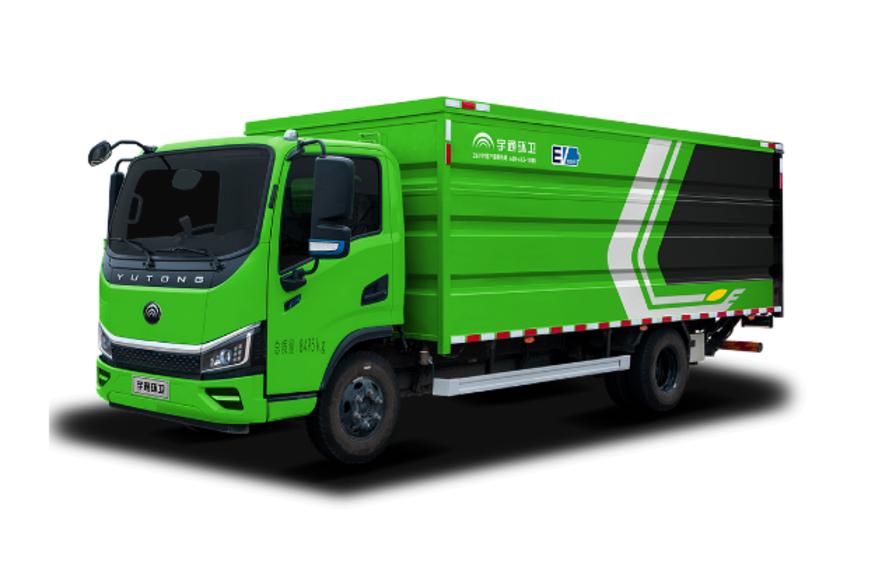
8t pure electric sealed bin transfer truck, 25×240L or 11×660L bins, 83.72 kWh.
View Details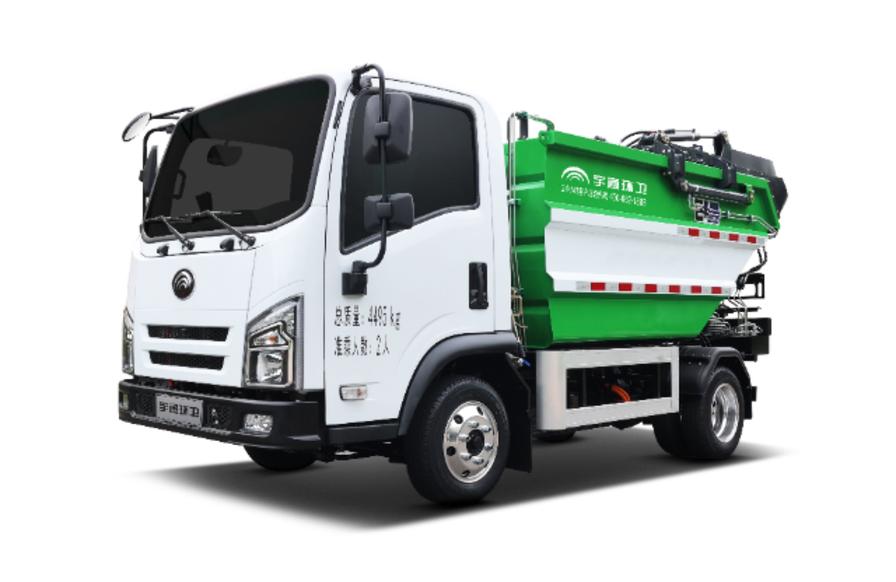
4t pure electric self-loading side-loader garbage truck, 4.3 m³ body, 53.58 kWh.
View Details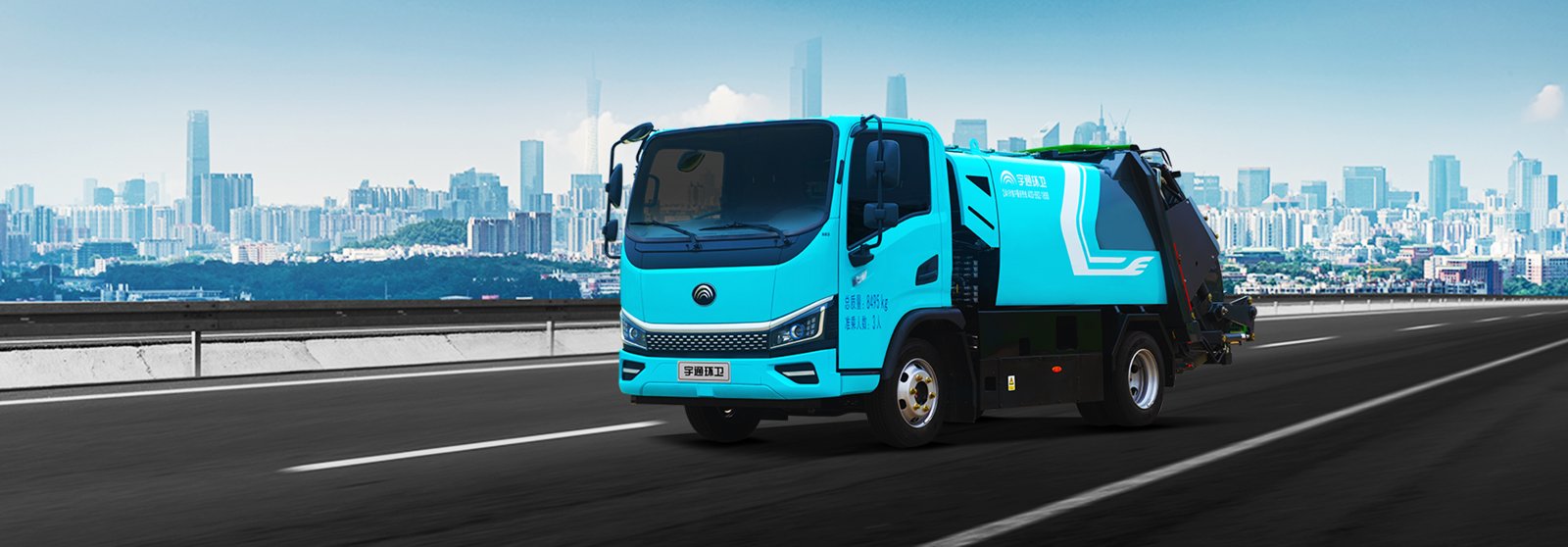
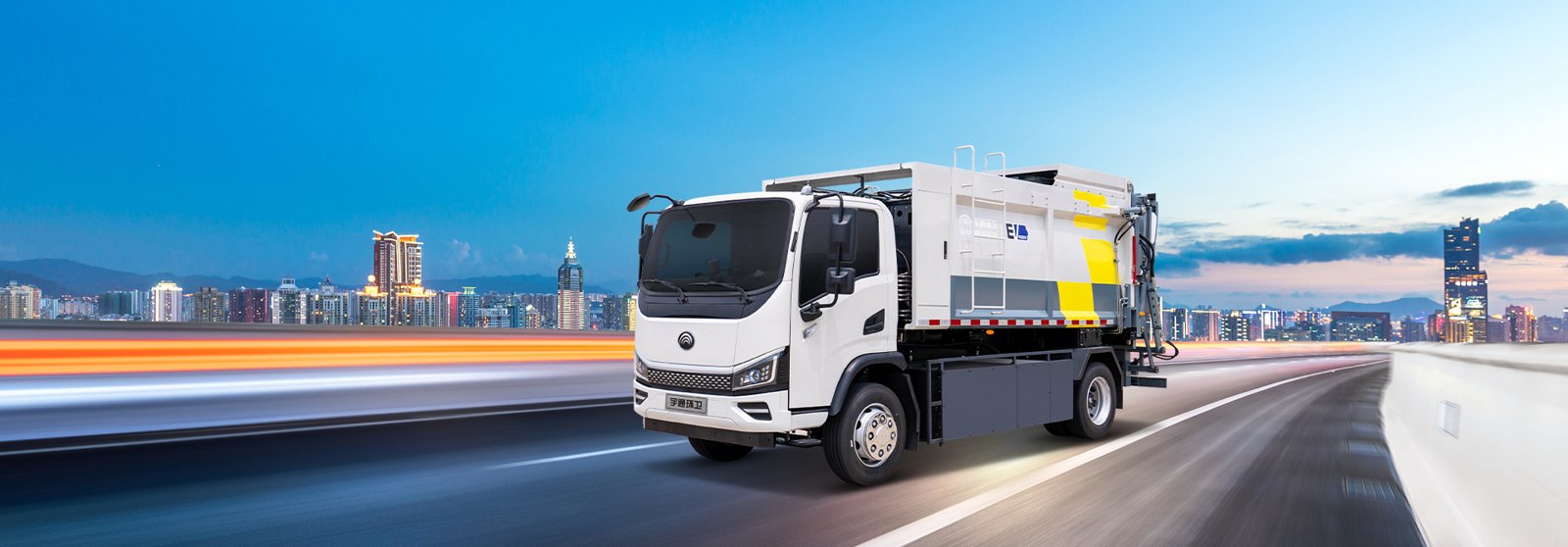
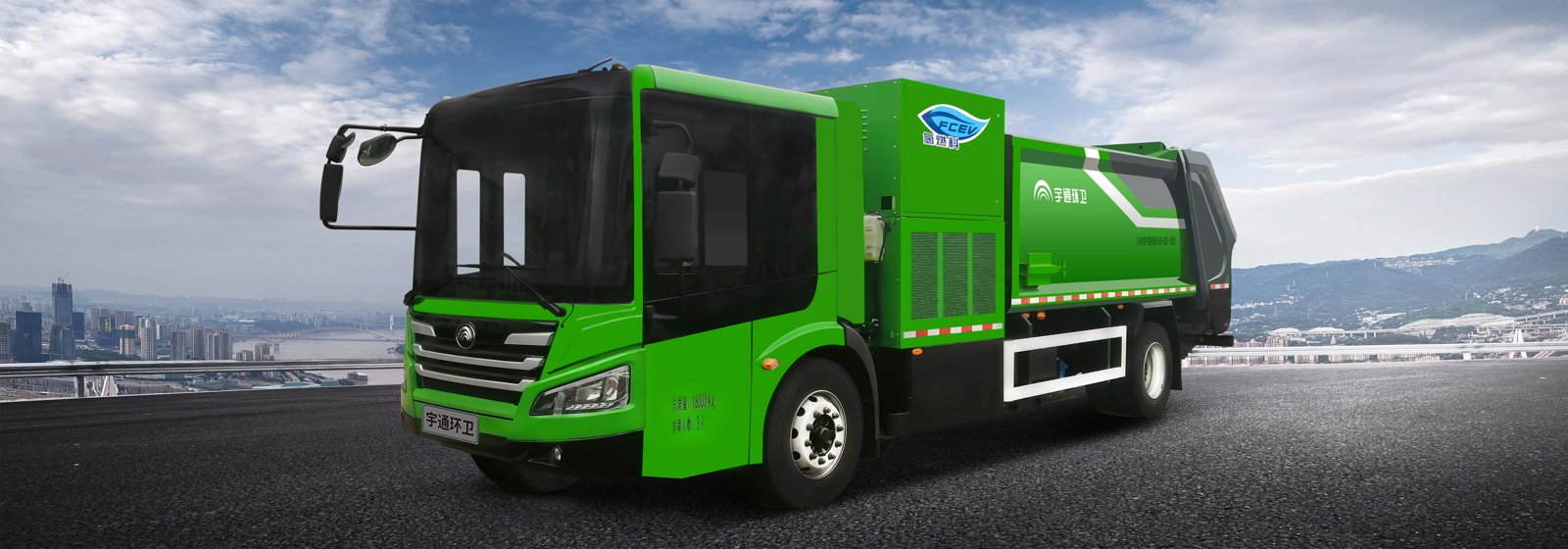
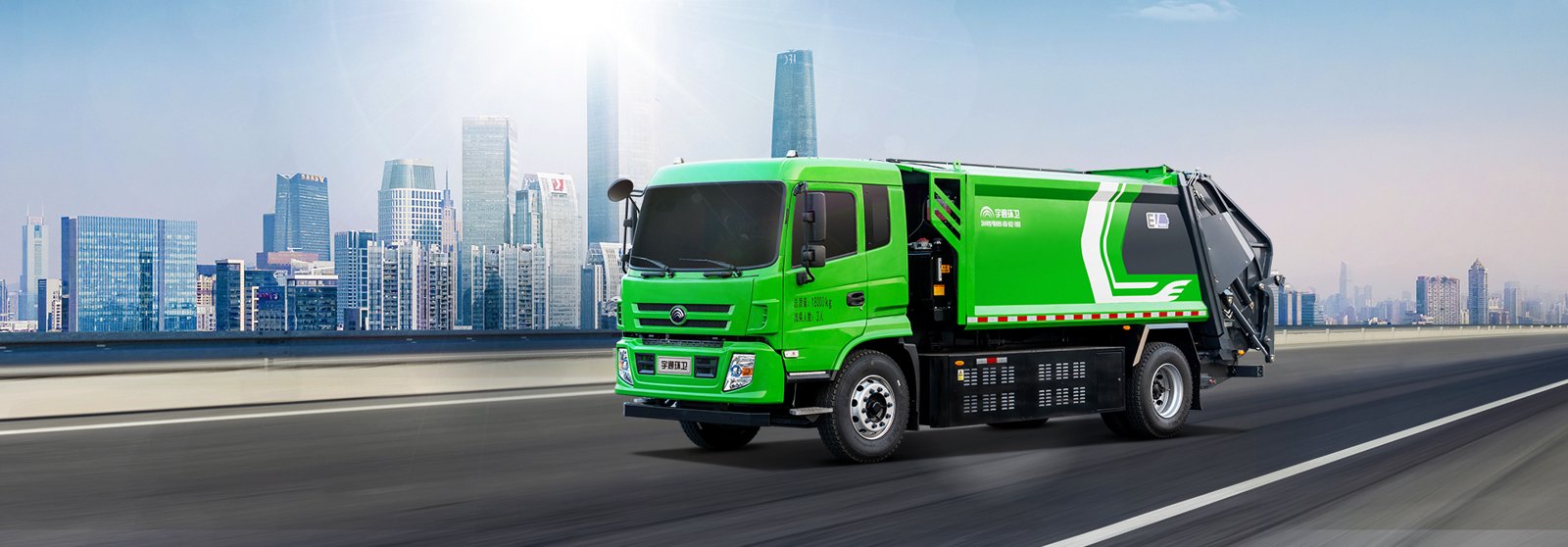
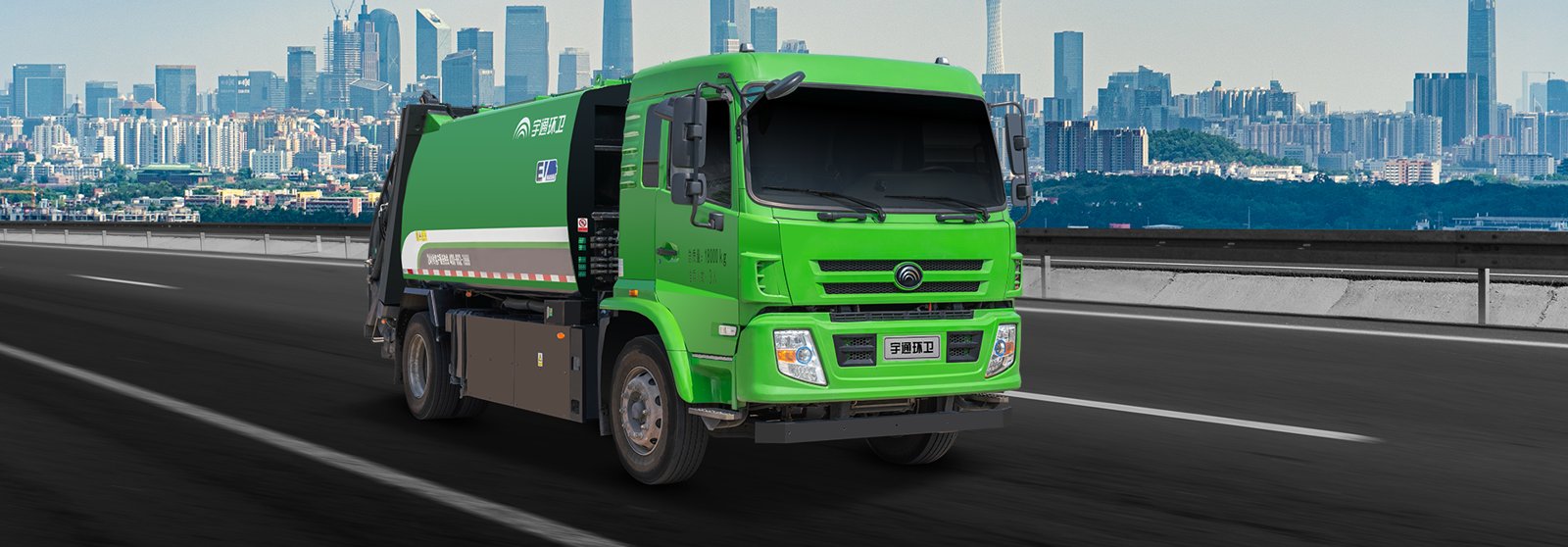
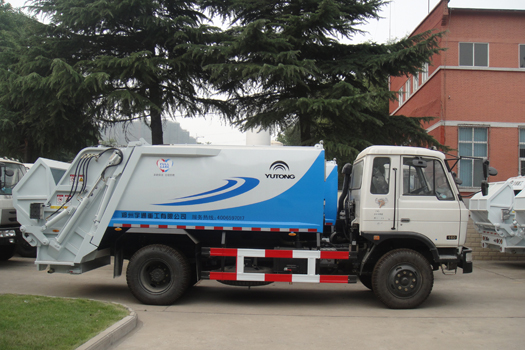
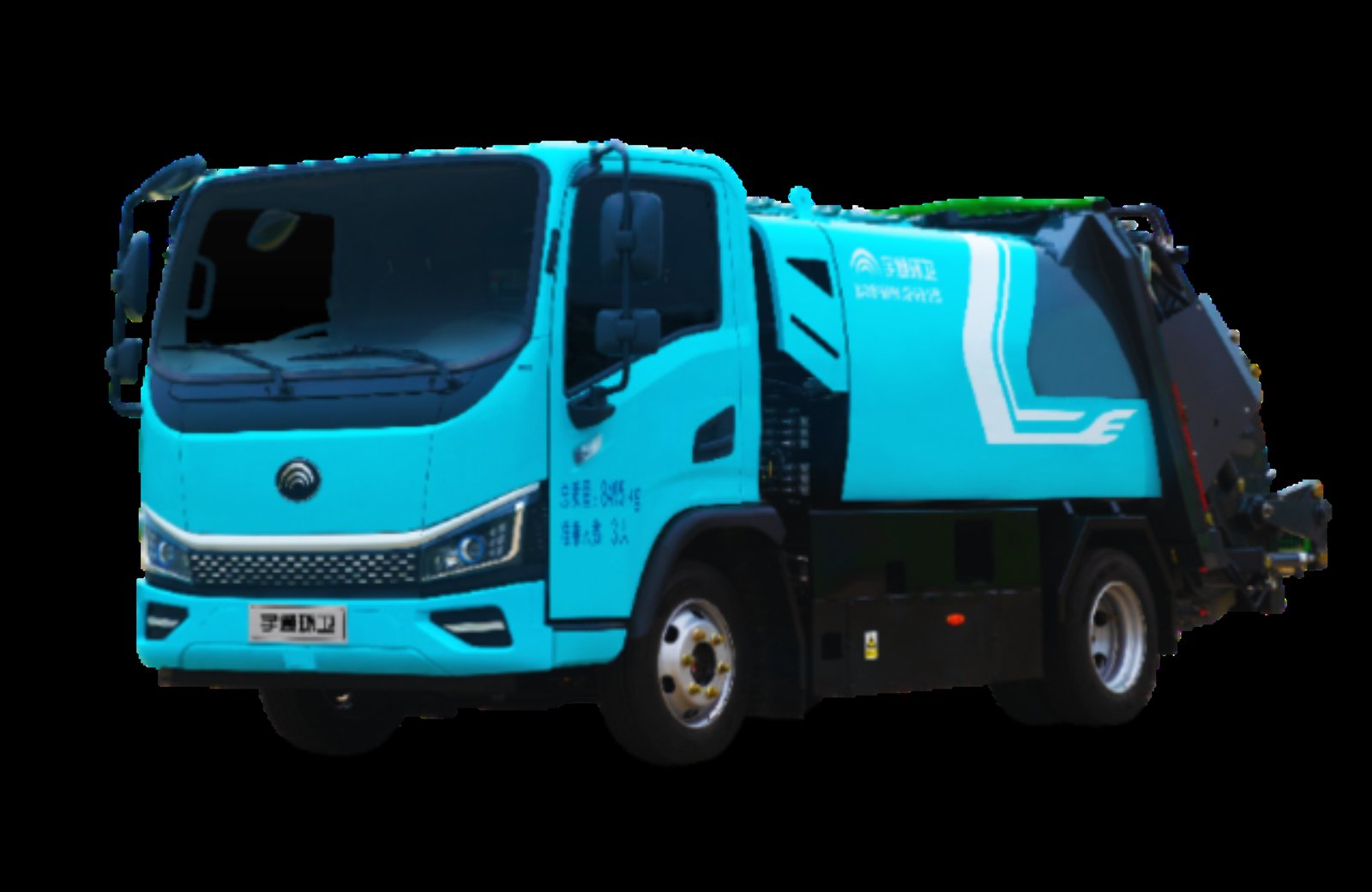
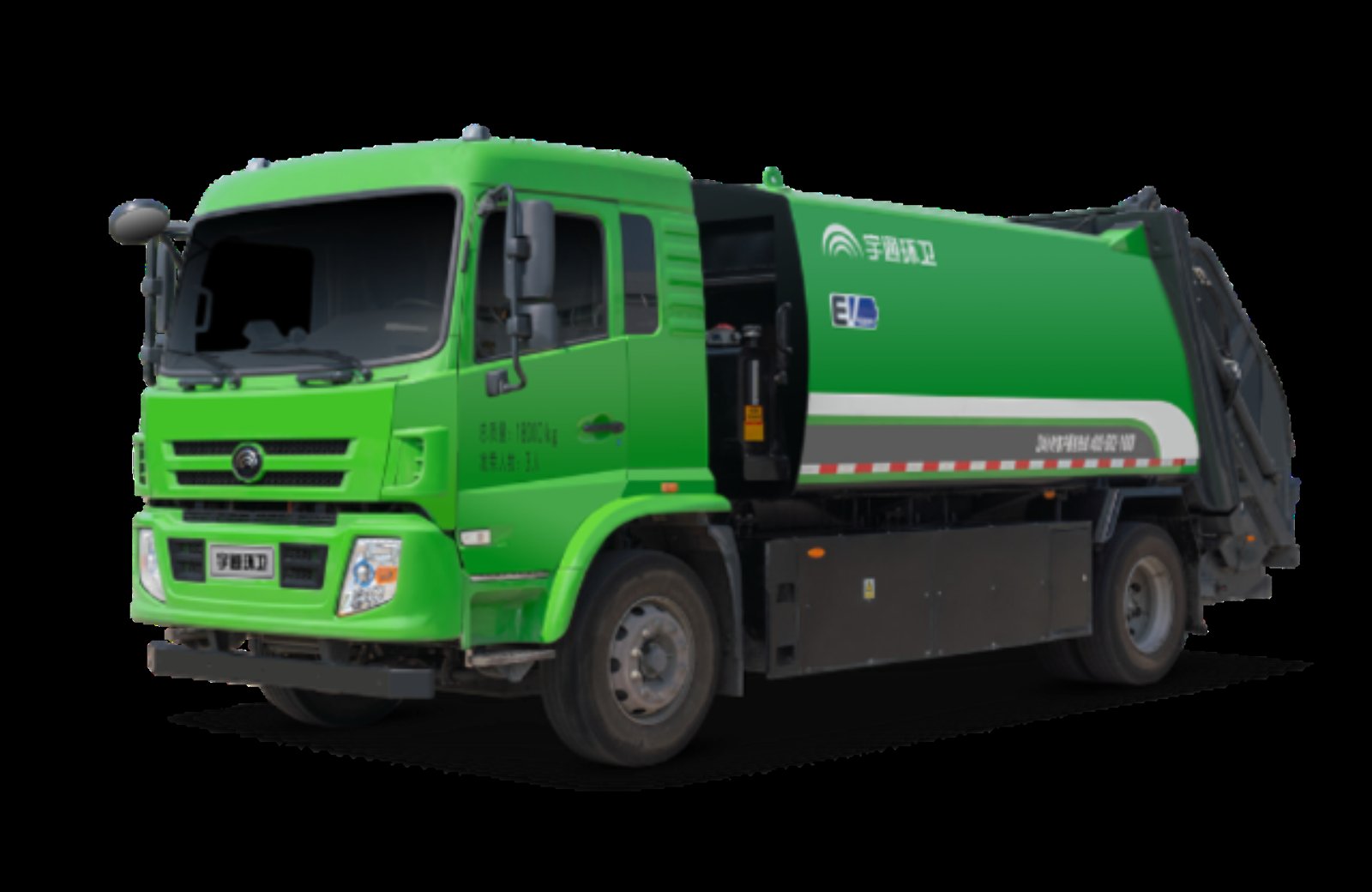
A garbage compactor truck does two jobs that a plain tipper cannot: it lifts and empties standard bins at the kerb, and it compresses the refuse inside the body with a hydraulic packing plate. That compression is what makes the truck productive — uncompacted household waste is light and bulky, so without packing the body would fill by volume long before it reached the legal weight limit, forcing empty trips to the transfer station. The Yutong ZYS series (YTZ5081ZYSD1BEV, YTZ5122ZYSD1BEV, YTZ5183ZYSD0BEV, YTZ5186ZYSD0BEV) spans compact 8-ton units for narrow streets up to heavy 18-ton rear-loaders for main collection routes, several in pure-electric or fuel-cell electric (FCEV) form for low-emission city centres.
The new-energy options matter most on refuse duty, because collection routes are short, stop-start and always return to a depot at shift end — the ideal duty cycle for an electric truck. A compact electric compactor works through a residential loop on one charge, while the packing plate's hydraulic pump runs from the battery. For longer suburban routes, the proven diesel rear-loader remains the practical choice.
Because the packing plate and bin lifter are the critical daily-duty components, Yutong specs them for hundreds of cycles a day and controls build quality under ISO 9001, with packing-force and lifter testing before dispatch.
A compact 8-ton unit (YTZ5081ZYSD1BEV) suits narrow old-town streets where a large truck blocks traffic. Step to 12-ton and 18-ton units (YTZ5122ZYSD1BEV, YTZ5183ZYSD0BEV, YTZ5186ZYSD0BEV) for dense urban routes where a larger compressed load means fewer trips to the transfer station. Match the bin lifter to the standard bin your city uses.
After compression, household refuse settles around 400–600 kg/m³. Size the body for the denser material rather than the light uncompacted average, or the truck hits its weight limit before the body is volume-full. Industrial and demolition waste is heavier again and may need a reinforced body.
Refuse duty is short, stop-start and depot-based, which suits electric and fuel-cell units (BEV/FCEV) in low-emission city centres. Keep a diesel rear-loader for long suburban routes with no depot charging. Most city fleets run a mix: electric units downtown and diesel units on the outer loops.
Household bin collection on urban streets. Recommended: 8–12-ton compactors with the bin lifter matched to the city's standard bin type, electric where the route is low-emission.
City-centre routes where noise and exhaust are restricted. Recommended: electric or FCEV compactors (YTZ5182ZYSD1FCEV-style) for quiet, zero-local-emission morning collection.
Main collection routes with many stops per kilometre. Recommended: 18-ton rear-loaders (YTZ5183ZYSD0BEV, YTZ5186ZYSD0BEV) whose compression cuts trips to the transfer station.
Mixed commercial refuse and market waste. Recommended: a reinforced-body compactor where the waste is wetter and heavier than domestic waste.
Fleets serving a whole city from a central depot. Recommended: a mixed electric-and-diesel fleet matched to route length, with the packing and lifter specced for thousands of cycles a day.
Garbage compactors are exported to the destination market's rules: electric and FCEV units ship with battery, charging and fuel-cell documentation localized to the buyer's grid and hydrogen supply, while diesel units calibrate to Euro II or Euro V. Each order goes out with factory certificate of conformity, packing list, commercial invoice and certificate of origin, plus packing-force and bin-lifter test reports.
Vehicles carry a 12-month or 20,000 km warranty, backed by ISO 9001 quality controls. Wear items — packing-plate seals, bin-lifter pivots, hydraulic hoses and door locks — are supplied as spare-parts kits, and the export engineering team responds within 48 hours. Send your bin type, route length and emission zone to market@yutonggroup.com for a compactor quotation.
A rear-loader lifts and empties standard bins at the kerb, then a hydraulic packing plate pushes the refuse into the body and compresses it. Compression is essential because uncompacted household waste is bulky; without it the body fills by volume long before reaching the legal weight limit.
Refuse duty is short, stop-start and depot-based, which is the ideal cycle for an electric truck. An electric compactor runs a residential loop on one charge with zero local emission, which suits low-emission city centres. Diesel rear-loaders remain the choice for long suburban routes.
A compact 8-ton unit (YTZ5081ZYSD1BEV) suits narrow old-town streets. Move to 12-ton and 18-ton units (YTZ5122ZYSD1BEV, YTZ5183ZYSD0BEV, YTZ5186ZYSD0BEV) for dense routes where a larger compressed load cuts trips to the transfer station. Match the bin lifter to your standard bin type.
After compression, household refuse settles around 400–600 kg/m³. Size the body for the denser material rather than the light uncompacted average, or the truck hits its weight limit before the body is full. Industrial and demolition waste is heavier again and may need a reinforced body.
A rear-loader compactor lifts small bins, compresses the waste in the body and unloads at a transfer station. A roll-on/roll-off (hook-lift) truck swaps whole skip containers for containerised waste. Choose a compactor for kerbside bin collection; choose a roll-off where waste is already containerised.
Compactor bodies mount on mainstream chassis such as Dongfeng, Sinotruk (Howo), Foton and JAC. Right-hand-drive variants are available for the UK, Australia, Southeast Asia and parts of Africa, with the conversion documentation in the export file.
The standard warranty is 12 months or 20,000 km. Wear items such as packing-plate seals, bin-lifter pivots, hydraulic hoses and door locks are supplied as kits, and technical queries are answered within 48 hours.