










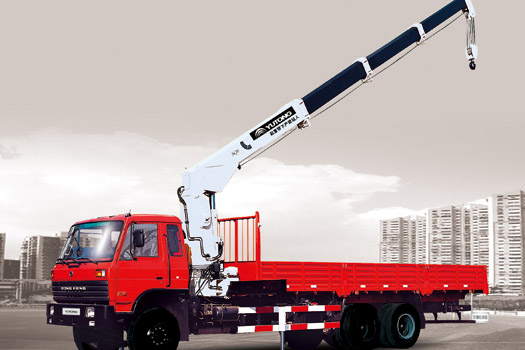
About Hoisting Equipment
Yutong Hoisting Equipment covers three families: truck-mounted cranes for road-mobile general lifting, hydraulic crawler cranes (YTQU series, 55–100 t) for wind installation, petrochemical modules, bridge deck erection and piling work, and the YTQL pure-electric rubber-tire gantry cranes for container terminals and steel yards.
Crawler cranes deliver the longest working radius and the highest lifting capacity per project mix; truck-mounted cranes win on mobility between sites; port tire cranes are purpose-built for yard travel and high-duty-cycle container handling. All new-energy hoisting machines are available with battery or shore-power supply to cut emissions and energy cost in port and urban worksites.
Hoisting Equipment Range
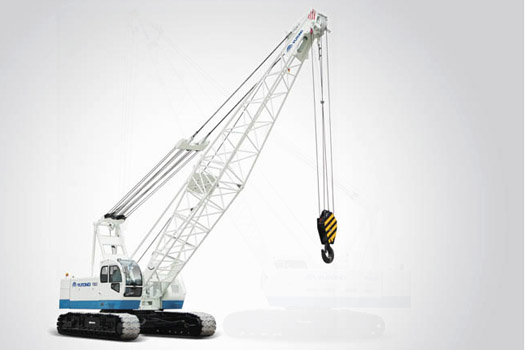
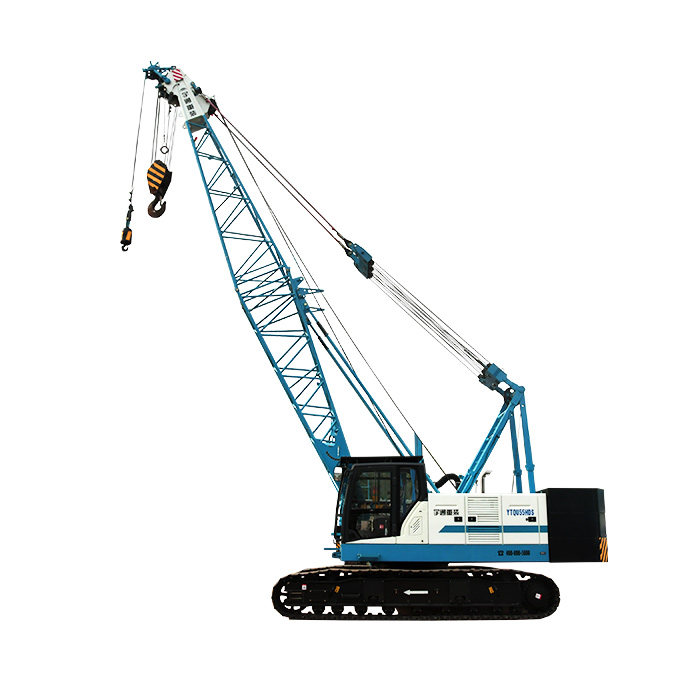
Heavy-Duty Crawler Crane (YTQU55HDS)
55t lattice boom crawler crane for infrastructure projects.
View Details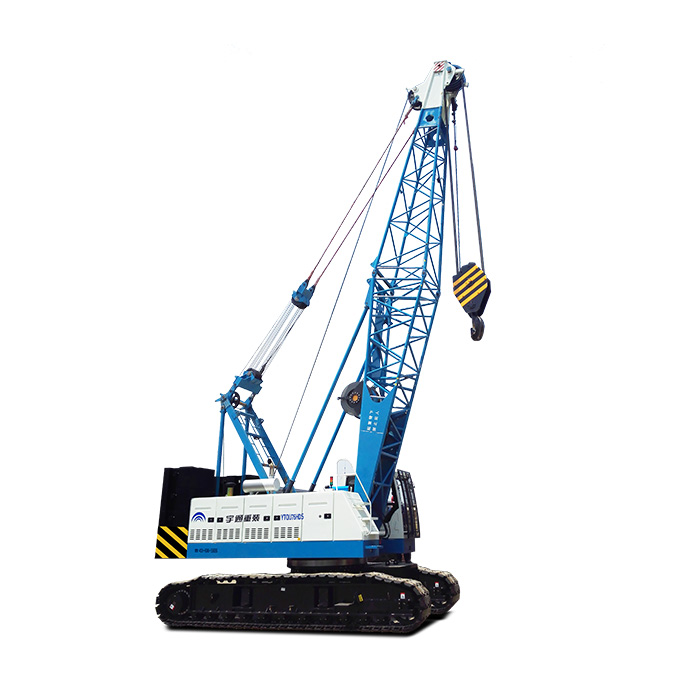
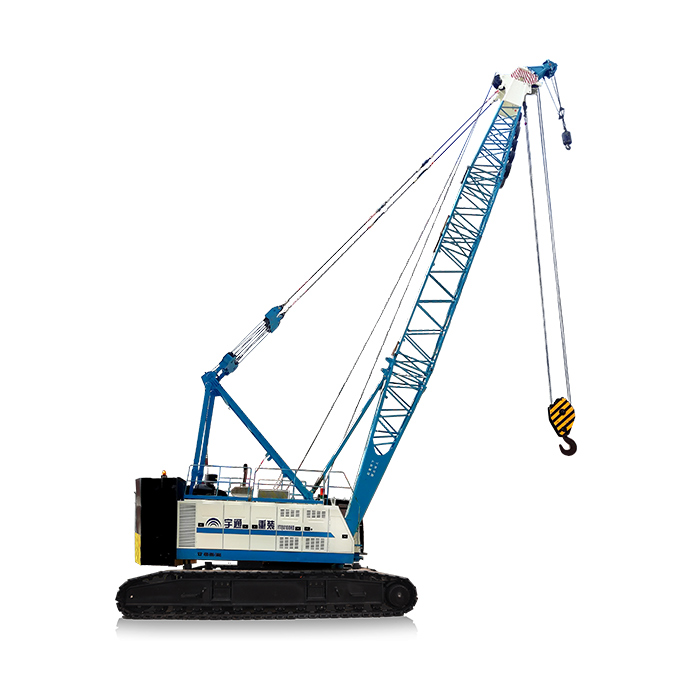
Heavy-Duty Crawler Crane (YTQU75HDS)
75t heavy-duty crawler crane for wind and petrochemical lifting.
View Details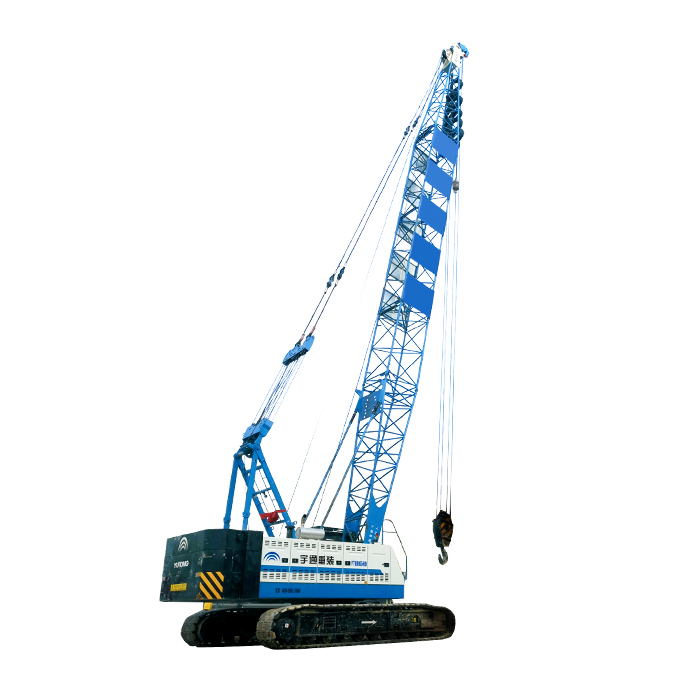
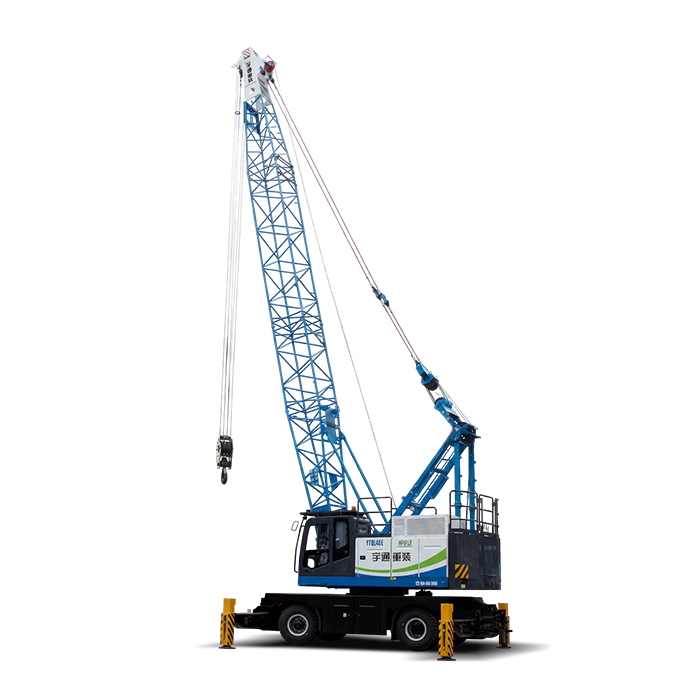
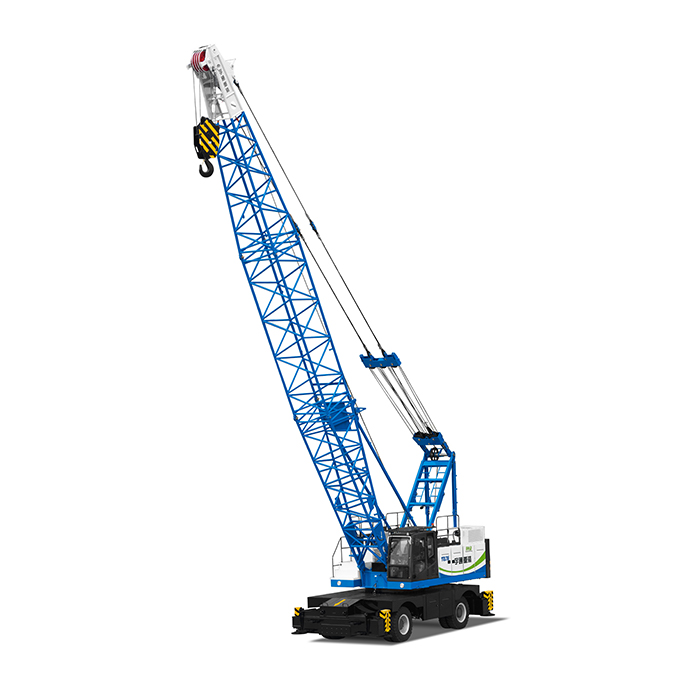
YTQL70E Pure Electric Port Tire Crane
70t electric port tire crane for heavy container lifts.
View DetailsWhy Choose Yutong Hoisting Equipment
Lifting equipment is bought for one of three jobs, and each demands a different machine. A truck-mounted crane wins when the machine must drive itself between sites on public roads — general lifting, utility work and short-radius lifts around town. A hydraulic crawler crane (YTQU55HDS, YTQU65HDS, YTQU75HDS, YTQU100HDS) wins when the lift is heavy and the machine can stay on site: wind-turbine installation, petrochemical module lifting, bridge deck erection and piling. The pure-electric rubber-tire gantry crane (YTQL40E, YTQL70E) wins in a fixed yard — container terminals and steel storage yards — where it travels on tyres between stacked blocks and runs from battery or shore power.
The crawler line spans 55 to 100 tonnes, and the choice between them is driven by maximum lifting load and required working radius, not by brand preference. A 55-tonne machine is the economical answer for routine structural steel and piling; a 100-tonne class machine is needed where radius and combined load demand longer booms. The YTQL port tire crane is purpose-built for high-duty-cycle container handling, where diesel exhaust in a terminal yard is increasingly restricted — the electric version cuts both emission and energy cost per lift cycle.
All machines go out with load-moment and anti-two-block protection, and ISO 9001 controls cover boom welds, rope testing and pre-delivery load testing. For export buyers, superstructure — boom length, hook block, electric or shore-power package — is quoted against the actual lift chart your project needs.
How to Choose the Right Hoisting Machine
Match the machine type to site mobility and duty cycle
If the crane must drive between job sites on public roads, a truck-mounted crane is the efficient choice: it carries itself home at the end of the shift without a low-loader. If it will spend weeks on one site and lift heavy loads, a crawler crane's longer working radius and higher capacity pay off. If it works inside a fixed terminal or steel yard, a rubber-tire gantry crane is the right tool because it straddles stacked rows and moves containers without a dedicated runway.
Match capacity and boom to the load chart, not the headline tonnage
The headline tonnage is the load at minimum radius and close boom. Real lifts happen at radius, where capacity drops sharply. Before choosing between YTQU55HDS, YTQU75HDS and YTQU100HDS, work out the heaviest load at its required radius, plus the boom angle and jib configuration. If you send us the load weight and working radius we will select the model and boom setup against the actual lift chart.
Match power (diesel vs electric/shore) to the yard rules
Crawler cranes run diesel, calibrated to Euro II or Euro V for export. The YTQL port tire cranes offer pure-electric operation with battery or shore-power connection, which is the practical answer in terminals and urban yards where emission and noise rules apply. Electric drive also cuts energy cost per cycle on high-duty container handling.
Common Applications
Wind-turbine and petrochemical module lifting
Heavy, radius-driven lifts call for the crawler line. Recommended class: YTQU75HDS or YTQU100HDS for nacelle and blade placement and module lifting, selected against the lift chart.
Bridge deck erection and piling
Bridge crews lift pre-cast segments and operate piling hammers on site. Recommended class: YTQU55HDS or YTQU65HDS where the radius and segment weight fit, avoiding an oversized machine.
Container terminal and port yard handling
Rubber-tire gantry cranes straddle stacked container rows. Recommended: YTQL40E for standard 40-tonne lifts, YTQL70E for heavy container lifts, both in electric drive to meet terminal emission rules.
General construction and structural steel
Where the crane moves between buildings on site, a truck-mounted crane offers road mobility without a separate haul. Recommended for short-radius structural and utility lifts on active urban sites.
Steel yard and heavy-equipment storage
Steel service yards move long sections and heavy bundles between storage rows. Recommended: electric rubber-tire gantry crane for high-duty-cycle, low-emission indoor-or-yard operation.
Export Compliance & After-Sales Support
Cranes are exported with the destination market's rules in mind: diesel crawler models calibrate to Euro II or Euro V, and the YTQL electric gantry cranes ship with battery and shore-power documentation localized to the buyer's grid. Each order includes the lift chart, load-test certificate, factory certificate of conformity, packing list, commercial invoice and certificate of origin, so customs and site-safety review have the lifting documentation they expect.
Machines carry a 12-month warranty, backed by ISO 9001 quality controls and pre-delivery load testing. Wear items — wire rope, boom pins, slew bearings and hydraulic valves — are supplied as spare-parts kits, and the export engineering team responds within 48 hours on lift-planning or technical questions. Send your heaviest load and working radius to market@yutonggroup.com for a lift-chart-based quotation.
Frequently Asked Questions
Truck-mounted crane or crawler crane: which do I need?
Choose a truck-mounted crane when the machine must drive itself between sites on public roads for shorter-radius general lifting. Choose a crawler crane when it stays on one site for heavy, long-radius lifts such as wind installation, petrochemical modules or bridge erection. Mobility and duty cycle decide it.
How do I choose between 55, 65, 75 and 100-tonne crawler cranes?
Do not choose on the headline tonnage alone — that is the capacity at minimum radius. Work out the heaviest load at its required working radius and boom angle. YTQU55HDS suits routine structural and piling work; move to YTQU75HDS or YTQU100HDS where radius and combined load demand longer booms. Send the load weight and radius and we will select against the lift chart.
What is a rubber-tire gantry crane used for?
The YTQL40E and YTQL70E straddle stacked container rows in terminals and steel yards, moving containers between blocks without a fixed runway. They are built for high-duty-cycle yard handling, and the electric version suits terminals where diesel exhaust is restricted.
Are the port cranes available in electric drive?
Yes. The YTQL40E and YTQL70E are pure-electric rubber-tire gantry cranes, operating from battery or shore power. This cuts local emissions and noise and lowers energy cost per container lift cycle in terminal and yard duty.
What safety systems are fitted?
Machines include load-moment limiting and anti-two-block protection, and go through pre-delivery load testing under ISO 9001 controls. We provide the lift chart and load-test certificate with each export order for site-safety review.
What emission calibration is available for export?
Diesel crawler cranes can be calibrated to Euro II or Euro V for the destination market. The YTQL electric port cranes have zero local emission regardless of local diesel emission rules.
What is the warranty and spare-parts support?
The standard warranty is 12 months. Wear items such as wire rope, boom pins, slew bearings and hydraulic valves are supplied as spare-parts kits, and the export engineering team answers lift-planning and technical questions within 48 hours.