










All Sanitation Equipment
Sweepers
Sweeper-Scrubbers
Water Sprinklers
Garbage Compactors
Road Cleaners
Dust Suppression
Road Maintenance
Vacuum Sweepers
Guardrail Cleaning
About Guardrail Cleaning Vehicles
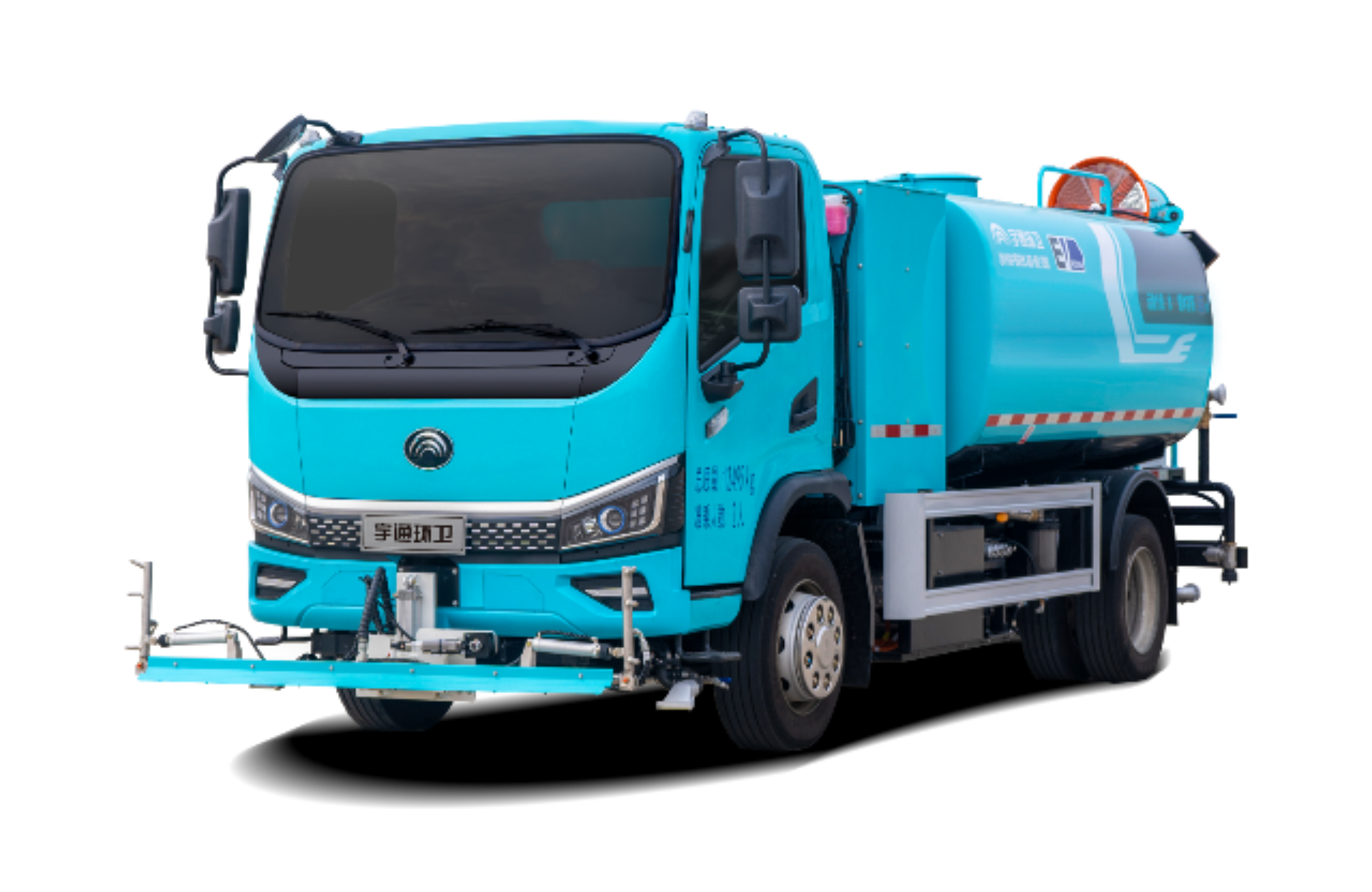
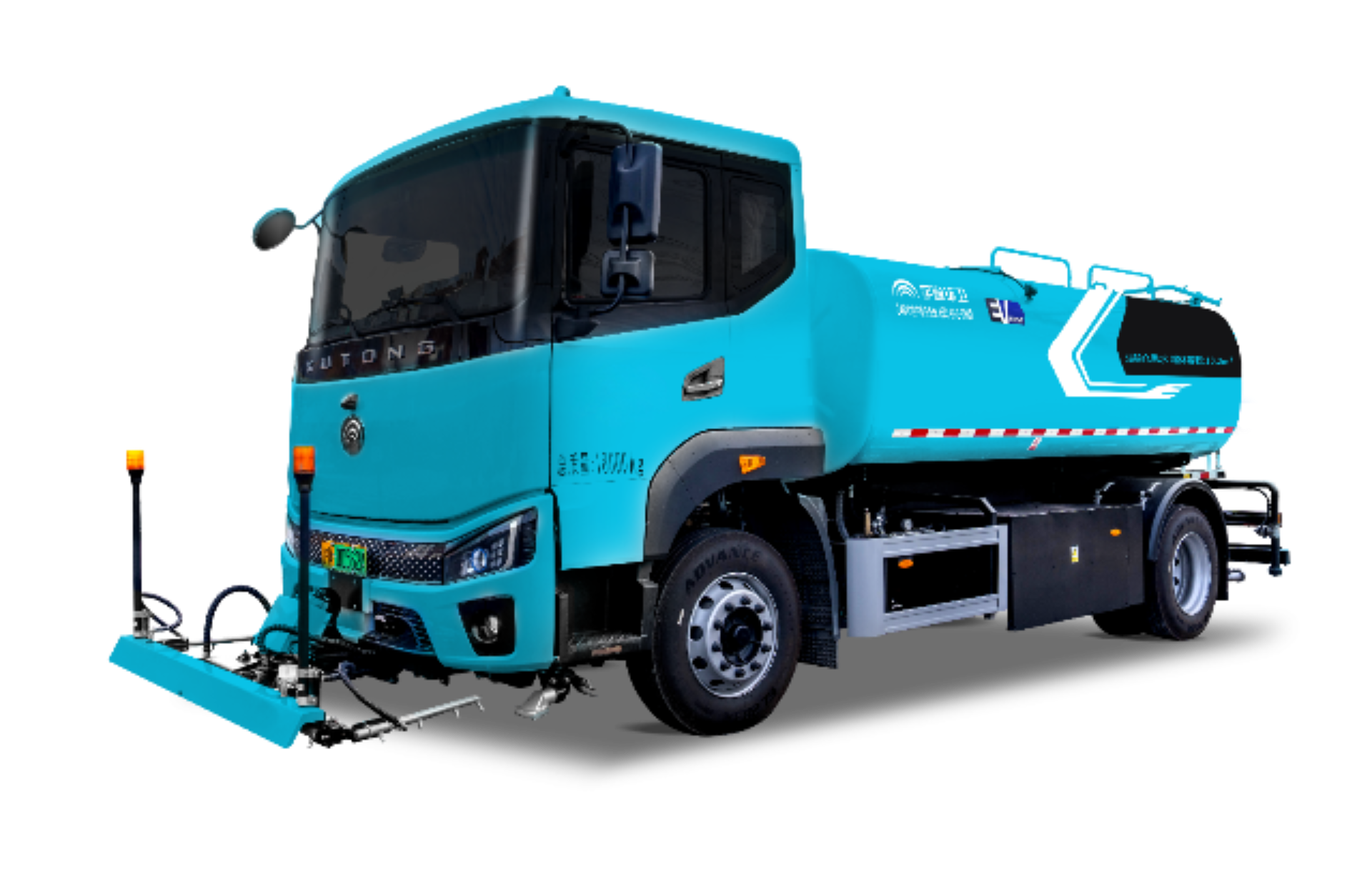
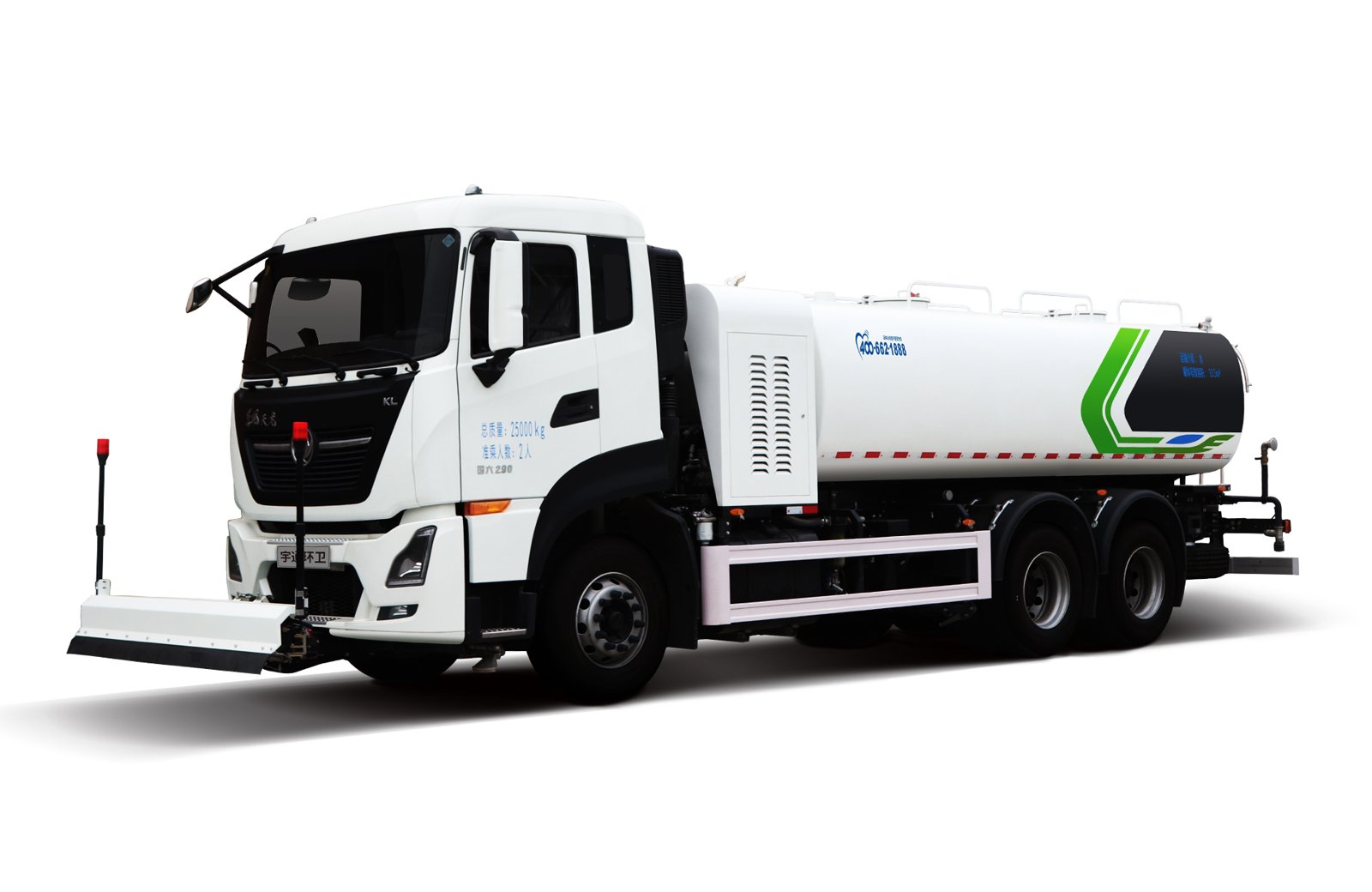
Guardrail cleaning vehicles are specialized sanitation trucks equipped with rotating brush assemblies and high-pressure water nozzles that automatically wash both sides of highway guardrails, median barriers, noise walls and tunnel parapets. Traditional manual guardrail cleaning is slow, dangerous and labor-intensive; a dedicated guardrail cleaning truck removes the need for workers on foot traffic lanes and completes the task at driving speed. Yutong guardrail cleaning configurations are built on proven high-pressure washer chassis (GQX series), with brush head height adjustable to cover barriers of varying profiles. The 12-ton and 18-ton electric models are well-suited for urban expressways and tunnels where low noise and zero emissions are required, while the 25-ton diesel model serves inter-city highways and toll roads. The brush system can be retracted for road driving and deployed in under a minute at the work site.
Guardrail Cleaning Vehicles Range
Why Choose Yutong Guardrail Cleaning Vehicles
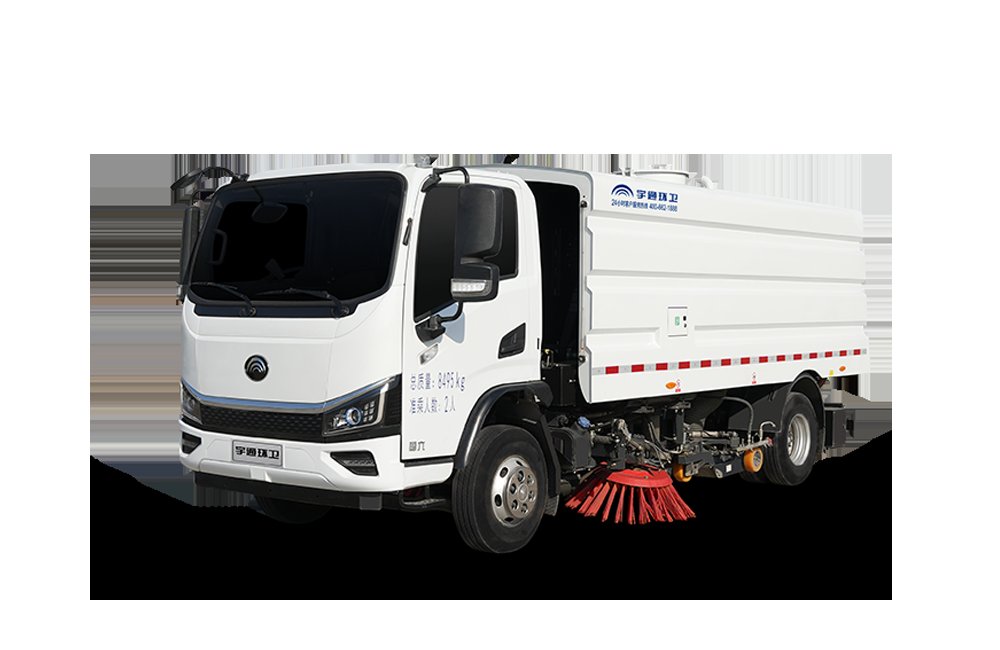
Guardrails and crash barriers collect road film, salt spray and insect residue that hand-washing cannot keep up with on a long highway. A dedicated guardrail cleaning vehicle (YTZ5080TXST0D6, YTZ5180TXST0D6) mounts a rotating brush module on an arm that reaches out from the truck, so as it drives slowly along the barrier, the brushes scrub both faces of the rail while a water jet wets the surface — all without the crew stepping into the traffic lane. That single-operator, drive-by operation is what turns a back-breaking manual job into a routine maintenance pass on highways, bridges and median barriers.
The spec that matters is the brush arm's reach and articulation, not the truck's engine. The arm must reach past the posts and reflectors to clean the rail face, and the brush must spin at a controlled rate so it scrubs the film without flinging water onto passing traffic. Because these vehicles work on live highways, stability, the brush's fold-away stow position, and warning-light packages are part of the safety spec.
Many guardrail cleaners double as light road washers, so the same truck also cleans the shoulder pavement — which is why a guardrail cleaner is often a cost-effective addition to a highway maintenance fleet rather than a single-purpose novelty. Yutong controls build quality under ISO 9001, with brush and arm testing before dispatch.
How to Choose the Right Guardrail Cleaning Vehicle
Match arm reach to the barrier layout
Measure how far the rail sits from the carriageway and whether there are posts, reflector plates and median cables in the way. The brush arm must reach past these to clean the rail face on both sides. Send the barrier type and offset before ordering so the arm length and brush head are matched.
Choose brush type for the film you are removing
Soft bristle suits painted and galvanised rails with light road film; stiffer bristle suits heavy salt and insect buildup on coastal and rural highways. Confirm the brush material against the rail coating so the machine cleans without scratching or polishing off the protective coating.
Spec the safety package for live-highway work
Because the truck works beside moving traffic, specify warning lights, fold-away brush stow, mirrors and a stable platform. Right-hand-drive and warning-light packages are available for export markets whose highway-work rules require them.
Common Applications
Highway and expressway barrier washing
Regular scrubbing of W-beam and box barriers on high-speed roads. Recommended: a guardrail cleaner with the right arm reach, run at low speed in a lane-closure pass.
Bridge parapet and median barrier cleaning
Parapets and median rails that build road film and salt. Recommended: a guardrail cleaner whose arm reaches the parapet face without the crew entering the lane.
Coastal and salt-spray road maintenance
Salt and brine residue eating at galvanised rails. Recommended: a guardrail cleaner with stiffer bristle and a regular washing schedule to slow corrosion.
Toll plaza and ramp barrier cleaning
Barriers around toll plazas and ramps that collect grime. Recommended: a guardrail cleaner that also light-washes the surrounding apron.
Park and scenic-road guardrail upkeep
Visually prominent rails on scenic and resort roads. Recommended: a guardrail cleaner with soft bristle to keep the rail bright without damaging the finish.
Export Compliance & After-Sales Support
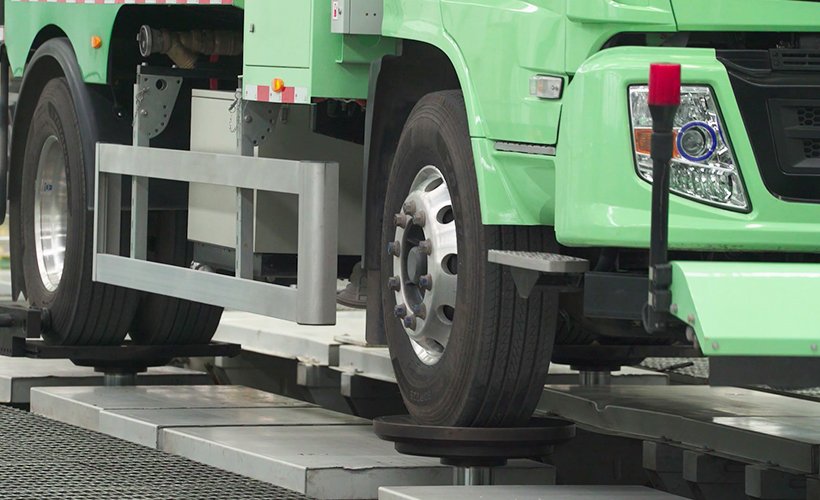
Guardrail cleaners are exported to the destination market's rules: diesel powertrains calibrate to Euro II or Euro V, and warning-light and right-hand-drive packages are available for markets whose highway-work rules require them. Each order goes out with factory certificate of conformity, packing list, commercial invoice and certificate of origin, plus brush and arm reach configuration details for the road authority.
Vehicles carry a 12-month or 20,000 km warranty, backed by ISO 9001 quality controls. Wear items — rotating brush modules, arm pivot bushes, water jets and hydraulic hoses — are supplied as spare-parts kits, and the export engineering team responds within 48 hours. Send your barrier type and offset to market@yutonggroup.com for a guardrail-cleaner quotation.
Frequently Asked Questions
How does a guardrail cleaning truck work?
A rotating brush module on an articulated arm reaches out to the barrier. As the truck drives slowly along the rail, the brushes scrub both faces while a water jet wets the surface, so one operator cleans the barrier without stepping into the traffic lane.
What arm reach do I need?
Measure how far the rail sits from the carriageway and whether posts, reflectors and median cables get in the way. The arm must reach past these to clean the rail face on both sides. Send the barrier type and offset and we will match the arm length and brush head.
Will the brushes scratch the rail coating?
Not if the bristle is matched to the film. Soft bristle suits painted and galvanised rails with light road film; stiffer bristle is for heavy salt and insect buildup. We select the brush material against the rail coating so it cleans without damaging the protective finish.
Can the truck also wash the road surface?
Many guardrail cleaners double as light road washers, so the same vehicle also cleans the shoulder and apron. That multi-use capability is why it is often a cost-effective addition to a highway maintenance fleet.
What safety features are required for live-highway work?
Specify warning lights, a fold-away brush stow position, good mirrors and a stable platform. Right-hand-drive and warning-light packages are available for export markets whose highway-work rules require them.
Which chassis brands do you build on?
Guardrail cleaner bodies mount on mainstream chassis such as Dongfeng, Sinotruk (Howo), Foton and JAC, so local technicians already know the cab and drivetrain. Tell us which chassis your service network supports.
What is the warranty and spare-parts support?
The standard warranty is 12 months or 20,000 km. Wear items such as rotating brush modules, arm pivot bushes, water jets and hydraulic hoses are supplied as kits, and technical queries are answered within 48 hours.