










All Sanitation Equipment
Sweepers
Sweeper-Scrubbers
Water Sprinklers
Garbage Compactors
Road Cleaners
Dust Suppression
Road Maintenance
Vacuum Sweepers
Guardrail Cleaning
About Sweeper Trucks
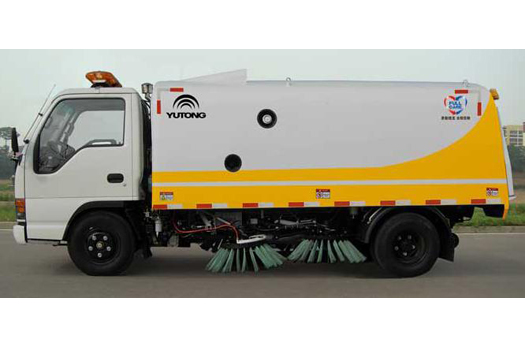
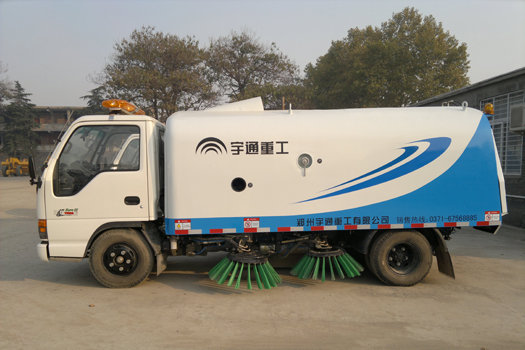
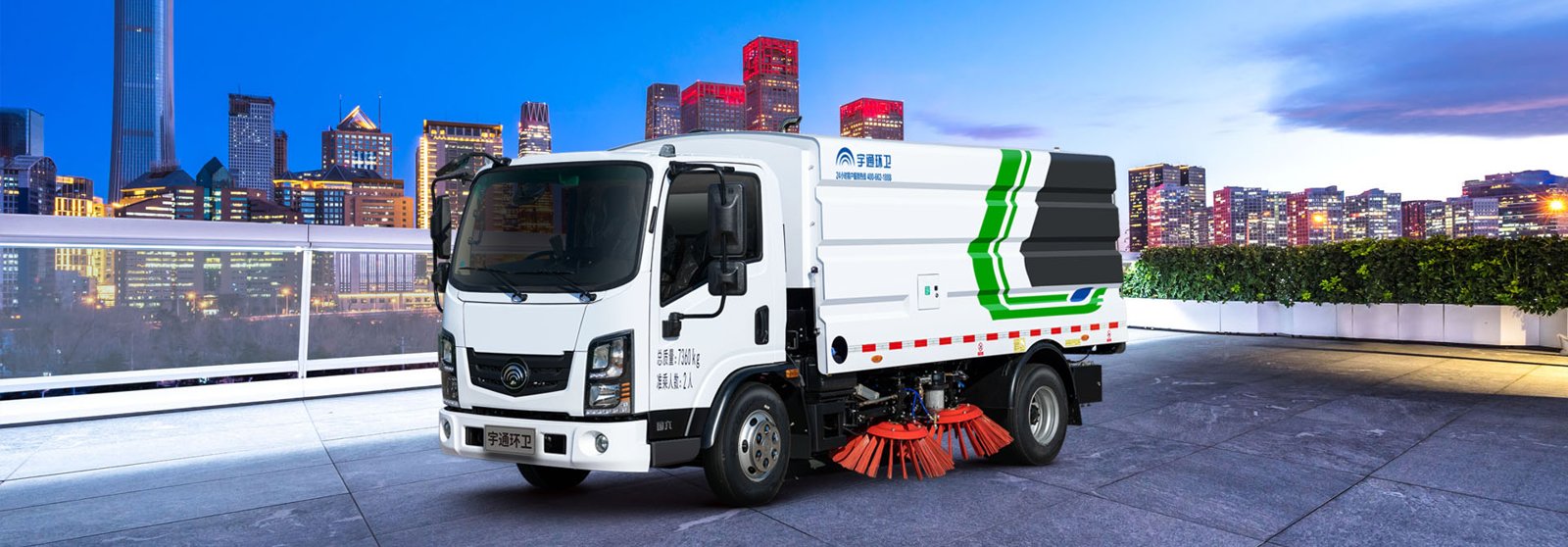
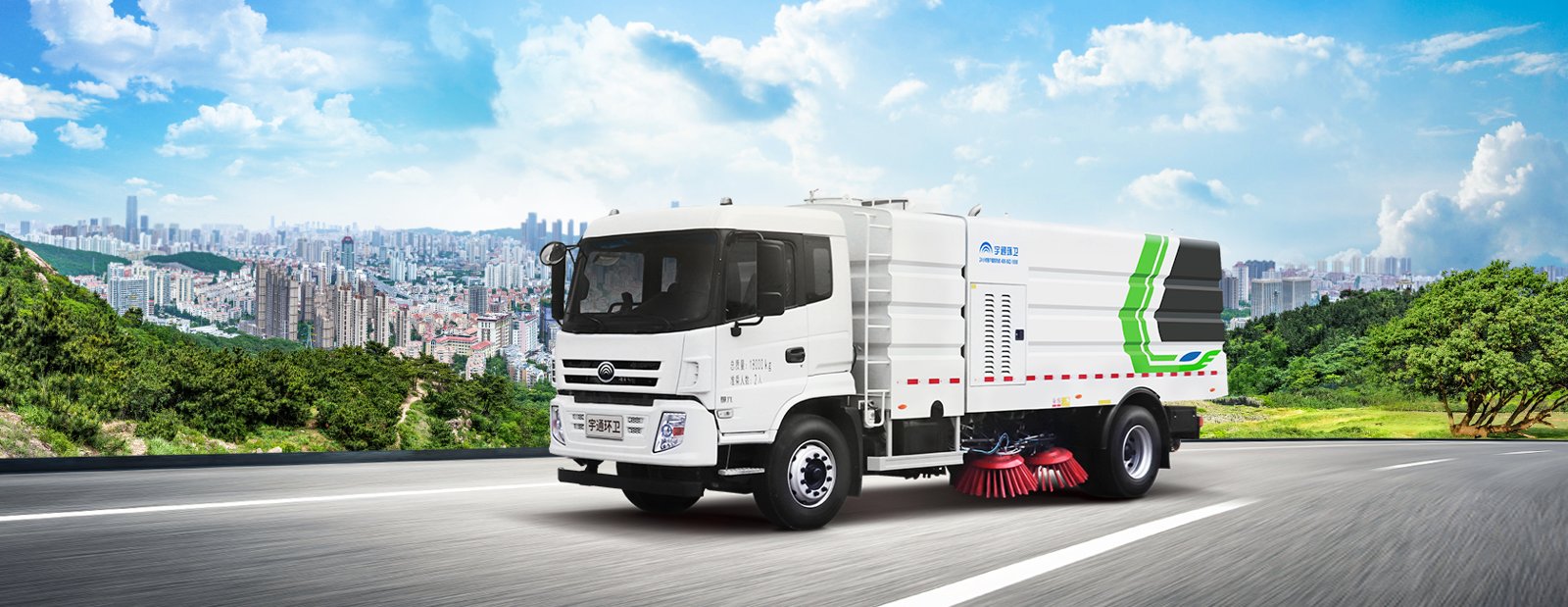
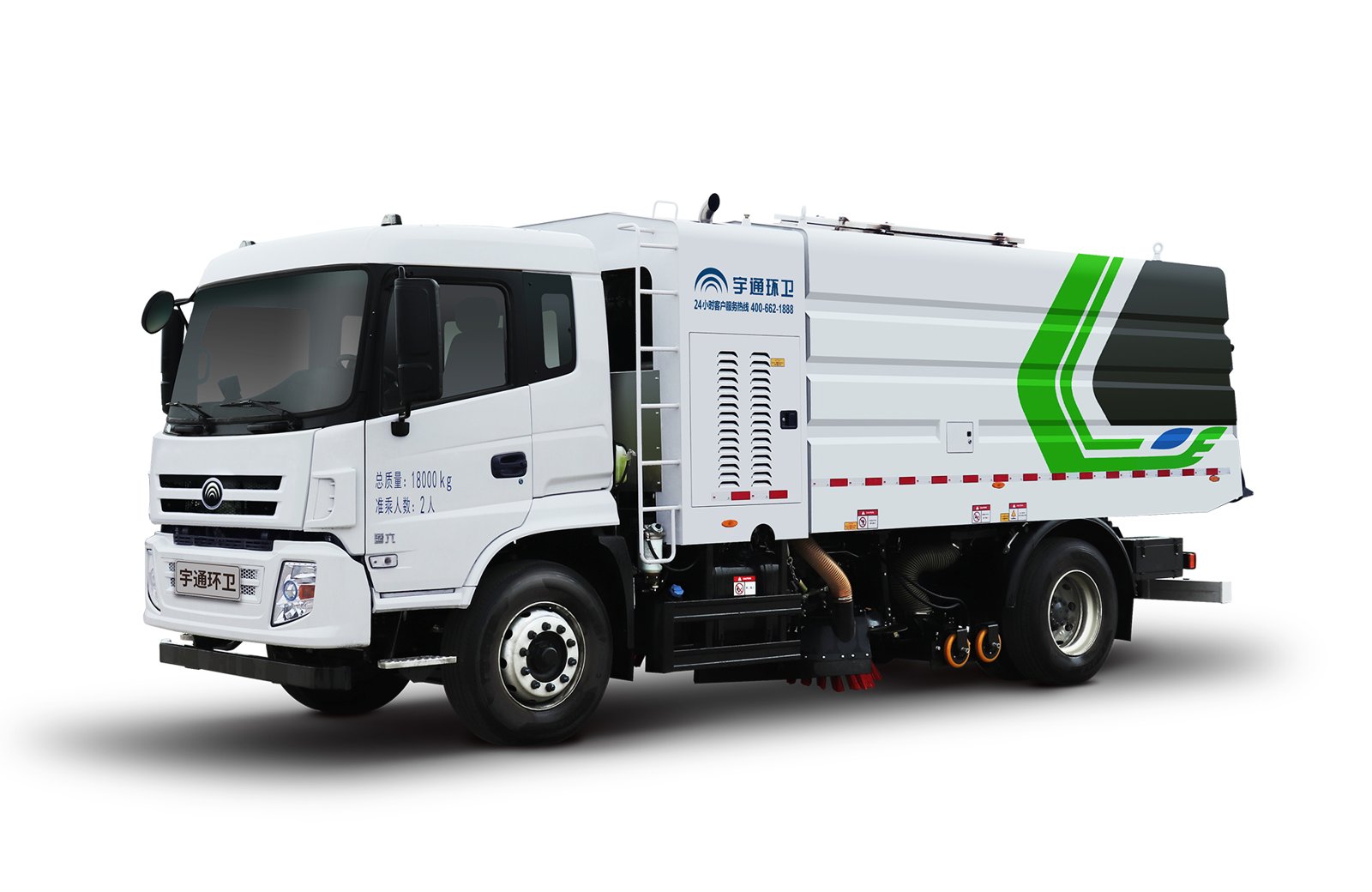
Yutong sweeper trucks are purpose-built municipal cleaning vehicles that combine mechanical broom sweeping with strong vacuum suction to collect dry debris, sand, leaves, litter and light dust from paved surfaces. The TSL series covers a broad weight range from compact 5-ton neighborhood units to heavy 18-ton arterial-road sweepers. Diesel-powered wet-sweep variants (TSLT0D6) offer long working endurance and large water tanks for continuous operations, while older E/F chassis models remain popular for cost-sensitive fleet procurement. All models feature low dust emission, intuitive single-seat operation and proven Yutong chassis reliability. When selecting a sweeper truck, buyers should match the tank capacity and broom configuration to road width, daily route length and debris type — Yutong's engineering team can recommend the optimal configuration for each application.
Sweeper Trucks Range
Why Choose Yutong Sweeper Trucks
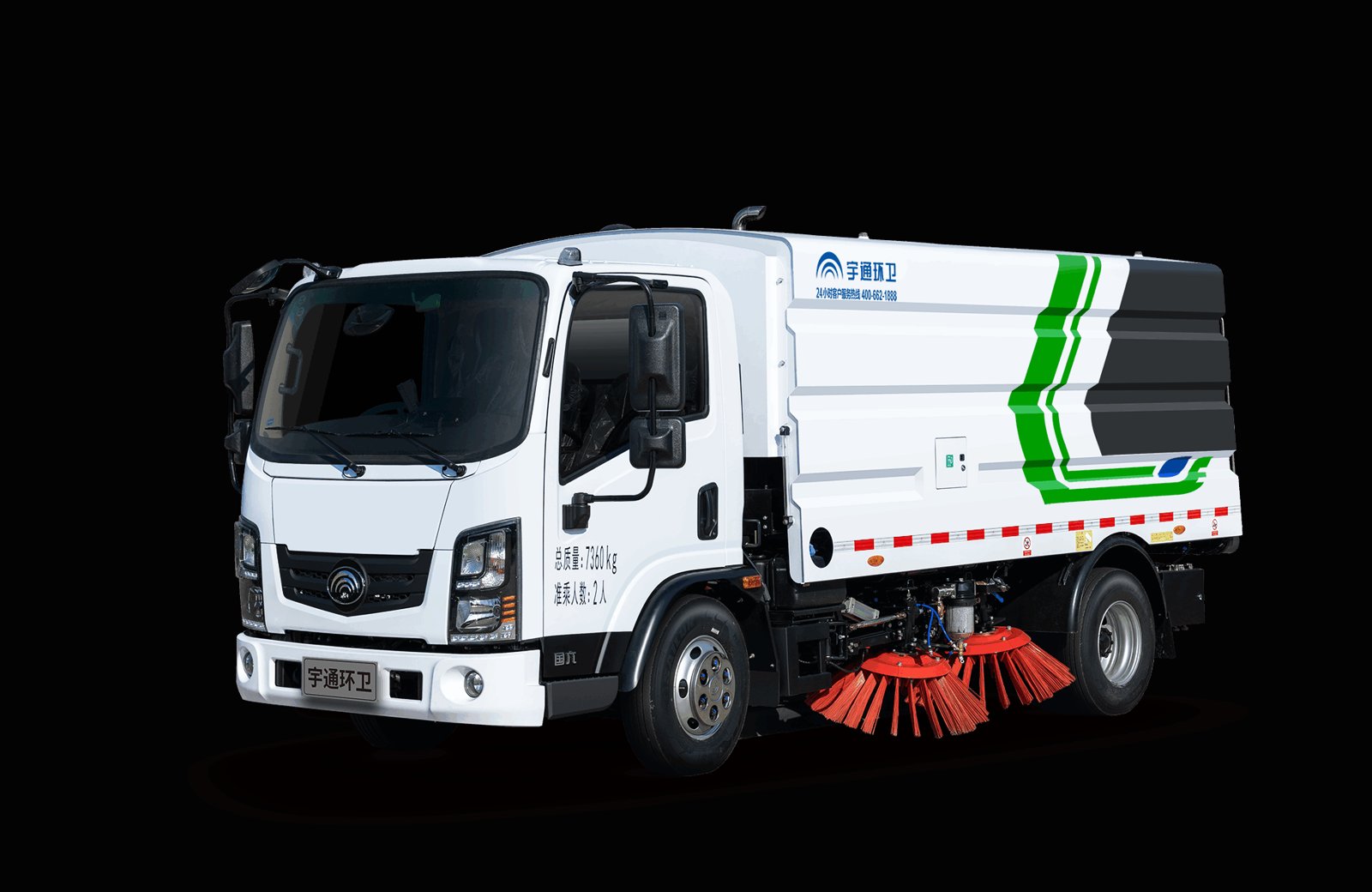
A sweeper truck's job is dry debris: sand, leaves, litter and light dust off paved surfaces, picked up by mechanical brooms and a vacuum suction deck rather than washed away. The Yutong TSL series covers the whole municipal band from compact 5–6-ton units (YTZ5050TSL70E, YTZ5060TSL70F) up to heavy 18-ton wet-sweep units (YTZ5180TSLT0D6, YTZ5182TSLT0D6) for main roads. The wet-sweep TSLT0D6 variants carry a water tank to dampen dust at the broom without turning the job into a wash, so the same machine keeps working through a full shift without raising a dust plume.
The difference between a sweeper and a sweeper-scrubber matters when you buy. A sweeper removes dry material and leaves the pavement surface mostly as it is; it does not scrub oil film or rubber marks off the asphalt. That keeps it simpler, cheaper per kilometre, and easier to maintain — fewer pumps, no reclaim circuit. For a city whose winter leaf-fall and street sand are the main workload, a sweeper is the right tool rather than a more expensive combined machine.
Yutong mounts the sweeping deck on mainstream commercial chassis, so local technicians already know the cab and drivetrain, and ISO 9001 controls cover broom alignment, suction testing and pre-delivery inspection.
How to Choose the Right Sweeper Truck
Match vehicle class to road width and turning room
A 5–6-ton sweeper has a tight turning radius and narrow body that enters residential alleys, wet markets and campus roads. Use it for daily litter and leaf pickup on streets under about 8 m wide. Move to the 18-ton TSLT0D6 class for secondary and arterial roads 10–20 m wide, where a larger hopper cuts the number of trips back to the disposal point.
Choose wet-sweep or dry-sweep for your climate
Wet-sweep TSLT0D6 units add a water spray at the broom to suppress dust, which is essential in dry, windy climates and on construction approaches. A basic dry sweeper suits damp or coastal areas where dust is not the main complaint. In wet weather, keep the water spray low so the machine does not over-apply water.
Size the hopper to debris volume per shift
A 5–6-ton sweeper carries a small debris hopper that suits a neighbourhood loop emptied twice a shift. An 18-ton unit carries a larger hopper, so a crew can cover a long arterial route before returning to tip. Match hopper size to route length and the distance to the disposal point, not to the truck's headline weight.
Common Applications
Residential and alley litter pickup
Narrow streets and old-town alleys. Recommended class: 5–6-ton sweepers (YTZ5050TSL70E, YTZ5060TSL70F) with tight turning radius.
Arterial and main-road sand and leaf removal
Main roads after winter sanding and autumn leaf fall. Recommended class: 18-ton wet-sweep units (YTZ5180TSLT0D6, YTZ5182TSLT0D6) for long routes with a large hopper.
Industrial park and factory yard sweeping
Yards with fine sand and packaging debris. Recommended: a wet-sweep unit to keep dust down around loading bays and product areas.
Campus, plaza and parking-lot maintenance
Pedestrian and paved areas with light litter. Recommended: compact 5–6-ton sweepers that manoeuvre among parked cars and bollards.
Construction approach and site gate cleanup
Wheel-wash run-off and tracked mud at site gates. Recommended: wet-sweep units that dampen dust on abrasive construction sand without a full wash cycle.
Export Compliance & After-Sales Support
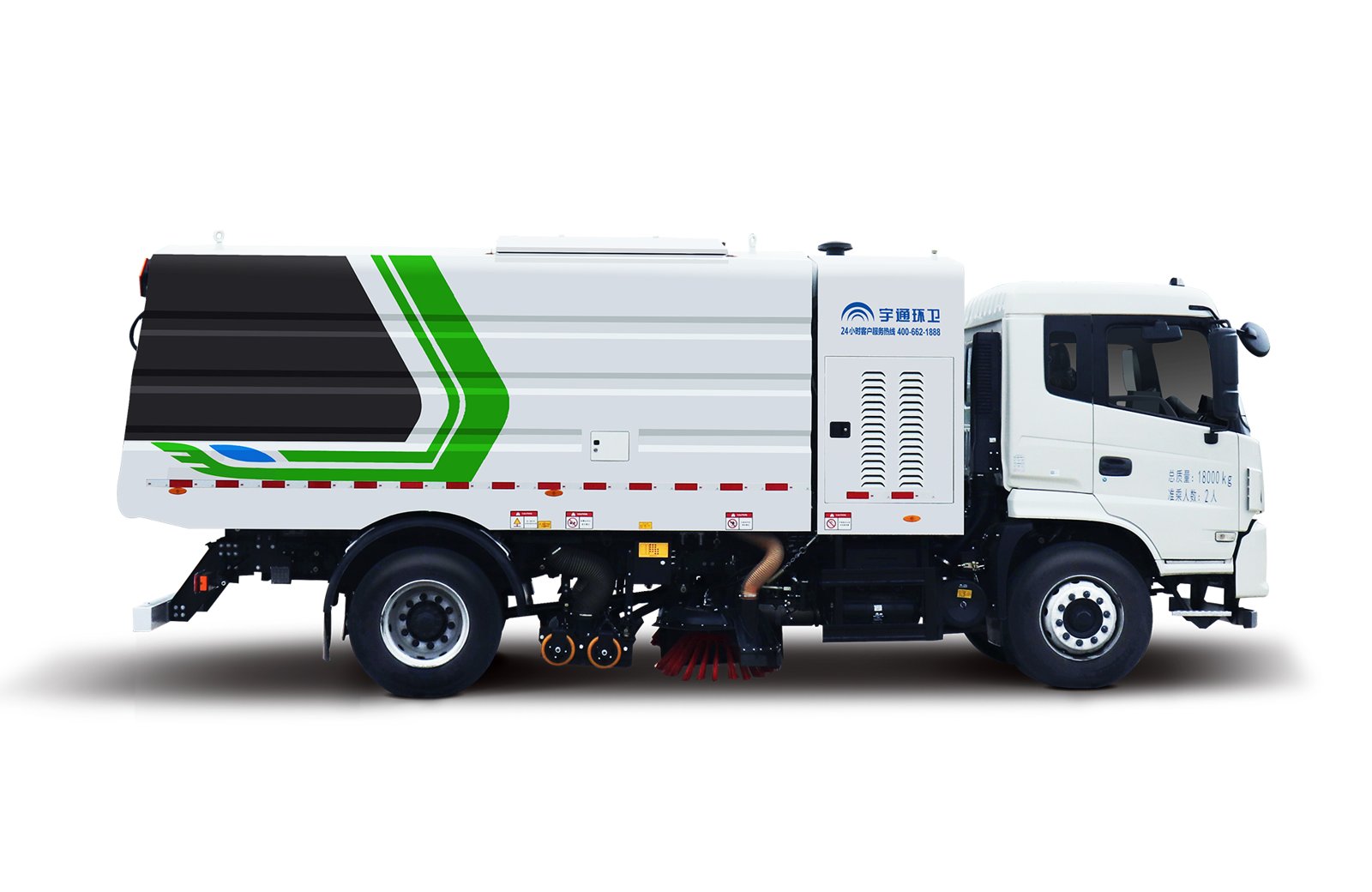
Sweepers are exported to the destination market's rules: diesel powertrains calibrate to Euro II or Euro V, and right-hand-drive conversions are available for the UK, Australia, Southeast Asia and parts of Africa. Each order goes out with factory certificate of conformity, packing list, commercial invoice and certificate of origin, plus the sweeping-deck test report your municipal tender expects.
Trucks carry a 12-month or 20,000 km warranty, backed by ISO 9001 quality controls. Wear items — broom skirts, suction filters and water-spray nozzles — are supplied as spare-parts kits, and the export engineering team responds within 48 hours. Send your road width, route length and climate to market@yutonggroup.com for a sweeper quotation.
Frequently Asked Questions
What is the difference between a sweeper and a sweeper-scrubber?
A sweeper uses mechanical brooms and vacuum suction to pick up dry dust, leaves and litter. A sweeper-scrubber adds a high-pressure water spray and reclaim suction to remove wet stains, oil and rubber film. Choose a sweeper for dry debris; choose a sweeper-scrubber where the pavement must be left visibly clean.
Should I choose a dry or wet-sweep sweeper?
Choose a wet-sweep TSLT0D6 unit in dry, windy climates and around construction approaches where dust rises at the broom. A basic dry sweeper suits damp or coastal areas where dust is not the main complaint and you want simpler maintenance.
Which size sweeper fits my roads?
A 5–6-ton sweeper (YTZ5050TSL70E, YTZ5060TSL70F) has the turning radius and width for residential alleys under about 8 m. Move to an 18-ton TSLT0D6 unit for 10–20 m secondary and arterial roads where a larger hopper cuts disposal trips.
Can a sweeper remove oil stains from the pavement?
No. A sweeper removes loose dry material but does not scrub oil film, rubber marks or embedded stains. For those, specify a washer truck or a sweeper-scrubber with high-pressure spray.
What chassis brands do you build on?
Sweeping decks are mounted on mainstream commercial truck platforms, commonly Dongfeng, Sinotruk (Howo), Foton and JAC, so local technicians already know the cab and drivetrain. Right-hand-drive variants are available for relevant markets.
What is the export lead time?
Standard catalog models are usually ready within 15–30 working days after deposit. Customised builds — right-hand drive, modified hopper or tank, Euro calibration — typically take 35–50 working days, plus sea freight depending on the port.
What is the warranty and spare-parts support?
The standard warranty is 12 months or 20,000 km. Wear items such as broom skirts, suction filters and water-spray nozzles are supplied as spare-parts kits, and technical queries are answered within 48 hours.