










All Sanitation Equipment
Sweepers
Sweeper-Scrubbers
Water Sprinklers
Garbage Compactors
Road Cleaners
Dust Suppression
Road Maintenance
Vacuum Sweepers
Guardrail Cleaning
About Vacuum / Dry Sweeper Trucks
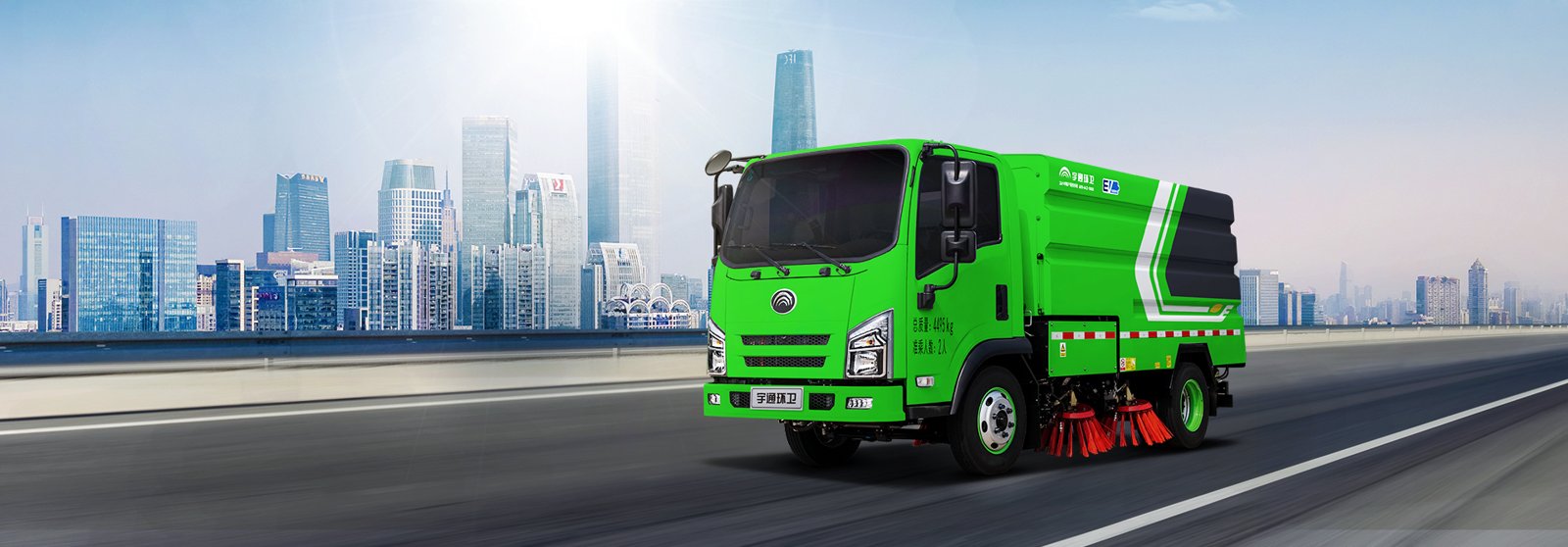
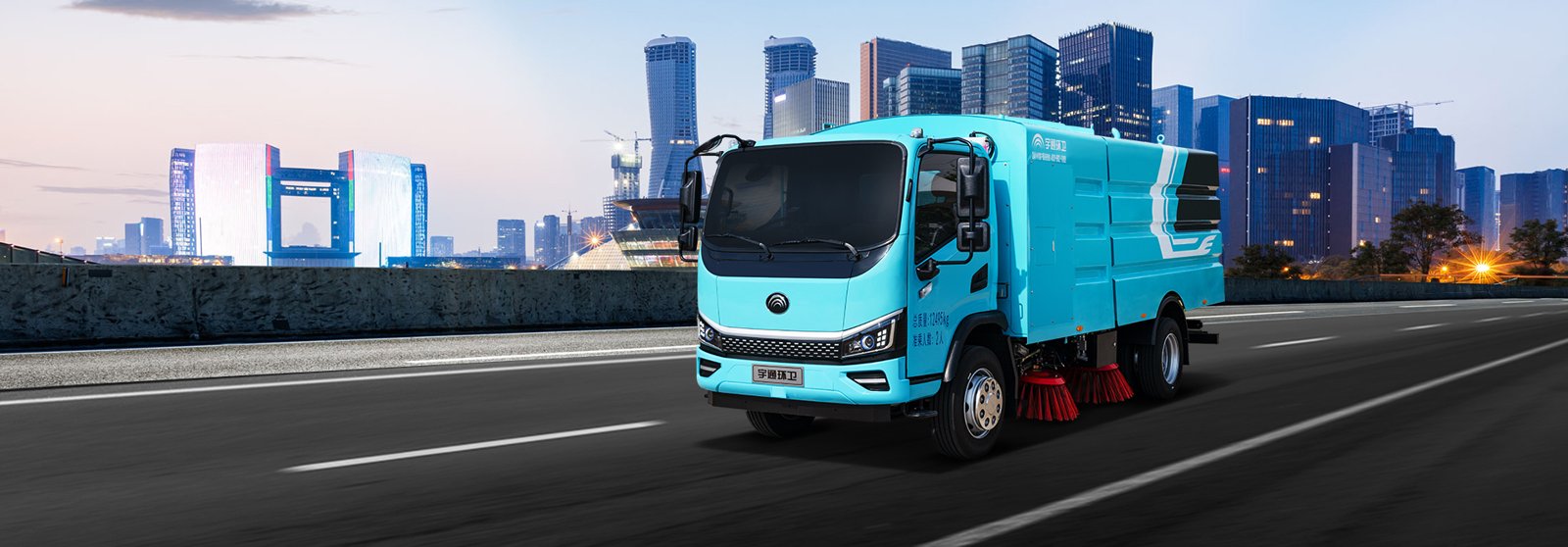
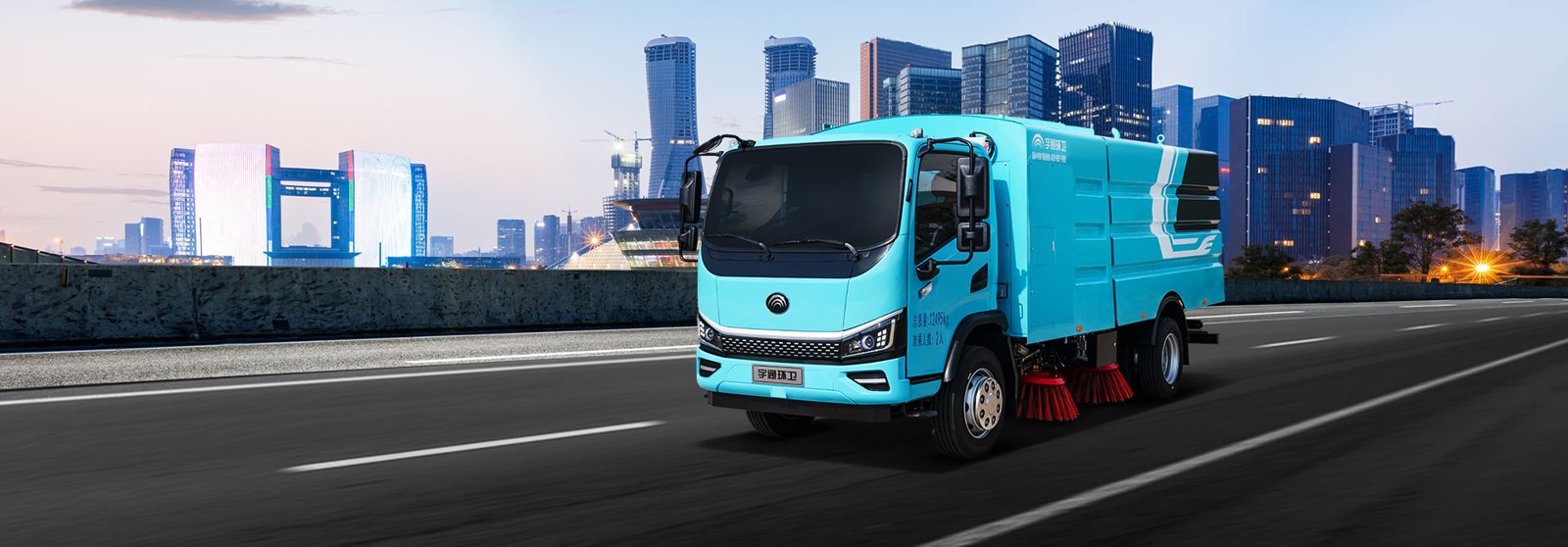
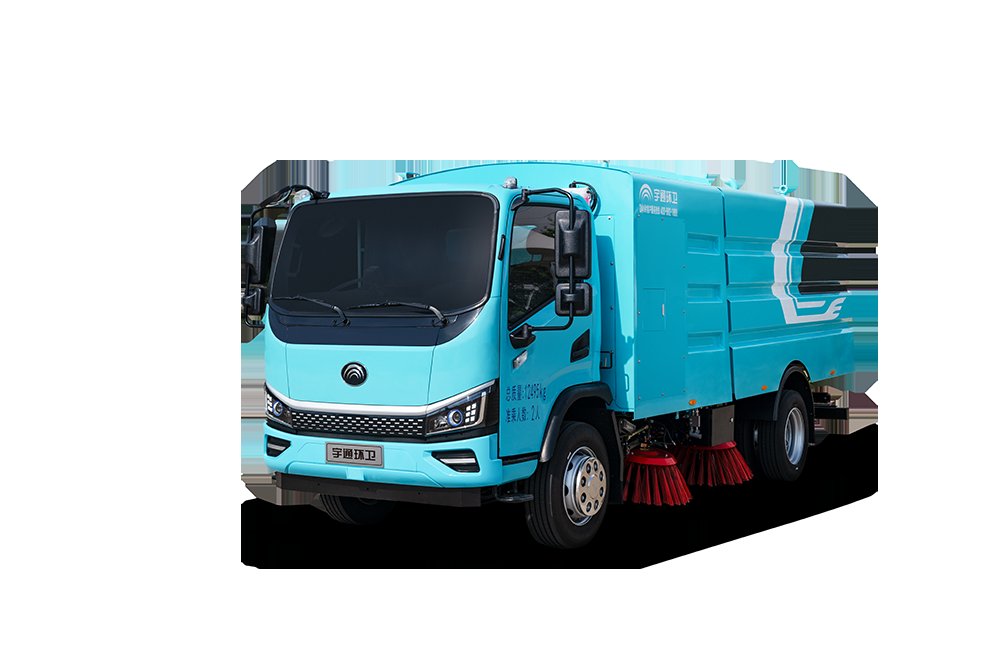
Vacuum sweeper trucks are dry-type cleaning vehicles that use high-strength suction — rather than water spray or mechanical brooms — to lift fine dust, sand and dry debris from pavement. This makes them ideal for dust-sensitive environments where water usage is restricted or impractical: underground parking garages, indoor logistics halls, food-processing facilities, pharmaceutical plants, and urban streets in cold climates where freezing limits wet cleaning. The TSLD series is fully battery-electric, delivering zero local emissions and ultra-low noise. The 4-ton YTZ5041TSLD0BEV is compact enough for indoor and narrow-aisle operation, while the 12-ton YTZ5122TSLD0BEV/D1BEV models provide industrial-grade suction power for open yards and roadways. Because dry sweepers eliminate water consumption, they reduce operating costs in water-scarce regions and avoid wet-slurry disposal issues.
Vacuum / Dry Sweeper Trucks Range
Why Choose Yutong Vacuum Sweeper Trucks
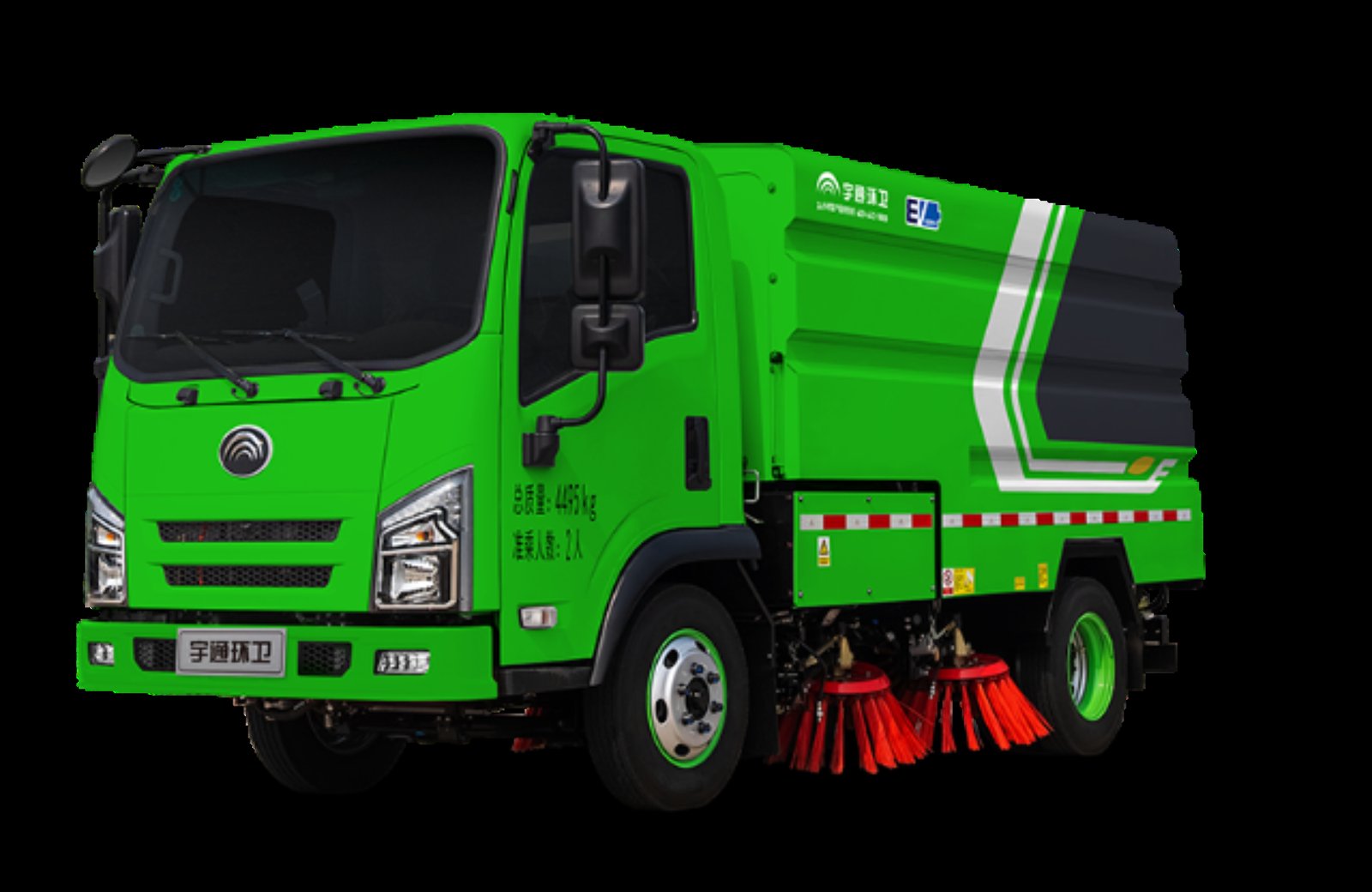
A vacuum sweeper does not rely on mechanical brooms at all. It uses a high-power suction fan and a wide nozzle deck to pull dust, sand and fine grit off the pavement in a near-dry state, capturing the material in a filtered hopper. That makes it the right tool where raised dust must be avoided at all — tunnel interiors, warehouse aprons, food and chemical factory yards, hospital forecourts and any location where a broom sweeper would kick up a visible plume. The Yutong TSLD series (YTZ5041TSLD0BEV, YTZ5122TSLD0BEV, YTZ5122TSLD1BEV) runs on pure-electric power, which pairs naturally with the low-dust, low-noise, low-emission environments it serves.
The difference from a wet sweeper is the absence of water. A wet sweeper dampens dust at the broom; a vacuum sweeper captures it dry through filtration, so it leaves no damp film on sensitive floors and works where wet cleaning is unsuitable — indoors or under cover, on epoxy and sealed factory floors, and in tunnels where pooling water would be a hazard. The filter hopper is the heart of the machine, and its cleaning and emptying cycle decides uptime.
Because the suction fan and filters are the critical wear points, Yutong specs them for continuous duty and controls build quality under ISO 9001, with suction and filter-efficiency testing before dispatch.
How to Choose the Right Vacuum Sweeper
Match suction power and filter to the dust type
Fine talcum-like factory dust needs a high-efficiency filter and strong suction; coarse sand and grit need a wide, robust nozzle deck. Match the filter class and suction rating to the material — a filter that passes fine dust defeats the point of a vacuum sweeper in a clean-environment contract.
Choose class for the space and turning room
A compact 4-ton unit (YTZ5041TSLD0BEV) suits warehouse aisles, bays and tight forecourts. A 12-ton unit (YTZ5122TSLD0BEV, YTZ5122TSLD1BEV) covers wider external aprons and access roads. Choose by the width and turning room of the paved area, not by brand preference.
Confirm electric drive suits the sensitive site
The TSLD series is pure-electric, which is exactly what dust-sensitive, emission-sensitive sites require: no exhaust, low noise, and no wet discharge. For outdoor public roads where raised dust is acceptable and water helps, a conventional wet sweeper may be more economical — choose the vacuum machine for the sensitive environments it is built for.
Common Applications
Tunnel and underpass interior cleaning
Enclosed spaces where a wet broom would pool water and raise dust. Recommended: electric vacuum sweepers that capture dry dust without exhaust.
Factory, warehouse and logistics yard aprons
Sealed floors and yards where dust must stay inside the building envelope. Recommended: compact electric vacuum sweepers (YTZ5041TSLD0BEV) for aisles and 12-ton units for external yards.
Food, pharmaceutical and chemical plant yards
Clean-production environments where any dust plume is a contamination risk. Recommended: filtered vacuum sweepers with the correct filter class for the process dust.
Hospital and institutional forecourts
Quiet, low-dust approach areas around sensitive buildings. Recommended: electric vacuum sweepers that run without noise or exhaust near patients.
Aircraft apron and paved hardstand cleaning
Paved hardstands where fine grit must be captured without water. Recommended: 12-ton electric vacuum sweepers for apron and taxi-edge cleaning.
Export Compliance & After-Sales Support
Vacuum sweepers are exported to the destination market's rules: electric units ship with battery, charging and operator-manual documentation localized to the buyer's grid and language. Each order goes out with factory certificate of conformity, packing list, commercial invoice and certificate of origin, plus filter-efficiency and suction test reports where a clean-environment tender requires them.
Vehicles carry a 12-month or 20,000 km warranty, backed by ISO 9001 quality controls. Wear items — suction filters, fan seals, nozzle skirts and filter-cleaning valves — are supplied as spare-parts kits, and the export engineering team responds within 48 hours. Send the dust type and paved area dimensions to market@yutonggroup.com for a vacuum-sweeper quotation.
Frequently Asked Questions
What is the difference between a vacuum sweeper and a conventional sweeper?
A conventional sweeper uses mechanical brooms and often water to pick up debris, which can raise dust. A vacuum sweeper uses a suction fan and filtered hopper to capture dry dust and grit without brooms or water, so it avoids any dust plume and leaves no damp film on the surface.
Where should I use a vacuum sweeper?
Where raised dust is unacceptable: tunnels, warehouse aisles, food and chemical factory yards, hospital forecourts and paved hardstands. For ordinary public roads where dust is acceptable, a conventional wet sweeper is usually more economical.
Why are vacuum sweepers electric?
They typically serve dust- and emission-sensitive sites, so a pure-electric powertrain adds zero local exhaust and low noise on top of the machine's low-dust operation. That combination is the reason vacuum sweepers work indoors-adjacent and in clean-production environments.
How important is the filter class?
Very. A filter that passes fine dust defeats the point of the machine in a clean-environment contract. Match the filter efficiency to the process dust — fine factory dust needs a high-efficiency filter; coarse sand only needs a robust hopper and wide nozzle deck.
Which size fits warehouse aisles vs external yards?
A compact 4-ton unit (YTZ5041TSLD0BEV) suits warehouse aisles, bays and tight forecourts. A 12-ton unit (YTZ5122TSLD0BEV, YTZ5122TSLD1BEV) covers wider external aprons and access roads.
Does a vacuum sweeper use water?
No, that is the point. It captures dust dry through filtration, which is why it works indoors, on sealed factory floors and in tunnels where pooling water would be a hazard.
What is the warranty and spare-parts support?
The standard warranty is 12 months or 20,000 km. Wear items such as suction filters, fan seals, nozzle skirts and filter-cleaning valves are supplied as kits, and technical queries are answered within 48 hours.