










All Sanitation Equipment
Sweepers
Sweeper-Scrubbers
Water Sprinklers
Garbage Compactors
Road Cleaners
Dust Suppression
Road Maintenance
Vacuum Sweepers
Guardrail Cleaning
About Road Maintenance Vehicles
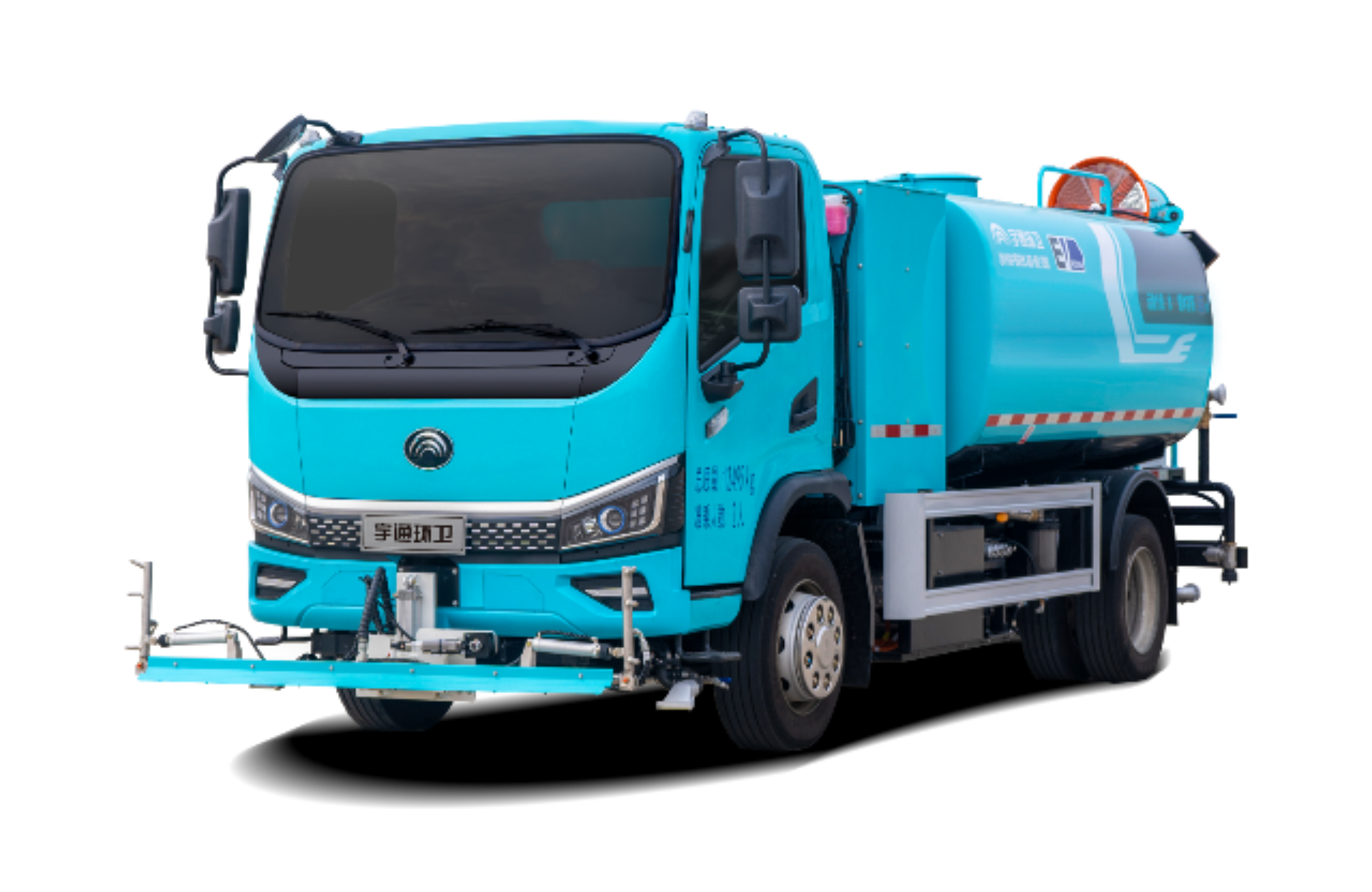
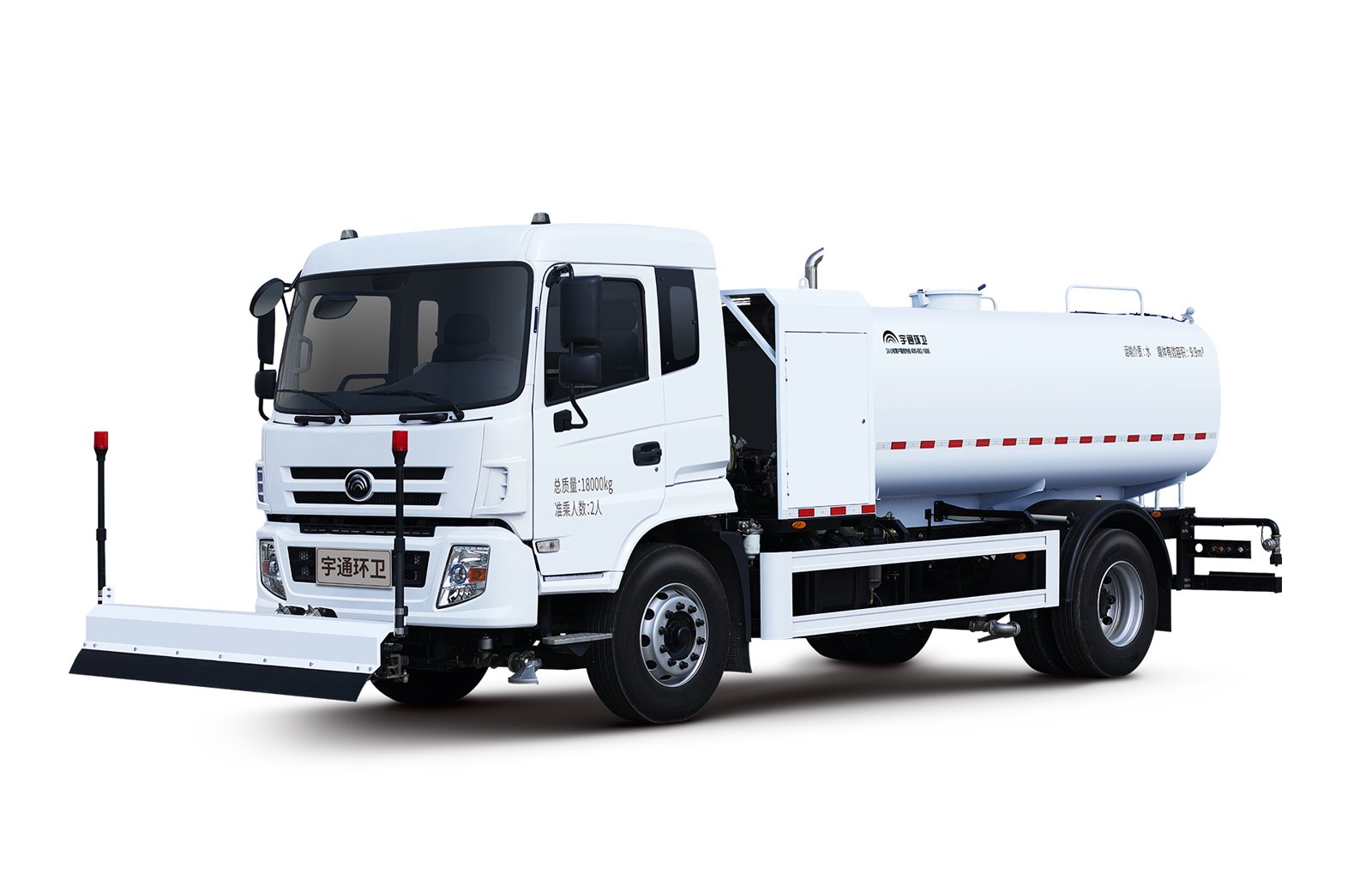
Road maintenance vehicles are multi-purpose support trucks designed to accompany municipal pavement repair crews. They combine high-pressure water washing for cleaning cracks and joints before sealing, debris vacuuming, and on-board water and tool storage — all on a single maneuverable chassis. Yutong road maintenance configurations are built on proven GQX washer chassis, ranging from compact 6-ton electric units suitable for narrow urban streets to 18-ton diesel units for broader arterial-road maintenance. These vehicles are essential for preventive maintenance programs: cleaning before crack sealing, removing marking ghosts before re-striping, and washing away slurry after patching. Fleet managers typically pair a road maintenance vehicle with a patching crew to ensure the prep and cleaning steps are completed efficiently in one visit.
Road Maintenance Vehicles Range
Why Choose Yutong Road Maintenance Vehicles
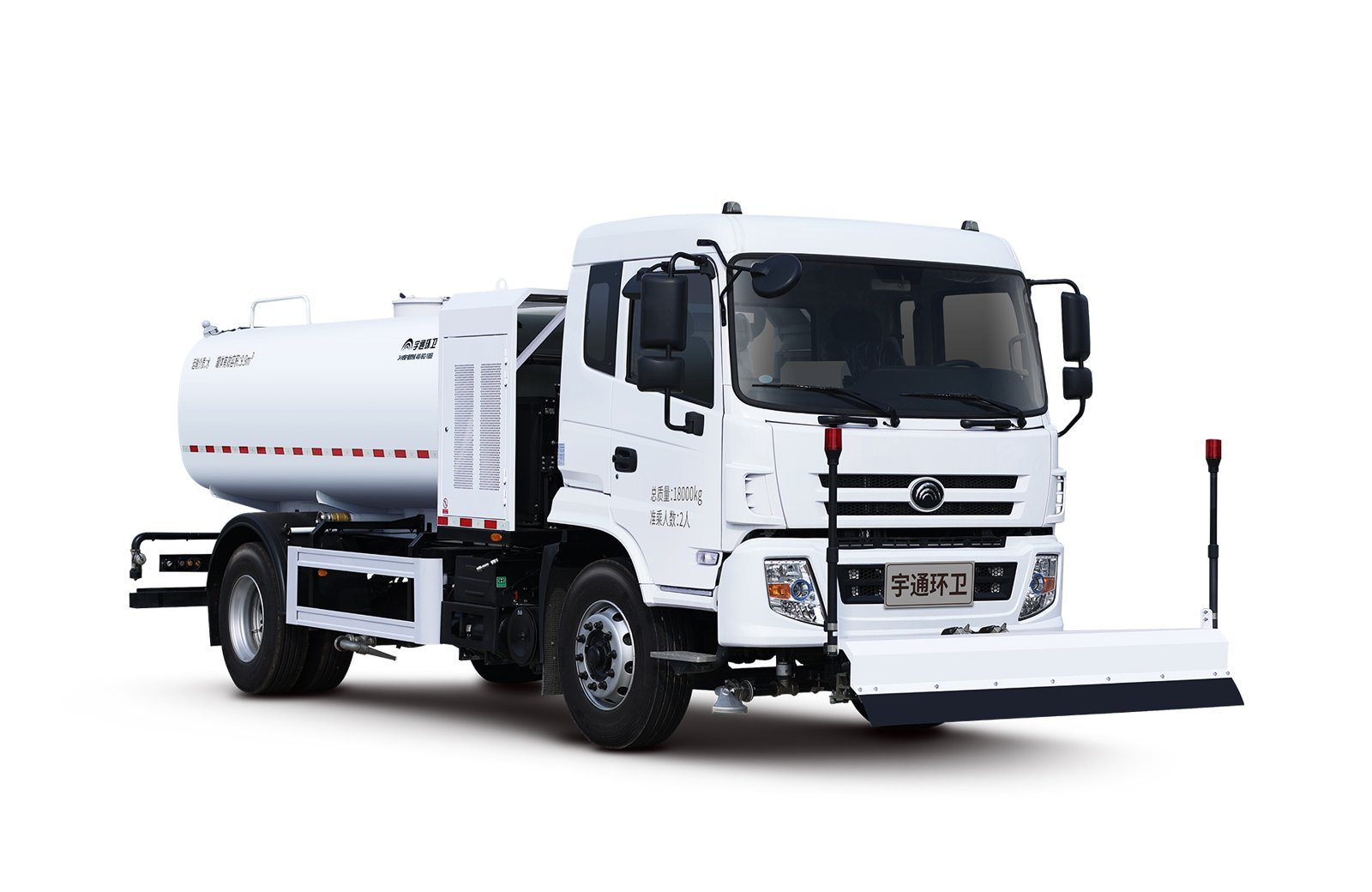
Road maintenance work is patchwork: a small team must move between pot holes, cracked sealant, faded markings and blocked gullies, carrying tools, hot or cold patching material, water and the bits of hardware each job needs. A purpose-built road maintenance vehicle (YTZ5180GQXT1D6, YTZ5180TXST0D6) is a mobile workshop and service truck, not a single-function sweeper or washer. It carries the patching tank or hot box, the hand tools, a small water supply for dust control during patching, and storage for reflective signs and barrier hardware, so one truck reaches the site, prepares it, patches it and leaves safely without a second support vehicle.
The value is in combining cleaning and repair on one chassis. A maintenance truck often doubles as a light washer to clean the patch area before repair — a clean, dry edge is what makes a pot hole patch last — and can carry a small hot-applied crack-sealing setup. That integration matters on a municipal winter-spring patching programme, where crews are spread thin and every minute on the roadside is an exposure risk to traffic.
Because the truck carries both tools and fluids, storage layout and side-access lockers are as important as the body, and Yutong controls build quality under ISO 9001, with locker, pump and patching-equipment testing before dispatch.
How to Choose the Right Road Maintenance Vehicle
Match the body to your main repair task
If most work is pot-hole patching, specify a hot-box or patching material body with heating and agitation. If most work is crack sealing and joint repair, prioritise the crack-sealing kettle and hose reel. If the job is mainly clearing and cleaning before repair, a light washer-plus-storage body fits. Decide the dominant task before you add accessories.
Size the water and tool storage to the crew's loop
A maintenance crew moves between many small sites in a shift. Size the water tank so it cleans several patch areas before refill, and the side lockers so reflective signs, cones and hand tools travel without shifting. A truck that requires a separate support vehicle for tools loses its whole reason to exist.
Choose chassis class for roadside safety and access
Maintenance trucks work close to moving traffic, so visibility, mirrors and a stable platform matter. A mid-size chassis balances access to narrow residential streets with the load of patching gear. Right-hand-drive and warning-light packages are available for export markets where roadside work rules require them.
Common Applications
Pot-hole and pavement patching programmes
Seasonal pot-hole repair after winter. Recommended: a maintenance vehicle with a heated patching body and on-board washing to clean the patch edge.
Crack sealing and joint repair
Sealing longitudinal and transverse cracks before water enters the base. Recommended: a vehicle with a crack-sealing kettle, hose reel and surface-cleaning water supply.
Gully, drain and verge clearing
Clearing blocked gullies and verges before rain. Recommended: a maintenance vehicle with tool storage and a light water supply for cleanup.
Roadside hardware and sign maintenance
Carrying and fitting reflective signs, posts and barrier parts. Recommended: a vehicle with deep side lockers for hardware and a stable working platform.
Event and emergency road repair support
Rapid response to small surface defects during events or after storms. Recommended: a self-contained maintenance vehicle that reaches the site and patches it without waiting for a support truck.
Export Compliance & After-Sales Support
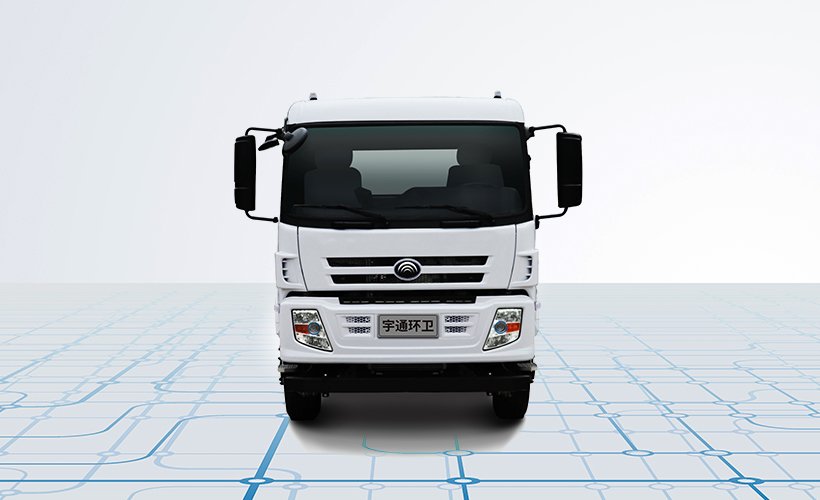
Road maintenance vehicles are exported to the destination market's rules: diesel powertrains calibrate to Euro II or Euro V, and warning-light and right-hand-drive packages are available for markets that require them. Each order goes out with factory certificate of conformity, packing list, commercial invoice and certificate of origin, plus the patching-body and locker configuration list your road authority expects.
Vehicles carry a 12-month or 20,000 km warranty, backed by ISO 9001 quality controls. Wear items — heater burners, pump seals, hinge locks and locker struts — are supplied as spare-parts kits, and the export engineering team responds within 48 hours. Send your main repair task and crew loop to market@yutonggroup.com for a maintenance-vehicle quotation.
Frequently Asked Questions
What is the difference between a road maintenance vehicle and a sweeper?
A sweeper only cleans debris off the surface. A road maintenance vehicle is a mobile workshop: it carries patching material, tools, a water supply and hardware to actually repair the pavement — pot holes, cracks and gullies — often using a light washer to prepare the patch.
How do I choose between a patching body and a crack-sealing body?
If most work is pot-hole patching, specify a heated hot-box with agitation. If most work is crack sealing, prioritise the crack-sealing kettle and hose reel. Decide the dominant task before adding accessories, because one truck cannot carry every option at full size.
Why does the truck need on-board water for patching?
A clean, dry patch edge is what makes a pot-hole repair last. The on-board water supply lets the crew clean and prepare the area before applying material, instead of leaving a dirty edge that fails within weeks.
What storage should a maintenance truck have?
Side-access lockers for reflective signs, cones, hand tools and hardware, sized so nothing shifts on the move. A truck that requires a separate support vehicle to carry tools loses its purpose, so storage layout is part of the spec.
Are warning lights and right-hand drive available?
Yes. Warning-light packages and right-hand-drive variants are available for export markets whose roadside-work rules require them, with the conversion and equipment documentation included in the export file.
What chassis brands do you build on?
Maintenance bodies mount on mainstream commercial chassis such as Dongfeng, Sinotruk (Howo), Foton and JAC, so local technicians already know the cab and drivetrain. Tell us which chassis your service network supports.
What is the warranty and spare-parts support?
The standard warranty is 12 months or 20,000 km. Wear items such as heater burners, pump seals, hinge locks and locker struts are supplied as kits, and technical queries are answered within 48 hours.