










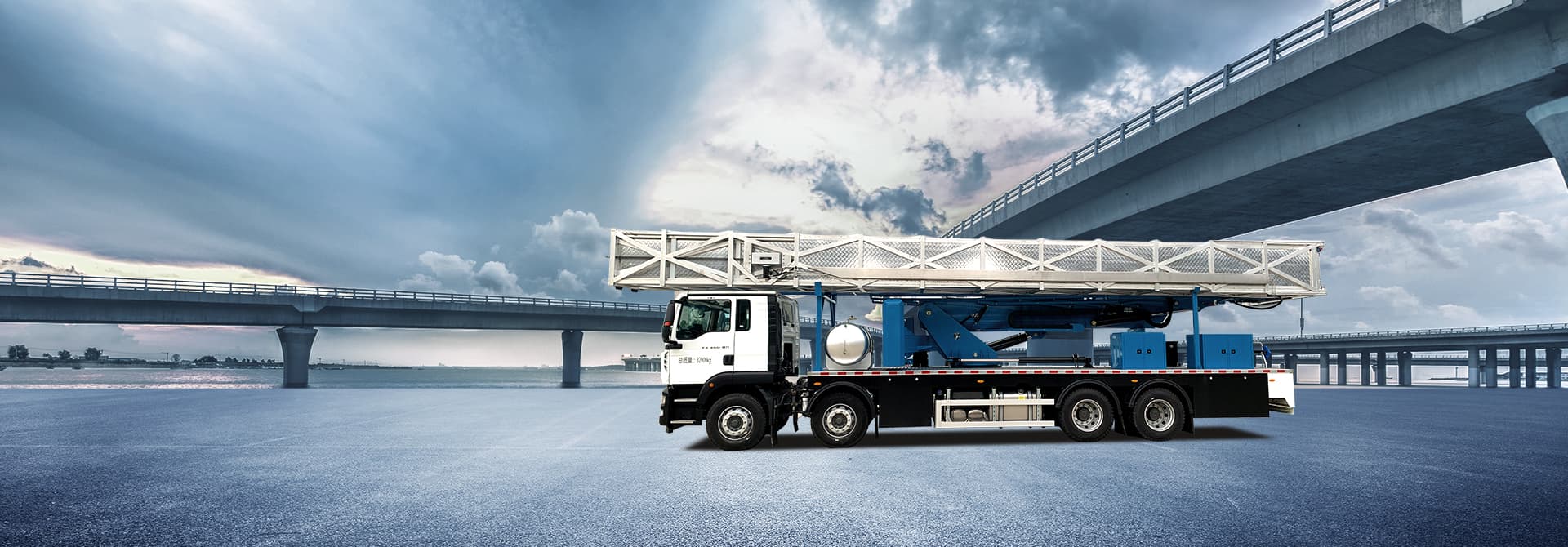
24m 2-Section Bridge Inspection Vehicle
Sinotruk Bawang 4-axle 24m bridge inspection vehicle with 2-section aluminum platform, model ZYM5323JQJ40D624HZ.
View Details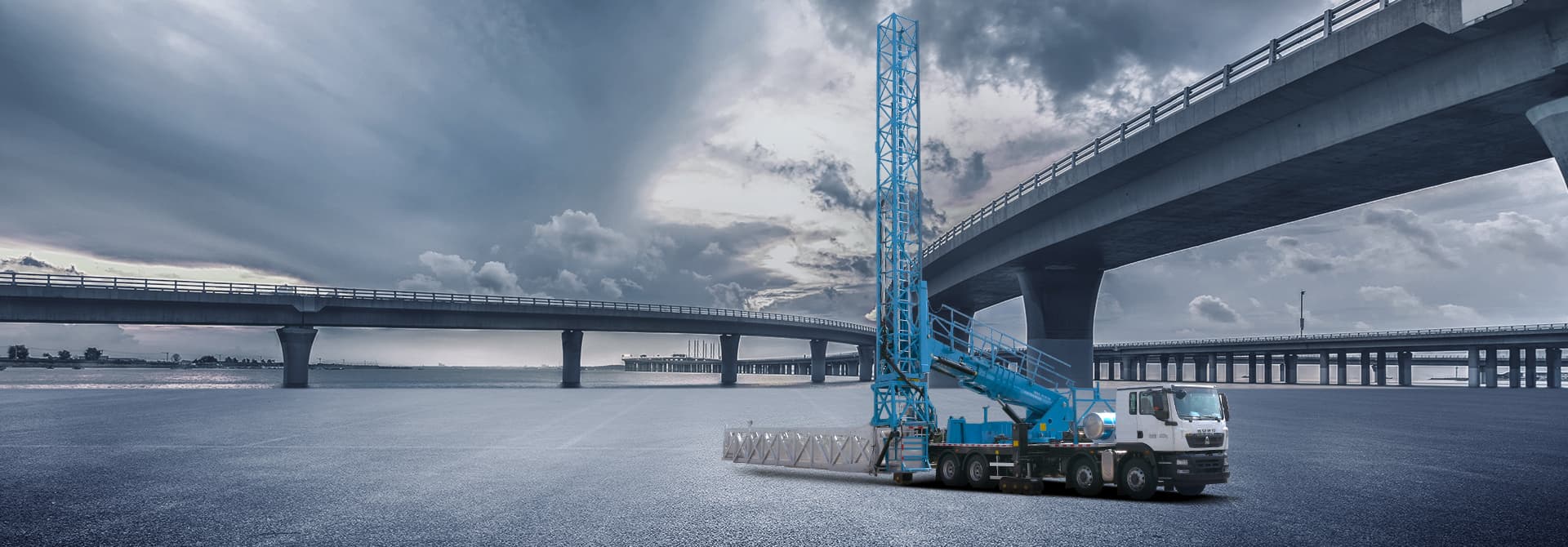
The ZYM5322JQJ40D626HZ is a 4-axle bridge inspection vehicle built on the Sinotruk Bawang chassis, equipped with a 3-section telescopic aluminum platform that reaches 26 meters beneath wide-span highway bridges. Two-stage chain-driven telescoping lets the platform retract to as little as 10 meters minimum reach, giving inspectors access to tight spaces around piers, stay cables, and arch bridge openings that a fixed-length platform cannot navigate.
The ZYM5322JQJ40D626HZ Sinotruk Bawang 4-axle bridge inspection vehicle represents the upper end of Yutong's Bawang-series under-bridge access lineup. Where the 24-meter 2-section model targets standard highway overpasses, the 26-meter 3-section variant is engineered for wide-span bridges, cable-stayed approaches, and arch bridges where the inspector needs both extended reach and the ability to retract into confined positions beneath the deck.
The platform uses three sections driven by two stages of chain transmission. Chain drive was selected for the telescoping mechanism because it delivers consistent, repeatable extension lengths without the creep and drift associated with long hydraulic cylinder strokes. The platform width has been widened to 1.32 meters — noticeably broader than the 2-section design — so two inspectors and a set of non-destructive testing instruments can work side by side on the same walkway.
Fabricated from 6-series high-strength aviation aluminum alloy, the 3-section platform achieves a 35 percent weight reduction compared to a steel equivalent. The extra 5 percent savings versus the 2-section platform reflect the redesigned load paths and optimized section geometry in the longer telescoping structure. This weight savings directly benefits axle load compliance on the 4-axle chassis, which is rated at the 32,000 kg gross vehicle mass limit.
The retracted reach is a defining specification of this model. The 3-stage platform collapses to a minimum inspection reach of 10 meters — a capability the 2-section platform cannot match. This minimum reach matters on cable-stayed bridges, arch bridge soffits, and pier-adjacent zones where a fully extended 24-meter platform would overshoot the work area and place inspectors in the shadow of a pier or stay cable rather than under the girder they need to inspect.
Side-crossing width is 4.9 meters when the main boom is fully extended, slightly narrower than the 2-section model's 5.2 meters because the longer boom trades a small amount of horizontal side reach for additional longitudinal span. The railing-crossing height remains 6.4 meters, sufficient to clear typical highway median barriers and guardrail systems.
The outrigger system mirrors the 2-section model's two-stage telescopic design, with half-extended mode limited to under 3 meters of operating width for emergency lane and ramp work. Real-time outrigger cameras, the anemometer (Beaufort 6 alarm), three proximity switches on the second rotation, dual braking, automatic pressure compensation, and the upper-body travel lock are all standard equipment on this configuration.
The vehicle rides on the same air-suspension Sinotruk Bawang chassis as the 24-meter model, but the overall length is shorter — 12,950 mm versus 13,720 mm — because the telescoping platform packages more compactly when retracted. This shorter overall length improves maneuverability on tight bridge approach ramps and reduces turning radius on urban roads.
Yutong delivers the ZYM5322JQJ40D626HZ as a factory-integrated system with the same 8 percent cross-slope tipping test, outrigger camera calibration, and operator training package as the rest of the Bawang series. The 3-section platform is the right choice when your bridge inventory includes wide spans, cable-stayed structures, or arch bridges with limited under-deck clearance.
| Chassis & Powertrain | ||
|---|---|---|
| Chassis model | / | ZZ1327N466GF1K (Sinotruk Bawang) |
| Engine model | / | MC07H.35P-61 |
| Rated power | kW / PS | 258 / 350 |
| Emission standard | / | China VI |
| Max driving speed | km/h | 110 |
| Dimensions & Weight | ||
| Wheelbase | mm | 1800 + 4575 + 1400 |
| Overall (L × W × H) | mm | 12950 × 2550 × 4000 |
| Total mass | kg | 32000 |
| Working Range | ||
| Under-bridge horizontal working range | m | 0 – 26 |
| Max platform reach (3-section) | m | 26 |
| Min platform reach (retracted) | m | 10 |
| Platform width | m | 1.32 |
| Max under-bridge depth | m | 8.5 |
| Max side-crossing width | m | 4.9 |
| Max railing-crossing height | m | 6.4 |
| Platform Capacity & Motion | ||
| Platform uniform load | kg | 800 |
| Platform front-end load | kg | 400 |
| First rotation range | ° | 0 – 90 |
| Second rotation range | ° | 0 – 180 |
| Self-Propelled System | ||
| Drive type | / | Hydraulic transfer case drive |
| Travel speed | m/min | 15.00 |
Two stages of chain-driven telescoping extend the platform to 26 meters and retract it to just 10 meters. This wide operating window lets the inspector position the platform precisely under the girder, whether the bridge is a wide highway span or a tight arch bridge opening. Chain drive ensures smooth, repeatable extension without hydraulic drift.
The platform has been widened to 1.32 meters to support two inspectors and NDT equipment working side by side. The 6-series aviation aluminum construction cuts platform weight by 35 percent versus steel, improving chassis load margin and fuel efficiency during road transit.
The 10-meter minimum reach is the differentiator. It lets the vehicle work beneath stay cables, around pier columns, and inside arch bridge soffits where a 2-section platform would overshoot the target area and anchor the inspector against an obstruction rather than under the girder.
Despite the longer platform reach, the retracted vehicle is shorter (12,950 mm) than the 24-meter 2-section model (13,720 mm). The telescoping platform packages more compactly when stowed, improving maneuverability on approach ramps and tight urban roads.
The 3-section platform carries its full 800 kg uniform load and 400 kg front-end load at any extension, without the derating that applies to the 2-section model when its boom is fully extended. This is a structural advantage of the chain-driven telescoping design.
Anemometer (Beaufort 6 alarm), outrigger monitoring cameras, three proximity switches on the second rotation, dual braking, automatic pressure compensation, upper-body travel lock, water tank, and diesel generator are all standard. Every unit passes an 8 percent cross-slope tipping test before delivery.
The 26-meter reach covers wide multi-lane highway bridges, long-span box girders, and bridge decks where the inspector needs to work well beyond the edge of the shoulder.
The 10-meter minimum reach lets the platform navigate around stay cables, pylons, and arch soffits to inspect under-deck structures that fixed-length platforms cannot reach.
The 1.32-meter wide platform supports an inspector plus a technician carrying NDT equipment, improving inspection throughput per stop compared to a single-person platform.
The shorter 12,950 mm overall length and under-3-meter half-extended outrigger width make the vehicle suitable for urban arterial bridges, tight ramps, and narrow roadways where longer units cannot position safely.
The 3-section platform uses two-stage chain-driven telescoping sections to reach a maximum inspection reach of 26 meters, with a minimum reach of just 10 meters. The wider 1.32-meter platform accommodates more inspectors and tools side by side. The 2-section model reaches 24 meters with a simpler overlap design but cannot retract to as small a minimum span.
The 3-section platform retracts to a minimum inspection reach of 10 meters. This compact retracted length lets the vehicle access tight spaces such as stay cables on cable-stayed bridges, arch bridge under-deck openings, and narrow culverts where a fixed-length platform cannot position itself.
It uses the same Sinotruk Bawang 4-axle chassis (ZZ1327N466GF1K) with MC07H.35P-61 engine rated at 258 kW (350 PS), meeting China VI emission standards. Overall length is 12,950 mm — 770 mm shorter than the 24m model, thanks to the more compact telescoping platform package.
The 3-section platform supports a uniform distributed load of 800 kg and a front-end load of 400 kg, without the load derating that applies to the 2-section model at full boom extension. The 6-series aluminum alloy construction saves 35 percent of platform weight versus steel.
Maximum side-crossing width is 4.9 meters (narrower than the 5.2m of the 2-section model due to the longer boom), with a railing-crossing height of 6.4 meters. In half-extended outrigger mode, the operating width stays within 3 meters, suitable for narrow urban lanes and ramp work.
This model is ideal for wide-span highway bridges, cable-stayed bridge approaches, arch bridges with limited under-deck clearance, and any project where the inspector needs both maximum reach (26m) and minimum retracted length (10m) to navigate around piers and stay cables. The wider 1.32m platform supports two inspectors plus NDT equipment.
Yes. Yutong Heavy Industries exports bridge inspection vehicles to over 60 countries across Asia, Africa, the Middle East, South America, and Eastern Europe. We provide factory-direct sales, spare parts support, and operator training with each delivered unit. Contact our export team for pricing, lead time, and regional availability.
Sinotruk Bawang 4-axle 24m bridge inspection vehicle with 2-section aluminum platform, model ZYM5323JQJ40D624HZ.
View Details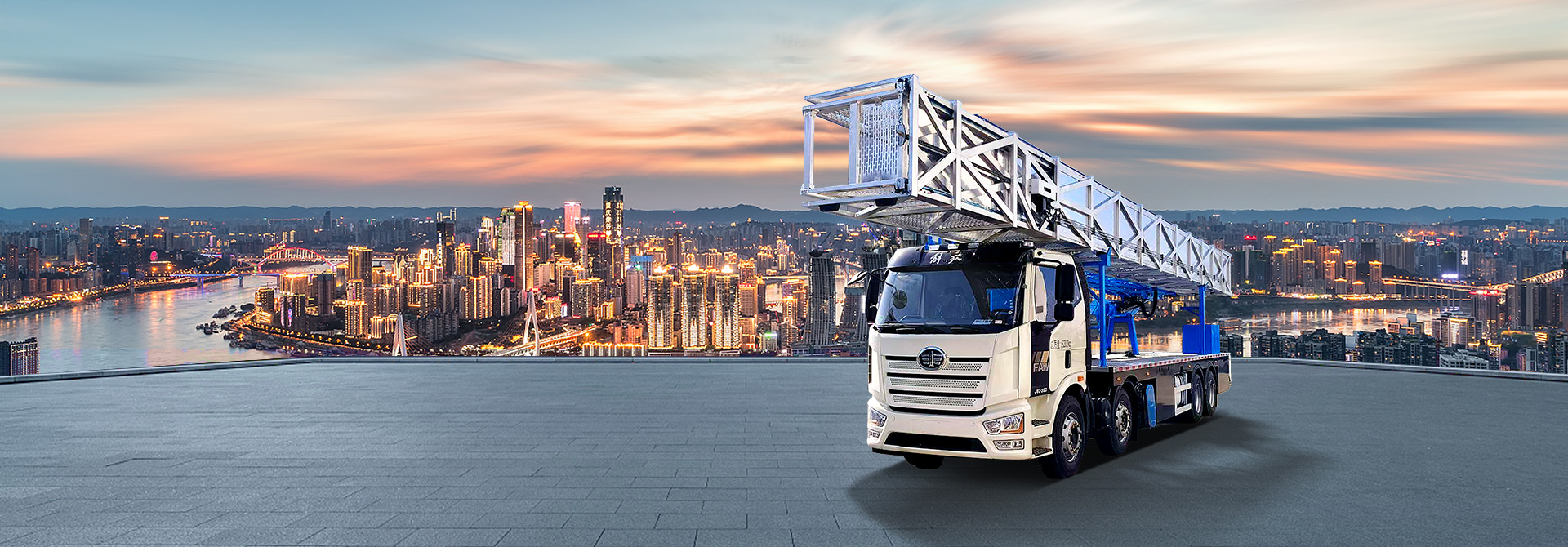
High-efficiency 4-axle 26m truss-type bridge inspection vehicle, model ZYM5322JQJ12D626HZ.
View Details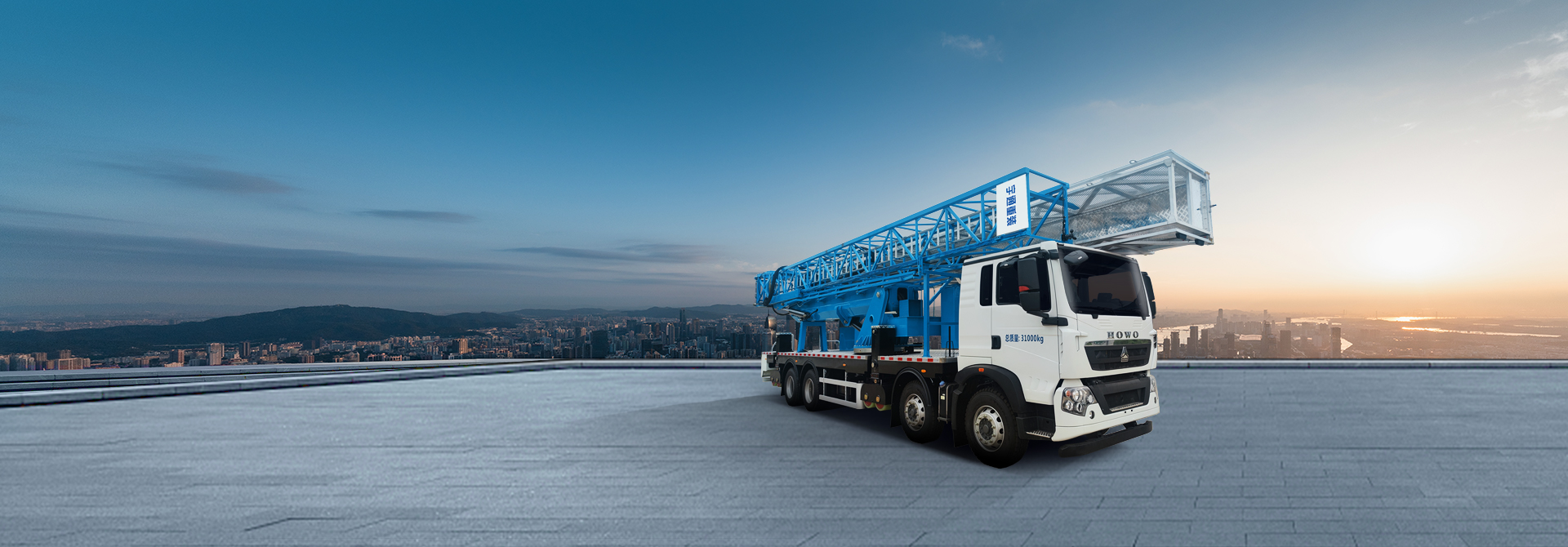
Upgraded 4-axle 26m truss-type bridge inspection vehicle, model ZYM5310JQJ40D622HZ.
View Details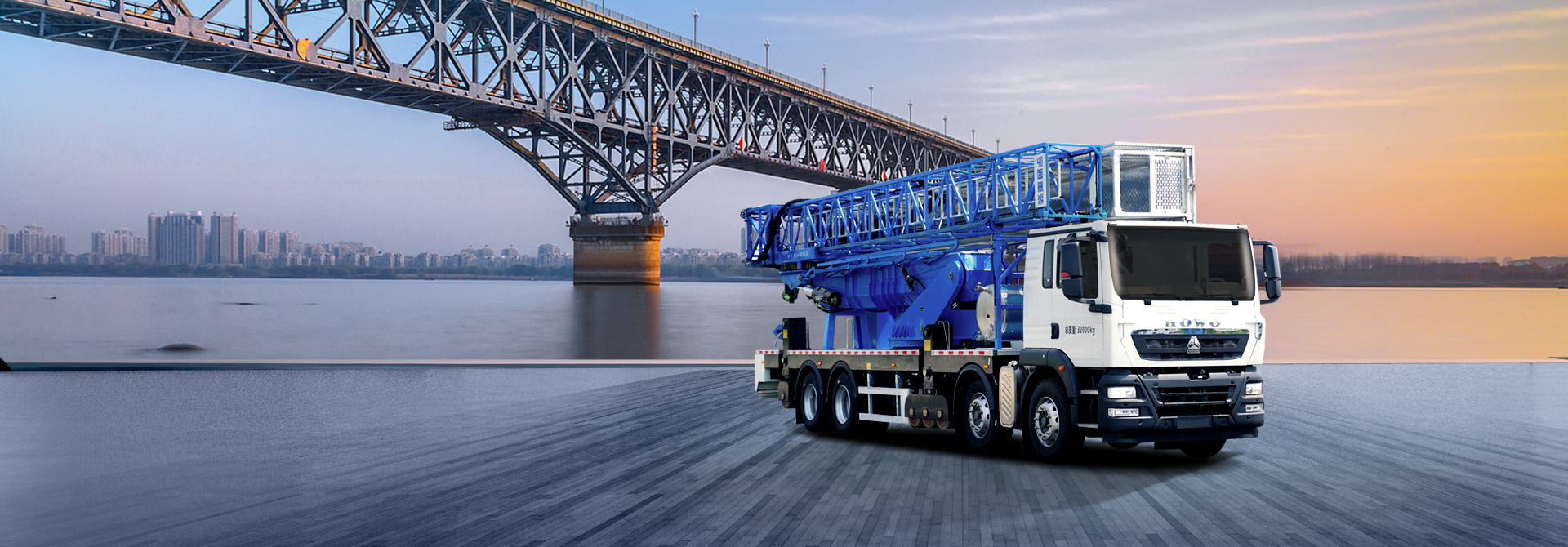
Specialized 4-axle 20m truss-type bridge inspection vehicle for cable-stayed bridges, model ZYM5324JQJ40D620HZ.
View Details