










The project at a glance
The customer is an open-pit gold mine in the Ashanti belt of Ghana. The mine was running an ageing mixed drill fleet and wanted a production blasthole rig that could keep up with a widening pit and feed the shovel a clean dig face. The tender asked for a crawler-mounted rotary blasthole drill that handled 127 to 165 mm holes in medium-hard to hard gold-bearing rock, held penetration rate on the pattern, and could be supported with bits and steel shipped from China. The chosen product line was the Yutong rotary blasthole drilling rig, matched to the YTR150D class for this bench width.
| Item | Value |
|---|---|
| Location | Ashanti belt, Ghana, open-pit gold |
| Rock type | Gold-bearing metavolcanic, medium-hard to hard |
| Hole diameter | 127-165 mm production blastholes |
| Bench width | Widening from ~10 m to ~18 m as pit deepened |
| Supplied rigs | YTR150D crawler rotary blasthole rigs |
| Loading match | 40-50 t rigid truck such as YT3621 |
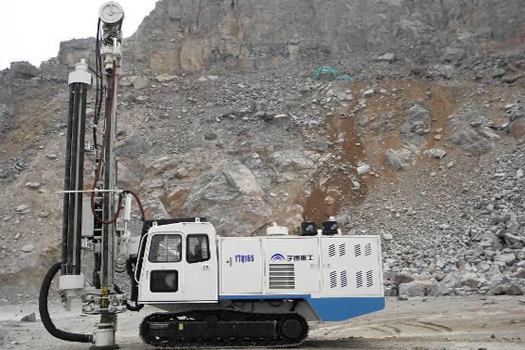
The challenge: widening benches and hard, abrasive rock
Benches that widen as the pit deepens. Early benches on a gold pit are narrow. As the pit cuts back, the bench opens up and the drill requirement moves from a small DTH hole to a production blasthole pattern. The rig had to be agile enough to move between narrow benches early on, yet have the pulldown force to drill 165 mm holes on the wider pattern later.
Hard, abrasive rock. Gold-bearing metavolcanic rock wears bits. If the drill is under-specified on rotation speed or pulldown, the bit wanders off pattern and wears early, which puts holes out of alignment and ruins the blast. The spec had to match the rock so the bit cuts cleanly on the designed burden.
Fragmentation feeds the truck. On a gold pit the blasthole pattern sets the fragmentation, which sets how fast the shovel loads and how few oversize boulders reach the crusher. A drill that puts the holes on the designed burden is not a separate cost; it is the upstream half of the truck fill factor.
The solution: YTR150D matched to the bench and the rock
We spec'd the YTR150D crawler rotary rig around the bench's 127 to 165 mm hole range and the rock's abrasivity. The rig's pulldown and rotation are set so the bit drills the designed burden without wandering, and the crawler undercarriage lets the rig move between benches as the pit widens. For the narrower early benches where a production rig is overkill, the mine can use a tracked DTH drilling rig on the 90 to 127 mm hole range; the rotary rig carries the wider-pattern production drilling.
Bits and drill steel are the consumables that stop a drill. A starter kit of bits, shanks and coupling subs shipped with the rig so the mine was not waiting on a 35-day sea freight for a bit in week two. The mine tracked bit life per metre drilled and set the next reorder before the kit ran out. Sea freight from Shanghai to Takoradi runs roughly 35 to 45 days; critical bits go by air. The same support logic is detailed on the Africa mining equipment page.
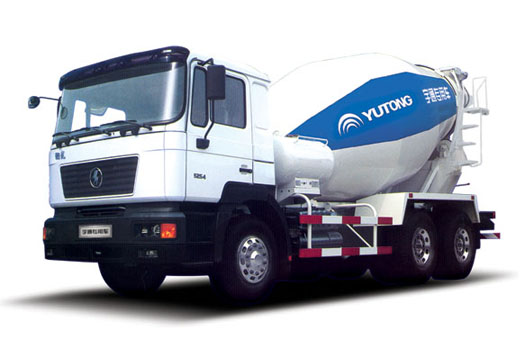
The results: penetration rate and fragmentation after a quarter
After a production quarter, the mine reported that the YTR150D rigs held the designed penetration rate on the gold-bearing rock, with holes staying on the designed burden. Fragmentation from the resulting blast was good enough that the shovel loaded the 40 to 50 t trucks in fewer passes and oversize boulders to the crusher dropped. Bit life tracked to a predictable per-metre number, which made drill-steel budgeting straightforward.
The mine's drill-and-blast superintendent noted that the rig "held the pattern on the hard benches and did not start wandering like the older units," which is the number that matters: holes on burden mean the blast breaks the rock the way it was designed, and the truck behind it fills cleanly. The rigs moved between the widening benches without needing a separate small drill for the early, narrow cuts.
Why the mine chose Yutong
The tender came down to three points. First, the rotary rig matched the hole range as the pit widened, so the mine did not have to buy a second class of drill for the wider benches. Second, the bits-and-steel kit arrived with the rig, removing the risk of a new supplier stranding the drill in week two. Third, the rig held penetration on the hard, abrasive rock, which kept the blast pattern on burden. The mine now has a repeatable drill spec when it opens the next cut: same hole range, same bit kit, same fragmentation target.
For buyers running gold or hard-rock pits in Ghana, Mali, Burkina Faso or Tanzania, start from the hole diameter the bench needs and the rock's abrasivity, then match the drill to the burden. The full drill range is on the rotary blasthole drilling rigs page, and the truck that follows the bench is on the mining dump trucks page. Regional export detail is on the Africa mining equipment page.
Frequently asked questions
Why a rotary blasthole drill instead of a smaller DTH rig?
The benches widened from 10 m to 18 m and the production hole range moved to 127 to 165 mm. A rotary blasthole rig drills that range on a production cycle; a DTH rig suits narrow benches and smaller holes.
How does the drill affect truck fill?
The drill sets the hole, which sets fragmentation, which sets the shovel and truck fill. A pattern that breaks the rock cleanly means fewer passes to load a truck and fewer oversize boulders to the crusher.
What rock was the drill built around?
Gold-bearing metavolcanic rock is medium-hard to hard and abrasive. The rig's pulldown and rotation were matched so the bit cuts the designed burden without wandering or wearing early.
How were bits and drill steel supported?
A starter kit of bits, shanks and couplings shipped with the rig. The mine tracked bit life per metre and reordered before the kit ran out. Sea freight to Takoradi runs 35 to 45 days; critical bits go by air.
Match a drill to your bench and rock
Send us your hole diameter, bench width, rock type and daily metres to drill, and our mining engineering team will match a rotary blasthole or DTH rig across the Yutong drill range. We export to over 60 countries on FOB or CIF terms with the full customs document set.