










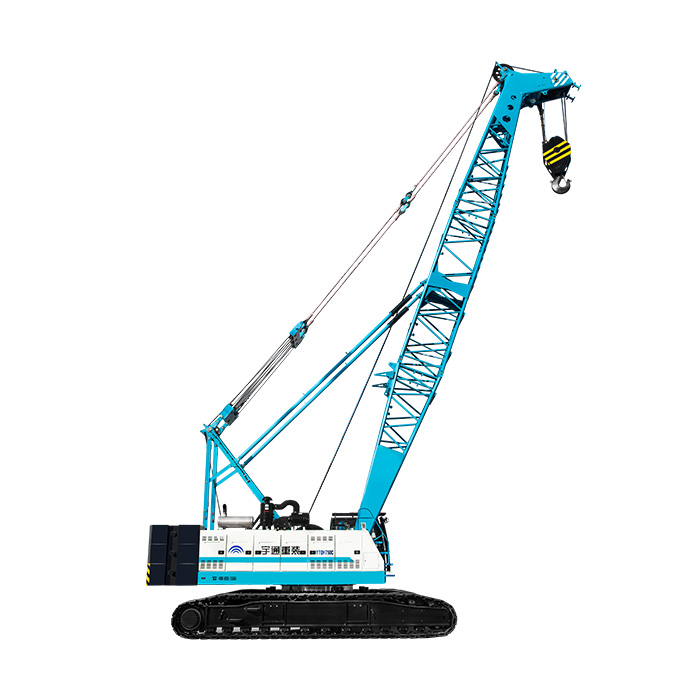
YTQH750CS — conventional diesel
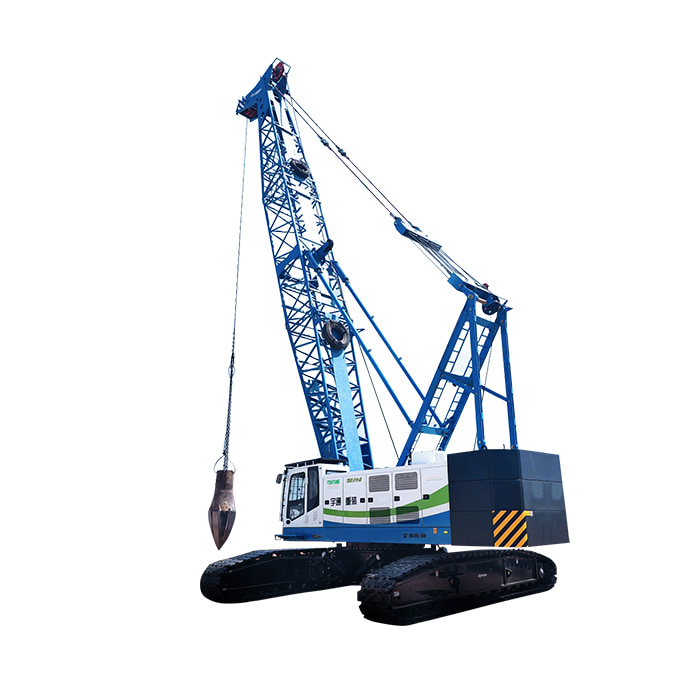
YTQH750HE — range extended
Side-by-side specification comparison
Both machines are in the 750 dynamic-compaction class: they lift a heavy tamper on a crane boom and drop it to densify fill, liquefiable soil or weak ground. The rated impact class is the same. What changes is how the hoist is powered. Figures are typical ordering data; the final spec matches your tamping design.
| Parameter | YTQH750CS | YTQH750HE |
|---|---|---|
| Tamping class | 750-class | 750-class |
| Hoist power | Diesel, conventional | Electric hoist + range extender |
| Fuel use per drop | Higher | Lower (regenerative lift cycle) |
| Noise / exhaust | Higher engine presence | Reduced on the working cycle |
| Site access | Anywhere fuel can reach | Anywhere fuel can reach |
| Best use | Remote sites, simple maintenance | Urban / long campaigns, low noise |
Same drop energy, different lift efficiency
Dynamic compaction works by converting potential energy into impact energy when the tamper hits the ground. The YTQH750CS and YTQH750HE deliver the same 750-class impact to the ground, so your compaction results, drop spacing and pass count are designed from the same tamping energy, not from the machine badge. The difference is what happens between drops: lifting the tamper back up.
The YTQH750HE uses an electric hoist drive with a range-extender engine, so the lift cycle is more efficient and can recover energy where the duty cycle allows. That cuts fuel burnt between each impact and lowers engine noise and exhaust on site. The YTQH750CS uses a conventional diesel hoist, which is simpler to service and completely independent of any electric infrastructure.
Where fuel savings and quiet operation matter
Dynamic compaction runs hundreds of drops per session, so fuel burned per lift multiplies fast. On a long ground-improvement campaign, the YTQH750HE's lower fuel use per lift turns into a real annual bill saving. The same efficiency case strengthens on an urban site: quieter operation and less exhaust make it easier to work near housing or under environmental restrictions, where a loud, smoky diesel machine may run out of allowed hours.
On a remote greenfield site those benefits matter less. Fuel bowsers already support the job, there are no neighbours to disturb, and a conventional diesel machine is the one your mechanics know inside out. That is where the YTQH750CS stays the pragmatic pick: proven, simple, and without the hybrid powertrain to service.
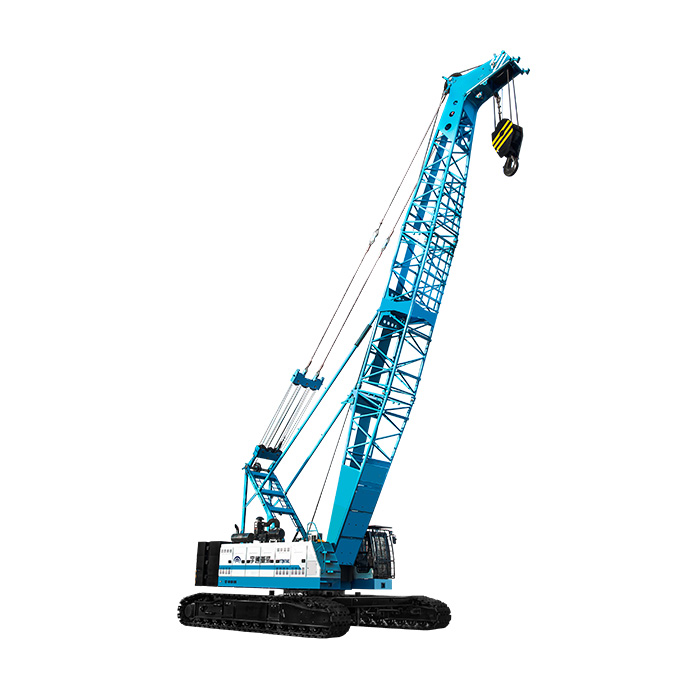
Which machine fits which job
Choose the YTQH750CS when: the site is remote; fuel logistics are straightforward; your team knows conventional diesel service; and there are no noise or emissions constraints.
Choose the YTQH750HE when: the job is near housing or under environmental rules; the compaction campaign is long enough for fuel savings to matter; and you want lower noise and exhaust. For lighter classes, the YTQH450CS sits below in the range.
Cost per compaction point
Your real cost is per compaction point, not per hour. Work it out as drops per point times fuel per drop, plus operator and machine rate. The YTQH750HE usually has the lower fuel per lift, so on a high-drop-count job its running saving closes the purchase premium and then pulls ahead. The YTQH750CS has lower upfront capital and simpler maintenance, so on a short, remote job it stays cheaper. Send us your tamping design energy and drops per point and we will model both machines against your fuel price.
| YTQH750CS (diesel) | YTQH750HE (range extended) | |
|---|---|---|
| Strengths | Proven diesel; simple service; works anywhere | Lower fuel per drop; quieter; less exhaust |
| Watch out | Higher fuel and noise per drop | Higher capital; hybrid powertrain to service |
| Best sites | Remote, simple, short campaigns | Urban, long campaigns, low-noise rules |
Frequently asked questions
What does the HE badge mean on the YTQH750HE?
Both are 750-class dynamic compactors. The YTQH750CS is conventional diesel. The YTQH750HE is range-extended: electric hoist drive with a range-extender engine, cutting fuel and noise while keeping the same drop-energy class.
Does the hybrid compactor deliver the same drop energy?
Yes. The HE changes how the hoist is powered, not the rated tamping energy. Both deliver the same 750-class impact; the hybrid improves lift efficiency and lowers noise and exhaust.
When is the range-extended YTQH750HE the better pick?
For urban or near-residential ground improvement where noise and exhaust matter, and for long campaigns where fuel savings per drop add up. Choose the YTQH750CS for remote sites with simple fuel logistics and familiar diesel maintenance.
How do I estimate the cost per compaction point?
Cost per point is fuel per drop times drops per point, plus operator and machine rate. The hybrid usually costs less fuel per lift, so on a high-drop-count job its saving closes the purchase premium. Send us your drops per point and we will model both.
Not sure which compactor suits your site?
Send us your tamping design energy, drops per point, ground type and whether the site is urban or remote. We will model the YTQH750CS and YTQH750HE and send spec sheets plus a cost-per-point estimate. Browse the dynamic compaction range or the full foundation equipment line-up.