










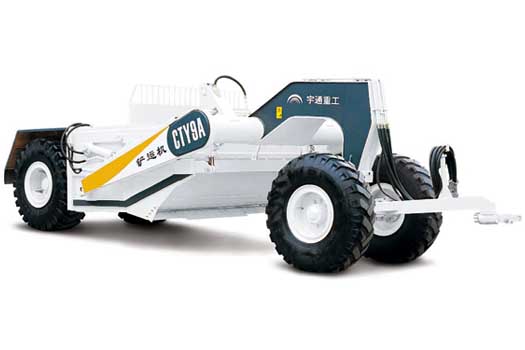
Towed scraper — bowl behind a pusher
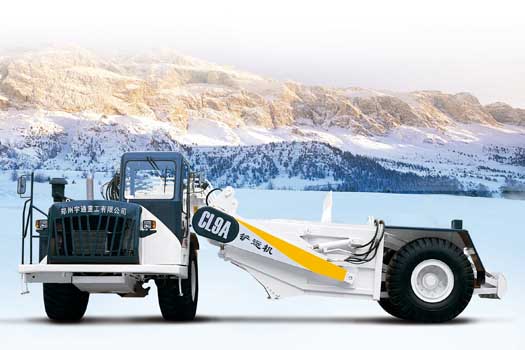
Motor scraper — self-propelled
Side-by-side comparison
Both are scrapers: they cut a bowl of material, haul it and spread it in lift layers, which compacts as it goes. The structural difference is propulsion. A towed scraper has no engine and must be pulled; a motor scraper carries its own power. Figures are typical ordering data; the final choice depends on your haul distance and volume.
| Factor | Towed scraper | Motor scraper |
|---|---|---|
| Propulsion | Pulled by dozer / tractor | Self-propelled engine |
| Capital cost | Low (bowl only) | Higher (powered machine) |
| Pusher required | Always | Optional for loading speed |
| Haul speed | Slow (pusher limited) | Faster on the haul road |
| Best haul length | Short cut-and-fill | Medium to longer hauls |
| Best volume | Smaller jobs, spread work | Large mass-haul cuts |
How each one actually works
A towed scraper is an unpowered bowl. A dozer or tractor pulls it, cuts into the cut and fills the bowl, then hauls it to the fill and spreads it. The whole operation is tied to the pusher machine: while the towed scraper hauls, that dozer is along for the ride, which is fine on a short haul where the trip back is quick but wasteful as the haul grows.
A motor scraper has its own engine, cab and wheels. It drives itself to the cut, loads (sometimes self-loading, sometimes with a push tractor to speed the fill), then races down the haul road under its own power to spread. One dozer can push a whole fleet of motor scrapers, because the dozer only touches each machine during the short loading pass, not for the haul.
Haul distance is the crossover
The towed scraper's weakness is the haul: its speed is limited by the pusher, and the pusher is occupied the entire trip. On a 100 m cut-and-fill that penalty is small, and the towed scraper's tiny capital cost wins. As the haul stretches to 500 m and beyond, towing a dead-weight bowl behind a dozer on every round trip becomes expensive in dozer hours.
The motor scraper is the opposite: more capital per machine, but each machine moves independently and fast. One dozer loads a cycle of them, and they queue at the cut rather than tying up the pusher. The crossover where motor scrapers beat towed ones is set by haul distance, the number of scrapers per pusher, and the total cubic metres moved. We can work your numbers.
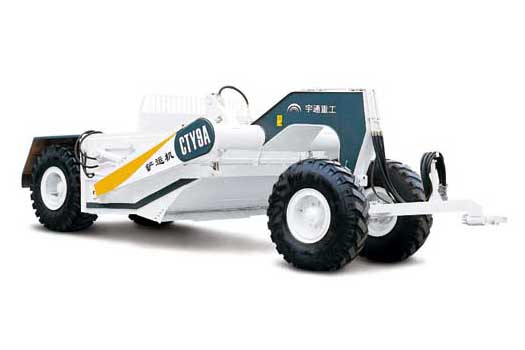
Which scraper fits your cut
Choose a towed scraper when: you already own a dozer; the cut-and-fill distance is short; the earthmoving volume is modest; and low capital matters more than cycle speed.
Choose a motor scraper when: the haul is medium to long; you are moving large volumes; and one push tractor can keep a cycle of machines loading. Mixed fleets combine a towed bowl for finishing with motor scrapers for the mass haul. See the scraper range.
Cost per cubic metre moved
The decision is litres of dozer or machine time per bank cubic metre. The towed scraper buys almost no new iron and uses an asset you already have, so it wins on small jobs where speed is free. The motor scraper spreads its higher capital over many more cubic metres per day on a longer haul, winning on large mass-haul projects. Buying motor scrapers for a short, small job wastes their speed; buying towed scrapers for a long, big job ties up dozers all day. Size to the volume and distance.
| Towed scraper | Motor scraper | |
|---|---|---|
| Strengths | Low capital; uses an owned dozer; simple | Fast haul; independent; one pusher serves a fleet |
| Watch out | Pusher tied up the whole haul; slow on long trips | Higher capital; needs a real volume to justify |
| Best jobs | Short cuts, small volumes, owned dozer | Long hauls, large mass-haul cuts |
Frequently asked questions
What is the difference between a towed and a motor scraper?
A towed scraper is an unpowered bowl pulled by a dozer. A motor scraper is self-propelled with its own engine, cab and wheels, so it cuts, loads, hauls and spreads without a separate pusher on the whole trip.
Which is cheaper per cubic metre moved?
A towed scraper costs little capital and uses a dozer you own, but is slower on long hauls. A motor scraper moves faster and cycles independently, winning on longer hauls and larger volumes. The crossover depends on haul distance and scrapers per pusher.
What haul distance suits each one?
Towed scrapers suit short hauls and small cut-and-fill where a dozer pushes the bowl. Motor scrapers win as the haul lengthens because they travel under their own power without a pusher tied up.
Do I need a dozer for either?
A towed scraper needs a pusher dozer at all times. A motor scraper can self-load on light cuts and uses a push tractor only to speed loading, so one dozer can serve a whole fleet of motor scrapers.
Not sure which scraper fits your cut and fill?
Send us your cut volume, haul distance, available dozer and daily production target. We will model towed and motor scrapers and send spec sheets plus a cost-per-cubic-metre estimate. Browse the scraper range or all earthmoving machinery.