










Start from the route, not from the brochure
Most sweeper truck selection mistakes happen at the first step: someone picks a tonnage off a price list and then makes the route fit the truck. The reverse is faster and cheaper. Your route already has fixed numbers — road width, turn radius, daily route length, litter type (leaves, grit, construction debris), disposal site distance, and local emission rules. A good sweeper choice is simply the smallest truck that still cleans your route without wasting time on mid-shift emptying. Below is the decision tree we run with customers, followed by the parameter definitions that fleet managers usually argue about.
The decision tree: five questions before you spec a sweeper
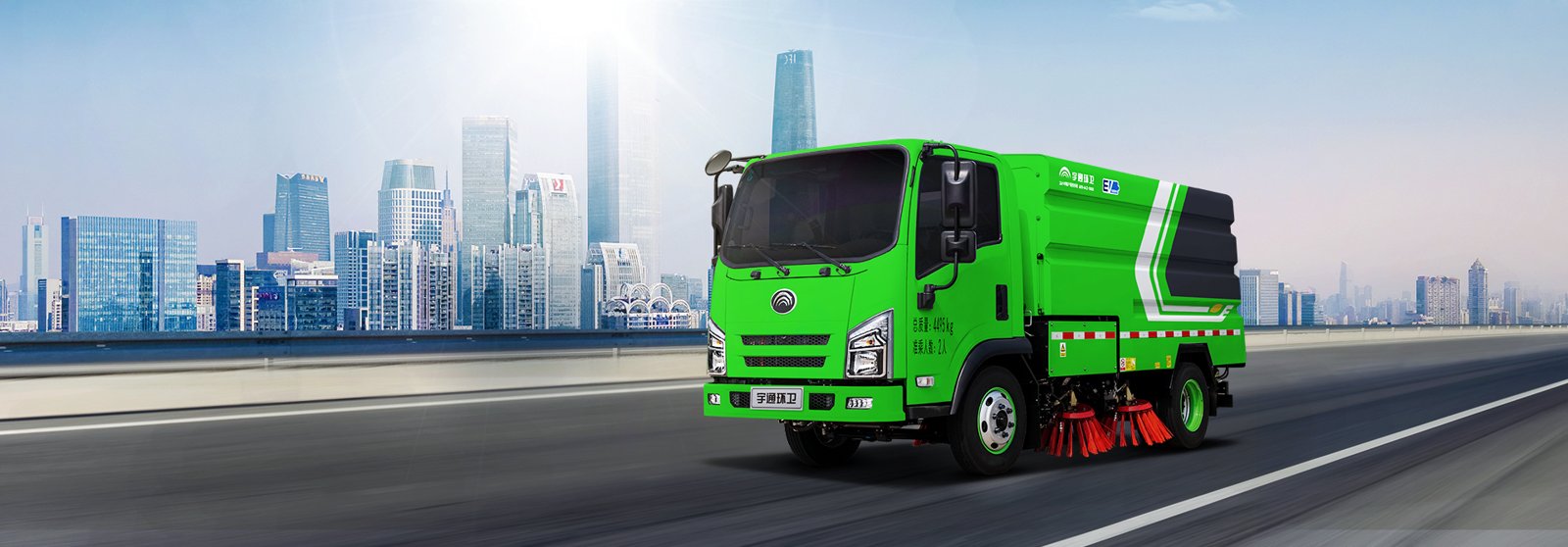
1. Road width and turn radius. Measure the narrowest street and tightest corner on the route. Under 8 m wide with tight turns needs a 5 to 6 t compact unit such as the YTZ5050TSL70E or YTZ5060TSL70F. Arterial roads of 10 to 20 m can take a larger 10 to 18 t unit.
2. Litter type. Leaves and coarse debris need mechanical brooms. Fine dust and grit need vacuum suction. Construction sites need heavy-duty brooms and a large hopper. Identify what actually litters your roads.
3. Climate and dust. Dry, windy climates need a wet-sweep system to suppress dust at the broom. Damp or coastal areas can run a dry sweeper with simpler maintenance.
4. Fuel type. City centres, tunnels and nighttime cleaning favour electric sweepers for zero emissions and low noise. Long rural routes favour diesel for range and availability.
5. Budget and TCO. Compare purchase price, fuel or energy cost, broom wear, hopper disposal trips and downtime together. A slightly larger truck that skips a mid-shift empty can win on productivity.
The parameters engineers actually argue about
These five terms are where two buyers "compare" sweepers that are not comparable at all. Get the definitions right and the table comparison becomes honest.
| Parameter | What it really means | How to use it in selection |
|---|---|---|
| GVW class (t) | Total weight of the loaded truck, sets size and turning room. | Match to road width and turn radius. 5 to 6 t for alleys; 10 to 18 t for arterials. |
| Hopper capacity (m3) | Volume of debris the truck holds between disposal trips. | Larger hopper = fewer mid-shift empties. Size so one fill covers a full route loop. |
| Broom system | Mechanical side brooms, main roller brush, or vacuum suction. | Broom for coarse litter; vacuum for fine dust. Most municipal units combine both. |
| Water tank (L) | Capacity for wet-sweep dust suppression and spray cleaning. | Dry climates need a larger water tank to last a full shift. Desert routes need on-board water replenishment points. |
| Cleaning width (m) | Swath the truck covers in one pass. | Wider swath = faster coverage on wide roads. Narrower swath suits tight streets. |
| Chassis brand | Commercial truck platform the deck is mounted on. | Choose a chassis your local service network supports. Dongfeng, Howo, Foton, JAC are common. |
Match the truck to the application: municipal, industrial, highway
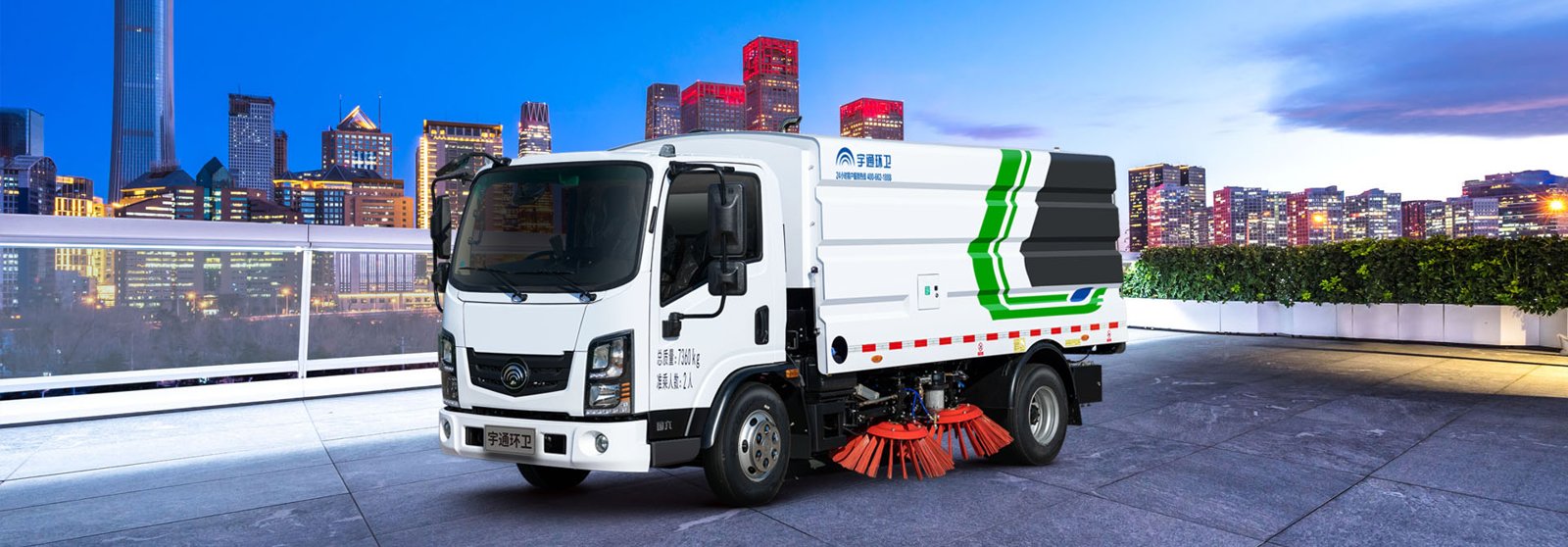
Residential and municipal streets. Narrow roads, parked cars, tight turns. A 5 to 6 t compact sweeper such as the YTZ5070TXS70E fits the alleys and turns where a large truck cannot.
Secondary and arterial roads. Wider roads, higher traffic, more grit and litter. A 10 to 18 t unit such as the YTZ5160TXS20E covers more road per pass with a larger hopper.
Industrial yards and logistics parks. Construction debris, spilled material, coarse litter. Heavy-duty brooms and a rugged hopper handle industrial waste. The street sweeper range covers this duty.
Tunnels and enclosed spaces. Emission restrictions rule out diesel. Battery-electric sweepers such as the sweeper-scrubber range operate with zero local exhaust, ideal for tunnels and indoor warehouses.
Diesel vs electric: the TCO that decides it
The honest comparison is not truck size on a spec sheet; it is energy cost, maintenance cost and compliance over five years. A diesel sweeper has near-zero infrastructure cost and runs anywhere, but it carries high per-shift fuel cost and local emissions that may be banned in city centres. An electric sweeper costs more to buy and needs charging infrastructure, but it uses a fraction of the energy cost per shift and has fewer wearing parts in the drivetrain. For cities with low-emission zones or nighttime cleaning mandates, the electric truck is often the only compliant option. Compare a vacuum sweeper truck for fine-dust applications against a mechanical broom unit for coarse litter.
| Powertrain | Purchase price | Energy cost per shift | Infrastructure | Best fit |
|---|---|---|---|---|
| Diesel | Lower | High | None | Long routes, rural areas, no charging |
| Battery electric | Higher | Low | Chargers | City centres, tunnels, low-emission zones |
| Sweeper-scrubber | Higher | Medium | Water supply | Stain removal, visibly clean pavement requirement |
Five mistakes we see on real fleets
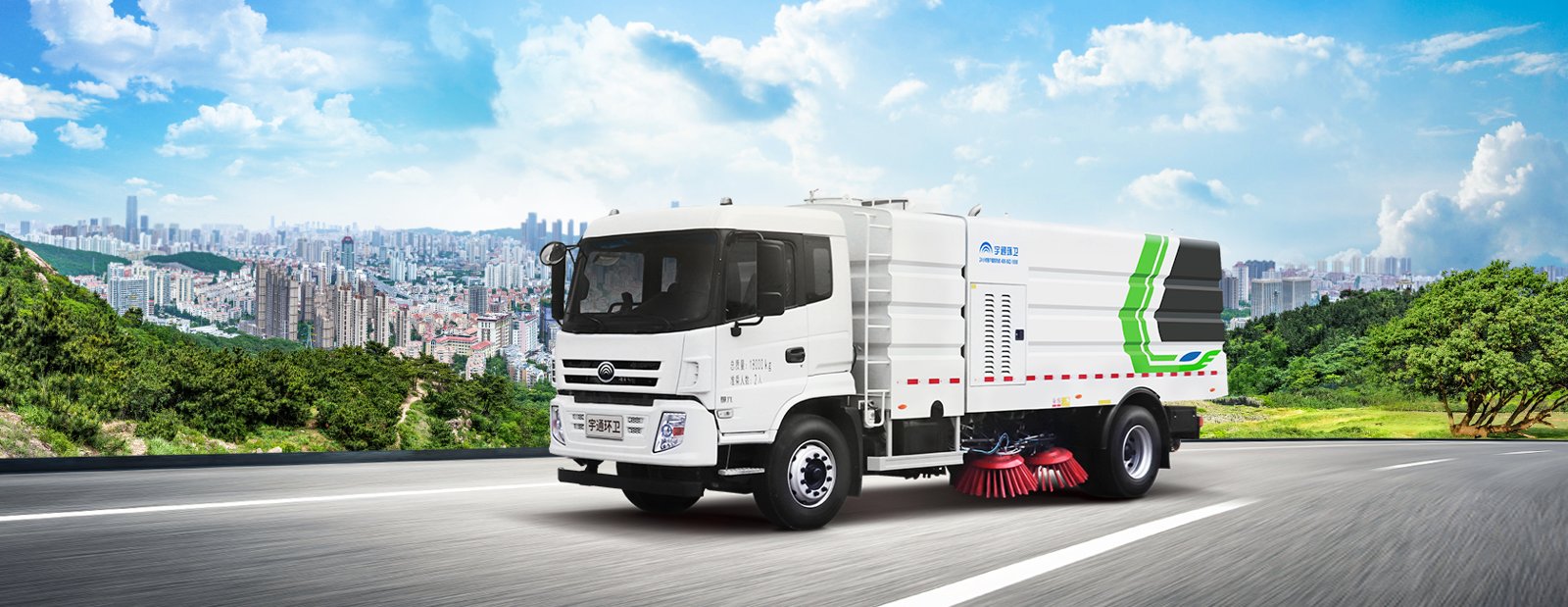
1. Oversizing for narrow streets. An 18 t truck bought for residential alleys spends its life unable to turn around. Buy for the narrowest street on the route.
2. Buying a dry sweeper for a dusty climate. A dry system throws dust at the broom. In dry, windy regions, wet-sweep is mandatory.
3. Hopper too small for the route. A small hopper forces mid-shift disposal trips that waste 20 percent of the shift. Size the hopper for a full loop.
4. Ignoring emission rules. A diesel sweeper bought for a low-emission city centre cannot operate after the regulation kicks in. Check local rules before ordering.
5. Choosing an unsupported chassis. A rare chassis brand means no local parts and long downtime. Pick a platform your service network already supports.
Frequently asked questions
What size sweeper truck do I need for my roads?
Match the truck size to road width and turn radius. A 5 to 6 t unit suits residential alleys under about 8 m wide. Move to a 10 to 18 t unit for secondary and arterial roads of 10 to 20 m. Measure the narrowest street and tightest corner on the route.
Mechanical broom or vacuum system - which do I need?
A mechanical broom picks up heavy litter, leaves and coarse material. A vacuum picks up fine dust and grit. Most municipal sweepers combine both. Choose based on what actually litters your roads.
Dry sweep or wet sweep system?
A wet-sweep system sprays water at the broom to suppress dust, essential in dry, windy climates. A dry sweeper suits damp or coastal areas with simpler maintenance. In desert regions, wet sweep is usually mandatory.
How does hopper capacity affect daily productivity?
The hopper holds debris between disposal trips. A small 5 t truck may need to empty after 2 to 3 hours on litter-heavy routes; a large 18 t unit runs a full shift. Size the hopper so the truck does not waste time returning to disposal mid-shift.
Diesel or electric sweeper truck?
An electric sweeper has zero local emissions and lower noise, ideal for city centres, tunnels and nighttime cleaning. A diesel sweeper suits long routes and rural areas where charging is not available. For urban fleets facing emission regulations, electric is the compliant choice.
What chassis brands are available?
Sweeping decks mount on Dongfeng, Sinotruk (Howo), Foton and JAC chassis, so local technicians already know the cab and drivetrain. Right-hand-drive variants are available for the UK, Australia, Southeast Asia and parts of Africa.
What is the warranty and lead time?
Standard warranty is 12 months or 20,000 km. Standard catalog models ship within 15 to 30 working days after deposit. Custom builds such as right-hand drive or modified hopper take 35 to 50 working days plus sea freight.
Send us your route map and we will size the sweeper
Tell us the road width, turn radius, daily route length, litter type, disposal site distance, and whether your city has low-emission rules, and our sanitation engineering team will match you to the right class across the Yutong sweeper truck range — from the 5 t compact class up to the 18 t arterial-road units. We export to over 60 countries and build to FOB / CIF shipment terms with the full customs document set.