










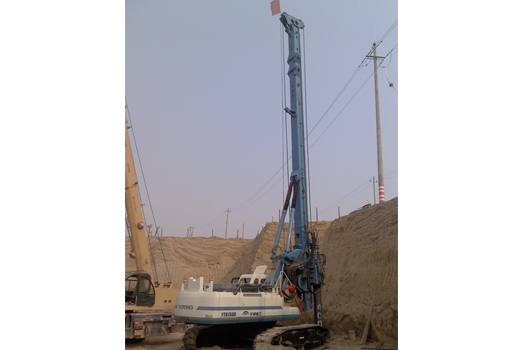
YTR150D — ~150 mm hole
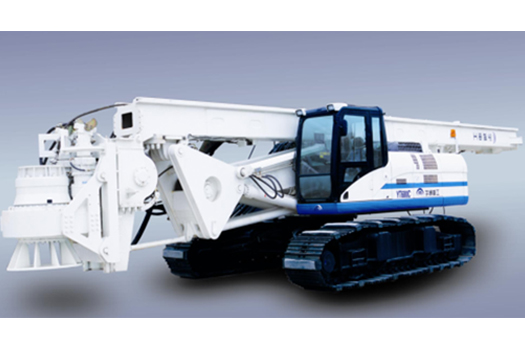
YTR200C — ~200 mm hole
Side-by-side specification comparison
Both are rotary blasthole drills built for bench production drilling. The single biggest difference is the hole diameter they are sized for, which ripples through the blast pattern, fragmentation and the loading fleet that follows. Figures are typical ordering data; the final spec matches your rock strength and drill depth.
| Parameter | YTR150D | YTR200C |
|---|---|---|
| Hole diameter | ~150 mm class | ~200 mm class |
| Blast pattern | Tighter burden & spacing | Wider burden & spacing |
| Holes per bench area | More holes | Fewer holes |
| Fragmentation | Finer, suits small loaders | Coarser, feeds large shovels |
| Penetration in soft rock | Fast, lighter rig | Slower per metre |
| Best use | Quarries, smaller mines, soft rock | Large mines, hard rock, big shovels |
Hole diameter drives the entire drill-and-blast cost
The YTR150D drills a roughly 150 mm hole; the YTR200C drills a roughly 200 mm hole. A wider hole carries more explosive per metre and breaks a larger volume of rock, so you can spread the burden and spacing further apart. On a large bench that means fewer holes drilled per tonne of rock broken, which is where the bigger drill earns its keep on hard rock.
The trade-off is that a 150 mm hole drills faster in softer material and produces finer fragmentation. Fines mean less oversize at the crusher and easier loading for a smaller excavator. A 200 mm hole in soft rock simply drills more metres of hole than you need, carrying extra fuel, bit wear and rig mass you never use. Size the hole to the rock, then to the loader.
Drill-to-loader-to-crusher match
A blasthole drill is judged by what happens after the blast, not by metres drilled per shift. If your pattern produces fragmentation your 5 to 8 m3 loader cannot handle, you wait on secondary breakers. If your crusher chokes on boulders from a too-coarse pattern, you lose production downstream. The YTR150D's tighter pattern tends to feed smaller loaders and reduce oversize; the YTR200C's wider pattern suits a large shovel that can pass larger rock without hesitation.
Bit choice and thrust follow the same logic. The 200 mm rig delivers more downward pressure and torque to turn a larger bit in hard formations, so in abrasive granite it holds a better penetration rate than trying to push a smaller rig too hard. In shale or overburden, the lighter YTR150D simply moves faster from hole to hole.
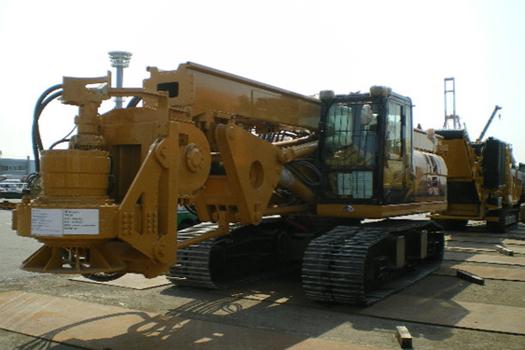
Which rig fits which operation
Choose the YTR150D when: you run a quarry or smaller mine; the rock is soft to medium; your loader is 5 to 8 m3; and you want fine fragmentation to limit oversize and secondary breaking.
Choose the YTR200C when: you run a large hard-rock mine; your shovel is 12 m3 or bigger; daily tonnage is high; and a wider blast pattern reduces holes per tonne. For even larger holes, the YTR280C steps up the range.
Cost per tonne broken, not metres drilled
The YTR150D costs less per rig and drills faster per metre in soft rock, but it needs more holes to break the same bench volume, so explosive loading and move time add up. The YTR200C costs more upfront and drills slower per metre in soft ground, but fewer holes per tonne and a matched loader usually win on total drill-and-blast cost in hard rock. The right number is metres drilled per tonne broken across the full loop, including loading and crushing.
| YTR150D (150 mm) | YTR200C (200 mm) | |
|---|---|---|
| Strengths | Faster in soft rock; finer fragmentation; lower capital | Fewer holes per tonne; matches big shovels; strong in hard rock |
| Watch out | More holes needed to break large volumes | Overkill and slower in soft rock; needs a large loader |
| Best sites | Quarries, small mines, soft rock | Large hard-rock mines, high tonnage |
Frequently asked questions
What hole size does each drill cover?
The YTR150D targets a roughly 150 mm hole and the YTR200C a roughly 200 mm hole. The larger hole carries more explosive per metre, breaks a bigger volume and pairs with bigger loaders; the smaller hole suits finer fragmentation and smaller equipment.
How does hole diameter affect the drill pattern?
A 200 mm hole allows wider burden and spacing, so fewer holes break the same bench. A 150 mm hole needs a tighter pattern and more holes but drills them faster in softer material. Pattern density drives cost per tonne broken.
Which drill pairs with my shovel or loader?
Fine fragmentation from the 150 mm pattern suits a smaller loader and limits crusher oversize. A 200 mm pattern feeds a larger shovel. If the blasted rock does not suit your loader, the wrong drill costs you at loading and crushing.
When should I step up from the YTR150D to the YTR200C?
Step up when you move to a larger loader, raise daily tonnage, or work harder rock where a larger hole and heavier bit torque give better penetration. Stay on the YTR150D for smaller quarries, softer material and finer fragmentation.
Not sure which hole size fits your bench?
Send us your rock type and compressive strength, bench height, target blast pattern, loader bucket size and daily tonnage. We will model the YTR150D and YTR200C against your numbers and send spec sheets plus a drill-and-blast cost estimate. Browse the full rotary blasthole drill range or the foundation construction equipment line-up.