










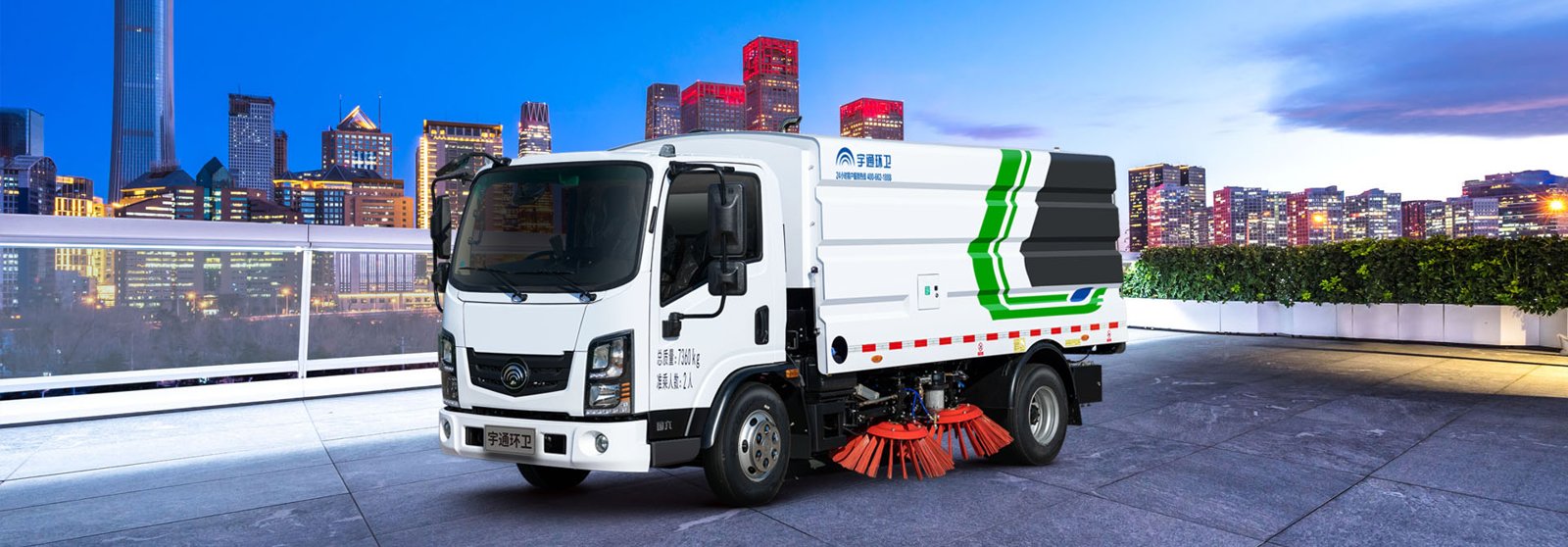
Sweeper truck — brush + suction
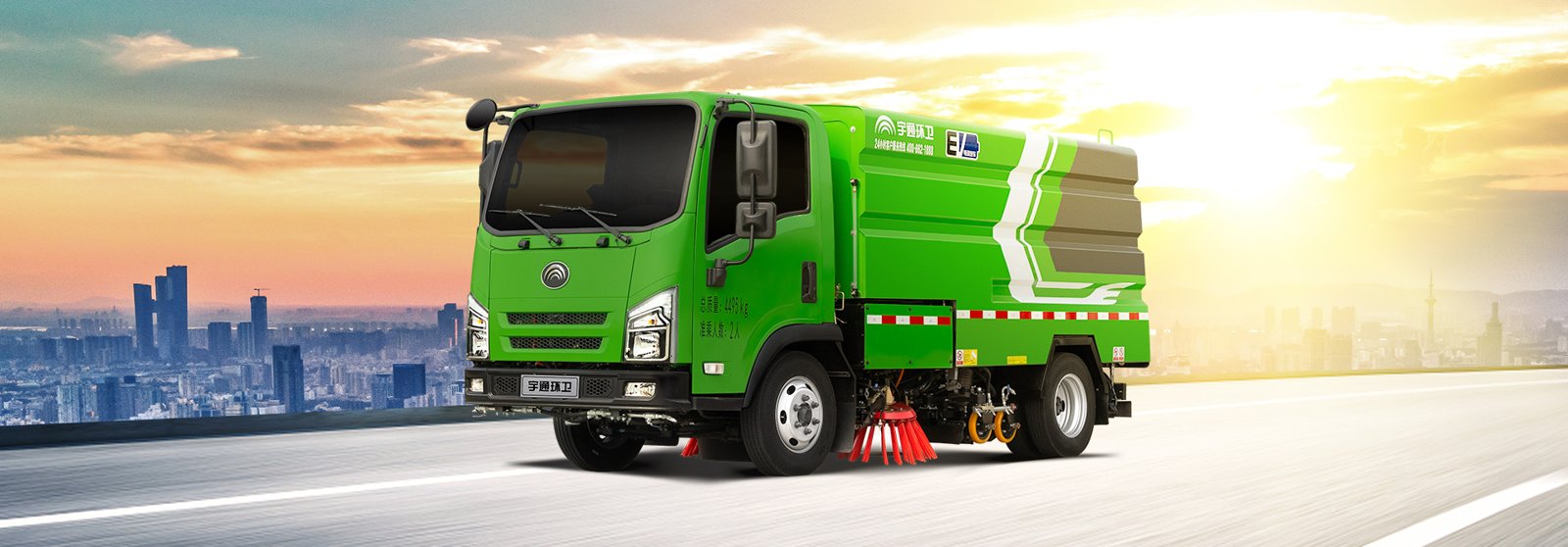
Sweeper-scrubber — wash + scrub + recover
Side-by-side comparison
Both vehicles mount a cleaning body on a truck chassis and drive a route. The difference is the cleaning method: a sweeper lifts dry debris with brushes and suction, while a sweeper-scrubber adds water, scrubbing and vacuum recovery. That changes water use, tank size and the finish you get.
| Factor | Sweeper truck | Sweeper-scrubber |
|---|---|---|
| Cleaning method | Brushes + suction, light water spray | Water + scrub + vacuum recovery |
| Dust control | Good (spray suppresses dust) | Excellent (surface is wet-clean) |
| Water use | Low | Higher; larger tanks |
| Stain / grease removal | Limited | Yes, with scrub action |
| Surface finish | Debris-free, may look dry-dusted | Wet-clean, streak-free |
| Best use | Routine road sweeping, leaves, dust | Plazas, tunnels, stained pavements |
What each machine actually does to the surface
A road sweeper spins gutter brushes into the kerb and uses suction to lift loose material into a hopper. A light water spray keeps the dust from flying. It is efficient for routine pickup: leaves, litter, sand and dry debris on a standard road. It does not wash the surface, so a stain, a grease patch or a tyre-marked pavement stays behind.
A sweeper-scrubber does the brush-and-suction job and then goes further: it lays water on the surface, scrubs it with a roller or disc, and vacuums the dirty water back into a separate tank. The road emerges wet-clean rather than just brushed. That is why plazas, tunnel floors and event streets are run with scrubbers, not plain sweepers.
Water, tanks and route planning
The sweeper uses little water, so its water tank is small and it runs a long route between refills. The sweeper-scrubber uses substantially more water because it actively washes, so it carries a larger clean-water tank and a dirty-water recovery tank, and returns to the refill point more often. In a water-short city that refill frequency matters; in a climate where wet-cleaning is expected, it is the cost of the finish.
Winter and wet-weather operation also differ. A sweeper works in most conditions; a scrubber laying water can be less suitable on icy surfaces. Plan the fleet mix around your climate and your water supply, not just the cleaning result you want on a sunny day.
Which truck fits which route
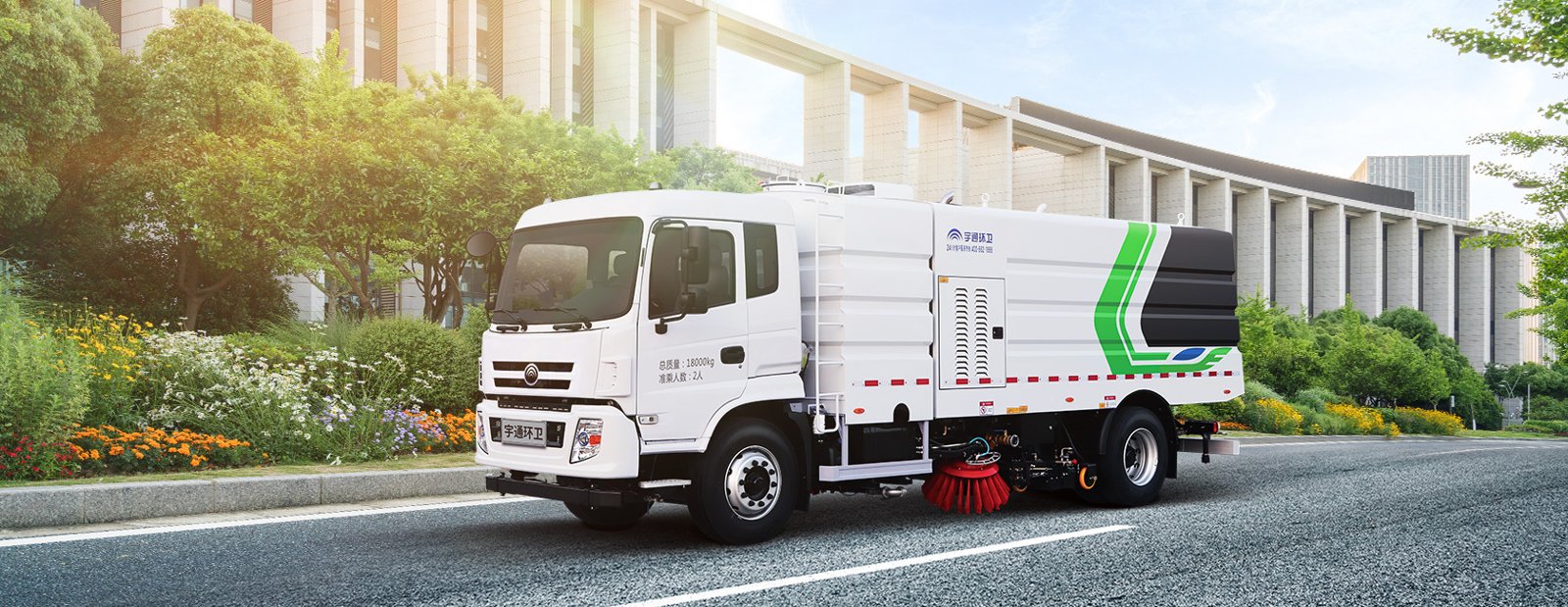
Choose a sweeper when: your routes are standard roads with routine dust, leaves and litter; water supply is limited; and you want long routes between refills.
Choose a sweeper-scrubber when: the surface must look visibly clean; you have plazas, tunnels, bus lanes or stained pavements; and occasional spill cleanup is on the task list. Electric models such as the electric sweeper-scrubber suit city centres with noise and emission limits.
Fleet TCO
A sweeper-scrubber costs more per truck and uses more water, so it is the right choice only where its wet-clean finish justifies the extra. A fleet that buys scrubbers for every routine road wastes water and capital. Conversely, buying only sweepers for a city centre that expects streak-clean plazas leads to complaints and repeat passes. The efficient setup is usually a mix: sweepers for daily road routes, scrubbers for the high-visibility and stained surfaces. We can spec both based on your route list and water supply.
| Sweeper truck | Sweeper-scrubber | |
|---|---|---|
| Strengths | Low water use; long routes; lower capital | Wet-clean finish; removes stains; versatile |
| Watch out | Cannot deep-clean a stained surface | Higher capital; more water and refill stops |
| Best routes | Standard roads, dust, leaves | Plazas, tunnels, stained pavements |
Frequently asked questions
What is the difference between a sweeper and a sweeper-scrubber?
A sweeper uses brushes and suction to lift debris with a light water spray. A sweeper-scrubber adds scrubbing and flushing: it lays water, scrubs and recovers the dirty water, leaving the road wet-clean rather than just brushed.
When do I need a sweeper-scrubber instead of a plain sweeper?
For visibly clean surfaces such as plazas, tunnels, greasy pavements and spill cleanup. A plain sweeper handles routine dust and leaf pickup. If the road still looks dirty after sweeping, you probably need scrubbing.
How does water use compare?
A sweeper uses a small spray to suppress dust. A sweeper-scrubber uses more water because it washes and recovers the surface, needing larger tanks and more frequent refills.
Can one truck do both jobs?
A sweeper-scrubber covers both brush-pickup and wash-clean modes, so it is the versatile choice. A plain sweeper cannot deep-clean a stained surface. For mixed duties, a sweeper-scrubber per team is usually efficient.
Not sure which cleaning truck your routes need?
Send us your route list, the surface types, daily water supply and whether you need wet-clean plazas. We will spec the right mix of sweepers and sweeper-scrubbers and send a quotation. Browse sweeper trucks, sweeper-scrubbers or all sanitation machinery.