










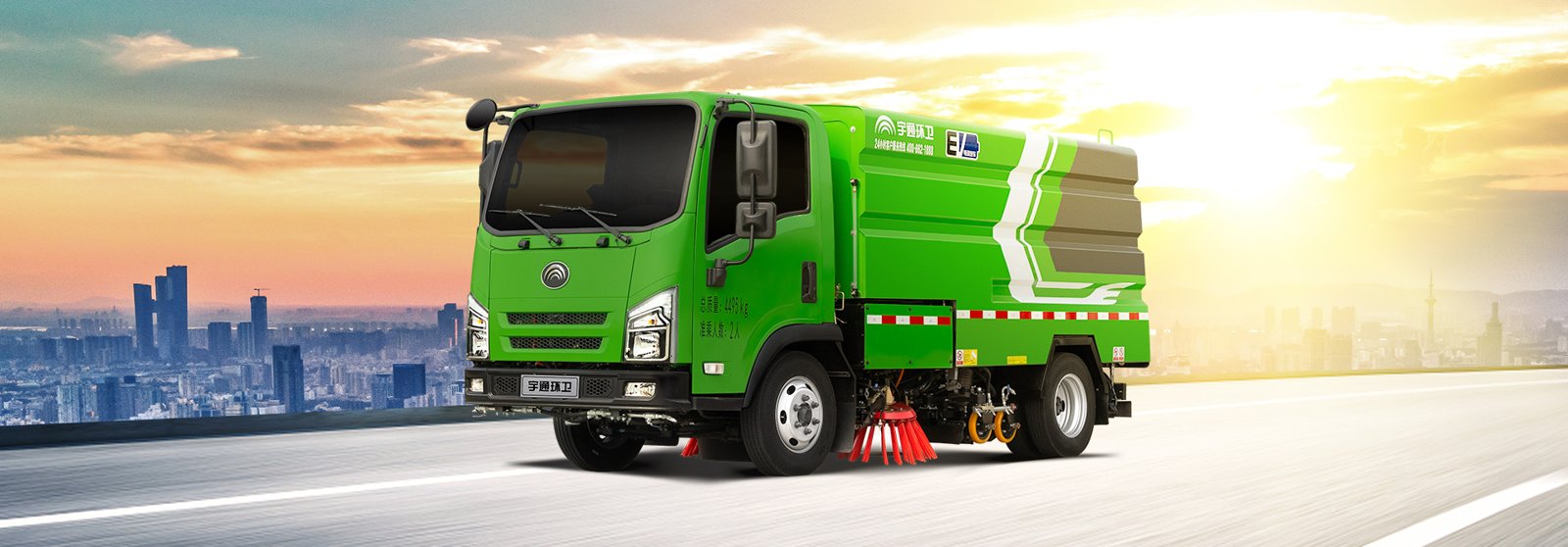
Electric sweeper — battery + depot charge
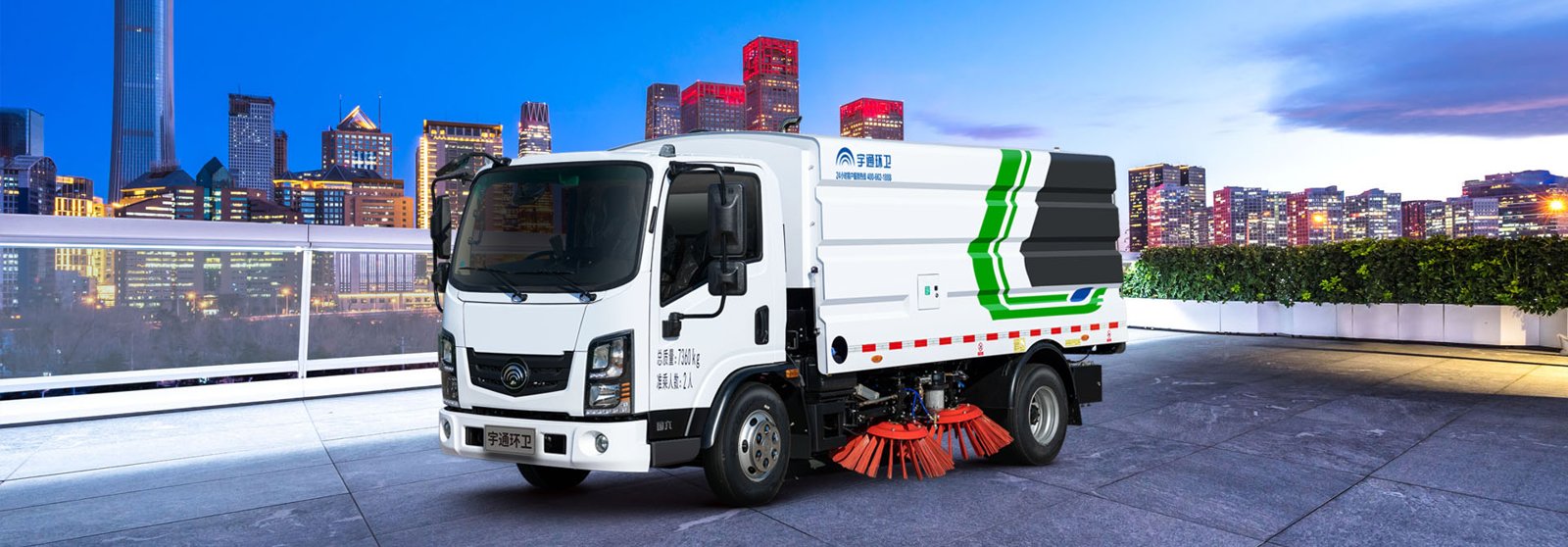
Diesel sweeper — conventional fuel
Side-by-side TCO comparison
The cleaning body does the same job either way; the difference is how the truck is driven and refuelled. The electric model costs more upfront but cheaper per shift. Use this table as the framework, then drop in your local prices.
| Cost factor | Electric sweeper | Diesel sweeper |
|---|---|---|
| Purchase price | Higher (battery + drive) | Lower |
| Energy per km | Low (electricity) | Higher (diesel) |
| Routine service | No engine oil / filters | Oil, filters, after-treatment |
| Infrastructure | Depot charger required | Fuel bowser only |
| Noise / exhaust | Zero exhaust, quiet | Diesel engine noise and fumes |
| Best duty | Fixed routes, depot charging | Long / irregular routes |
Upfront price versus running cost
The electric sweeper carries a battery pack and electric drive, so it costs more to buy. That is the number that stops committees switching. The diesel sweeper is cheaper at signing and needs no charger. On a pure purchase-price comparison the diesel always wins, which is the wrong comparison for a five-year fleet decision.
Where the electric truck claws back the gap is every shift. Electricity per kilometre worked is a fraction of diesel, and the electric truck has no engine oil, fuel filters, exhaust after-treatment or tune-up schedule. On a municipal fleet that runs the same route six days a week, those savings compound. The payback time is simply the price premium divided by the annual running saving, and it gets shorter as diesel gets more expensive or electricity is cheap off-peak.
Why the sweeper duty cycle suits electric
Electric vehicles repay best on a predictable duty cycle, and a sweeper has one of the most predictable there is. It leaves the depot, runs a fixed route at low speed, and returns to the depot every shift. That means the battery never has to chase a long range; it can be sized to the route, charged overnight on cheap off-peak power, and worked shallow cycles that protect battery life.
Compare that to a truck hauling variable loads on the highway, where range anxiety and fast charging dominate. A sweeper never leaves its territory, so the two biggest objections to electric vehicle adoption disappear. Add zero exhaust and quiet operation at dawn in a residential neighbourhood, and the case for an electric municipal sweeper is strong.
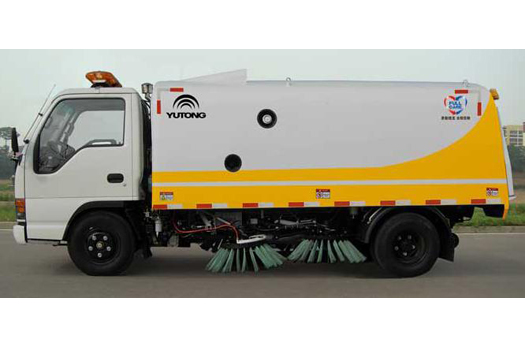
Which duty suits which powertrain
Go electric when: routes are fixed; the depot can install charging; you work early-morning residential routes where noise and exhaust matter; and electricity is cheap relative to diesel.
Stay diesel when: routes are long and irregular with no depot charging; electricity tariffs are high; or you need a truck that works anywhere tomorrow. A mixed fleet lets you electrify the best routes first. Browse the sweeper range to compare sizes.
Five-year TCO model
Build the model as: purchase price, plus five years of energy cost, plus five years of service, plus a reserve for battery service. The electric truck's higher purchase is offset by lower energy and service; the diesel's low purchase is offset by fuel and engine maintenance. The crossover happens fastest when daily work hours are high and diesel is expensive. Include the charger as a depot capital line, spread across the fleet that uses it. We run this exact model with your route length, electricity tariff and diesel price.
| Electric sweeper | Diesel sweeper | |
|---|---|---|
| Strengths | Cheap to run; quiet; zero exhaust; low service | Lower purchase; no charger; works anywhere |
| Watch out | Higher purchase; needs depot charging | Fuel and engine service; noise and exhaust |
| Best duty | Fixed municipal routes, depot charging | Long / irregular routes, no charging |
Frequently asked questions
Is an electric sweeper more expensive to buy than a diesel one?
Yes, typically, because the battery and electric drive add to the price. The case is not the sticker but whether the lower energy and maintenance bill over five years closes the gap.
How much cheaper is the electric sweeper to run?
Per kilometre worked, electricity is far cheaper than diesel, and the electric truck skips engine oil, filters and after-treatment. A fixed daily route with depot charging is where it pays back fastest.
What is the battery replacement risk?
A sweeper runs a fixed route and charges at the depot, so the battery cycles in a shallow, predictable pattern that suits its life. Keep a realistic service reserve in the TCO, but this duty is kinder than long-haul cycling.
When should I stick with diesel?
Stick with diesel for long, irregular routes with no depot charging, high electricity tariffs, or a truck that must work anywhere. For a fixed municipal fleet with depot charging, electric usually wins on TCO.
Not sure how fast electric pays back for your fleet?
Send us your daily route length, shifts per week, electricity tariff, diesel price and available depot charging. We will model electric versus diesel over five years and send a payback estimate and quotation. Compare the electric sweeper model and the diesel equivalent, or browse all sanitation machinery.