










The project at a glance
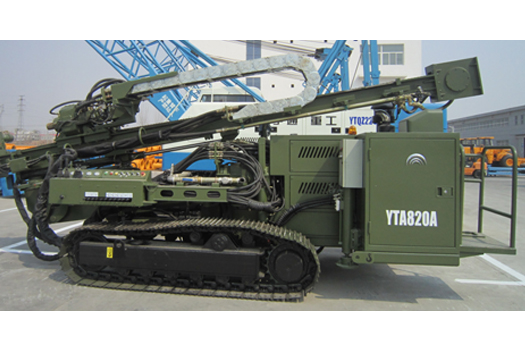
The customer is a ground improvement contractor preparing an old landfill site for a building platform. The fill was loose and compressible, with variable depth, and the engineer required a densified bearing layer with controlled residual settlement before construction could start. The tender called for dynamic compaction to densify the upper fill to design depth, with post-treatment testing. We deployed the YTQH3000MHE class dynamic compaction machine for the platform.
| Item | Value |
|---|---|
| Site | Old municipal landfill, urban edge, building platform |
| Fill profile | Loose, variable-depth refuse and soil fill |
| Required depth | ~5-6 m densified bearing layer |
| Method | Dynamic compaction, tamper drops on a grid |
| Supplied units | YTQH3000MHE dynamic compaction machine |
| Verification | SPT / plate load tests plus settlement monitoring |
The challenge: loose fill, settlement control and urban vibration limits
Loose, variable fill. An old landfill does not compact uniformly. Some parts are loose refuse, others are soil fill dumped in layers. Building on it untreated means differential settlement that cracks slabs and foundations. The treatment has to densify the upper fill to a consistent bearing layer.
Settlement control. The engineer did not just want the ground to look compacted; the design required residual post-treatment settlement within the building's tolerance. That means the treatment has to reach a measured depth, not just bounce the surface.
Urban vibration. The platform sat near existing buildings. Each tamper drop sends ground vibration outward, so the drop energy and the working edge had to be kept within the local vibration limit for neighbouring structures. Heavy energy right up to a boundary is not allowed.
The solution: YTQH3000MHE on an impact-energy grid
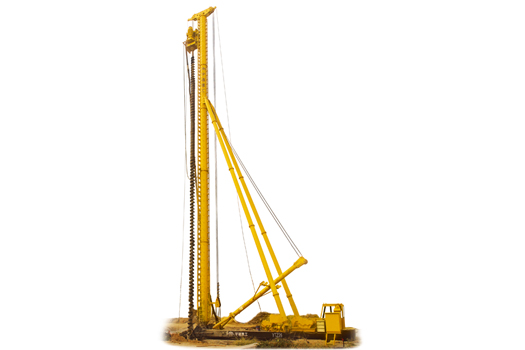
We laid the YTQH3000MHE tamper drops out on a grid sized to the 5 to 6 m required improvement depth. The grid spacing and drop energy were chosen so the tamper impacts overlap across the platform and densify the upper fill to design depth. For lighter, shallower treatment on other areas of the site, a smaller unit such as the YTQH750HE covers the work; the 3000 class carries the deeper, higher-energy treatment. The broader line is on the dynamic compaction machines page, with hydraulic options on the hydraulic dynamic compaction page.
Near the boundary with existing buildings, the drop energy was reduced and the work sequenced so ground vibration stayed within the local limit. That sequencing is part of the method on an urban landfill: the high-energy core gets full treatment, and the edge steps down in energy as it approaches sensitive structures. Every drop pass is recorded so the contractor can show the engineer the treatment grid and energy applied across the platform.
The results: depth of improvement and settlement control
After treatment, the site tests showed the densified layer reached the design depth across the platform. Standard penetration and plate load tests confirmed the bearing layer met the engineer's requirement, and settlement monitoring after treatment showed residual settlement within the building's tolerance. The platform was handed over as a buildable bearing surface, which is the number that matters: the structure goes on top without differential settlement showing up later.
The contractor's site foreman noted that the grid "hit the design depth across the platform, and the vibration-limited edge stayed inside the neighbour limit." On an urban landfill that combination is the win: the interior gets the high-energy treatment it needs, and the edge respects the buildings next door. The drop-pass records also made the engineer's sign-off straightforward, because the treatment was documented grid by grid.
Why the contractor chose Yutong
The tender came down to the treatment depth and the vibration control. First, the dynamic compaction machine delivered the 5 to 6 m densified layer the design called for, not just a surface bounce. Second, the grid and drop energy were documented so the engineer could verify the treatment. Third, the edge sequencing kept vibration within the urban limit. The contractor now has a repeatable method for the next landfill platform: core gets high-energy treatment, edge steps down, and every pass is recorded for sign-off.
For contractors preparing landfills, mine tailings or loose fill for building platforms, start from the required improvement depth and the vibration limits next door, then choose the tamper energy. The full dynamic compaction range is on the dynamic compaction machines page, and the foundation category overview is on the foundation construction equipment page.
Frequently asked questions
What is dynamic compaction used for on a landfill?
Old landfill fill is loose and compressible. A heavy tamper dropped from height densifies the upper fill, reducing future settlement so a building platform can be built on top without differential settlement.
How is the impact energy grid chosen?
Grid spacing and drop energy come from the fill depth and required improvement depth. Deeper, looser fill needs higher energy at wider spacing; shallow fill needs less. Impacts overlap across the platform.
How is depth of improvement measured?
Post-treatment SPT or plate load tests confirm the densified layer reaches design depth, and settlement monitoring confirms residual settlement is within the building's tolerance.
What are the vibration concerns?
Tamper drops send ground vibration outward. Near existing structures, drop energy is reduced or sequenced to keep vibration within the local limit for neighbouring buildings.
Plan ground improvement for your site
Send us the fill depth, the required improvement depth, the building settlement tolerance and the distance to the nearest neighbouring structure, and our foundation engineering team will size the tamper energy across the Yutong range. We export to over 60 countries on FOB or CIF terms with the full customs document set.