










The project at a glance
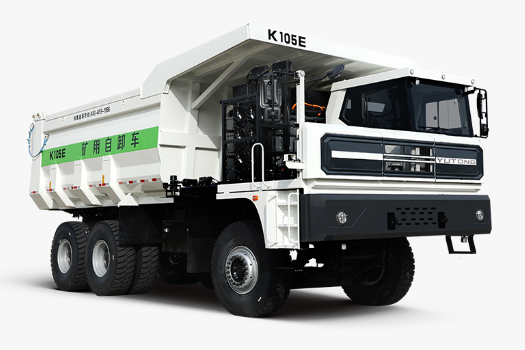
The customer is an open-pit coal mine in East Kalimantan, Indonesia. The mine ran a diesel fleet on a short shovel-to-crusher loop and was watching two costs climb: diesel delivered to a remote pit by road tanker, and the heat and exhaust inside the cab in a tropical climate. The tender asked for a battery-electric truck that could hold the loop cycle, charge without eating into production time, and run in 35 C ambient. The chosen model was the YTK90E 90 t battery-electric mining truck.
| Item | Value |
|---|---|
| Location | East Kalimantan, Indonesia, open-pit coal |
| Material | River-run coal and overburden, ~1.8 t/m3 |
| Loop length | ~1.2 km round trip, shovel to crusher |
| Ramp grade | 3 percent, short sustained section |
| Ambient temperature | 30-35 C, high humidity |
| Supplied units | YTK90E 90 t battery-electric trucks |
| Charging | Opportunity charging at shift breaks, grid power on site |
The challenge: fuel cost, cab heat and charging that does not stop production
Diesel by road tanker. A remote Indonesian pit does not get cheap pipeline fuel. Diesel arrives by road tanker and the price is marked up by the time it reaches the shovel. On a short loop where the truck cycles all day, the fuel line is the biggest operating cost on the truck.
Cab heat and exhaust. A diesel truck in a 35 C pit heats the cab with engine heat and sits the driver on exhaust noise. Over a 12-hour shift that affects comfort and retention. An electric truck removes the engine noise and the exhaust heat, which the operators noticed on day one.
Charging without losing cycle. The risk with an electric truck is that charging becomes lost production. If the truck has to sit for hours to charge, the loop falls apart. The design had to use the existing break windows, not add a new stop into the cycle.
The solution: YTK90E sized to the loop with opportunity charging
We sized the YTK90E to the loop's measured energy per cycle. The loop is short and mostly flat, so the battery does not need the range of a long-haul truck; it needs enough capacity to cover the loop plus the 3 percent ramp section, with margin for the tropical heat. Charging is placed at the driver changeover and meal breaks, at a fixed bay near the shovel, so the truck tops up while the driver is off shift rather than while the mine is waiting on the truck.
The battery pack runs its own thermal management so it stays in the working temperature window even in 35 C ambient. That is the detail that matters in Indonesia: a battery that overheats derates and loses range, which puts the loop at risk. The cab is insulated and air-conditioned for the driver. For buyers comparing models, the YTK105E sits a class up for longer loops; the YTK90E was the right fit for this 1.2 km duty. The electric range on the Southeast Asia mining equipment page walks through the same loop-sizing logic for other tropical sites.
The results: energy cost and uptime after nine months
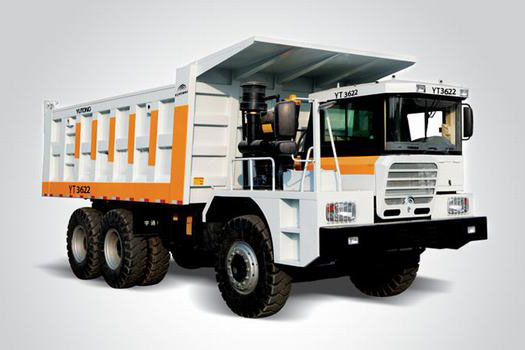
After nine months of loop operation, the mine reported that energy cost per tonne moved well below the diesel equivalent when grid power was used, because the loop was short and the truck was carrying no idling engine load. Fleet uptime held at the mine's target, with no battery-related unscheduled stoppage in the first nine months. The thermal management kept the pack in its working window through the wet-season heat peaks.
The mine's operators were the most visible result: the cab was quiet and free of exhaust, which changed shift comfort. The mine also noted that opportunity charging meant the trucks were on the loop when they needed to be, and charging never showed up as lost production. That is the point of sizing the battery to the loop instead of buying range that the duty cycle never uses.
Why the mine went electric on this loop
The decision came down to the duty cycle, not to a preference for electric. The loop was short, flat and powered from the grid, which is exactly the profile where a battery truck wins on operating cost. Long, hilly hauls without charging access are a different case and we would size those differently. On this loop, the YTK90E cut the fuel line and improved cab conditions without adding charging downtime. The mine now has a repeatable template for the next short shovel loop: same loop-sizing approach, same opportunity-charging plan, same thermal spec for the climate.
Buyers running coal or overburden loops in Indonesia, the Philippines or Australia with grid power at the pit should start from the measured energy per cycle and the break windows, then size the battery. The electric range is on the mining dump trucks page, and regional export detail is on the Southeast Asia mining equipment page.
Frequently asked questions
Why go electric instead of diesel?
The loop was 1.2 km round trip, flat, with grid power at the pit. On that duty cycle a battery truck cuts the fuel line hard and removes exhaust heat and engine noise from the cab.
How was charging planned?
The trucks charge during driver changeover and meal breaks at a fixed bay near the shovel, so charging uses existing break windows and does not come out of production time.
What was the tropical climate challenge?
High heat is hard on batteries and drivers. The pack has its own thermal management to stay in its working window in 35 C ambient, and the cab is insulated and air-conditioned.
What were the results after nine months?
Energy cost per tonne moved below the diesel equivalent on grid power, with no battery-related downtime. Cab comfort improved because there is no diesel noise or exhaust next to the operator.
Size an electric truck to your loop
Send us your loop length, round-trip elevation change, hours of operation per day, grid power available at the pit and local diesel price, and our mining engineering team will tell you whether the YTK90E or a larger electric unit fits the duty cycle. We quote in US dollars on FOB or CIF terms and ship the full customs document set.