










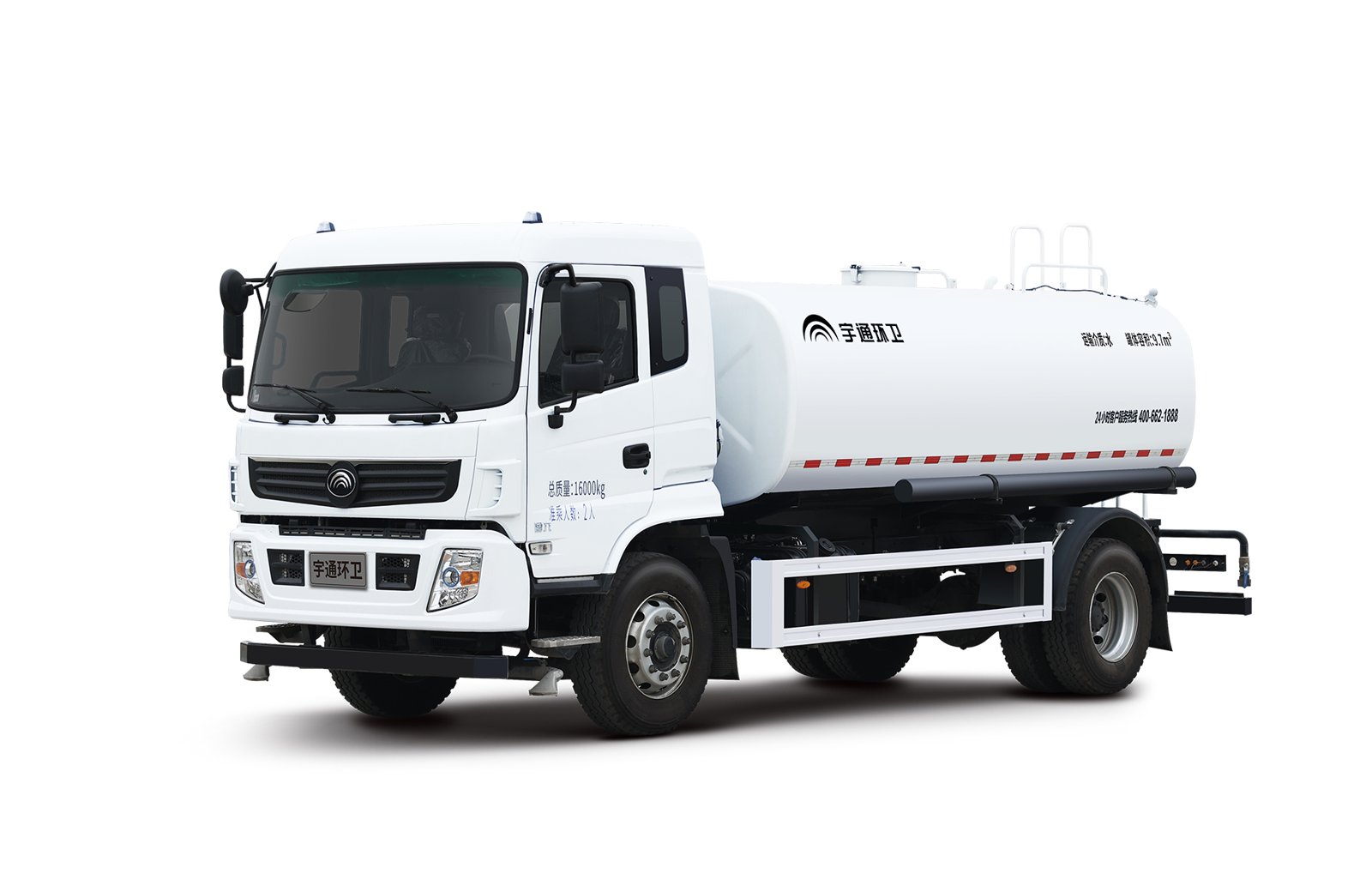
Sprinkler truck — bulk water on the surface
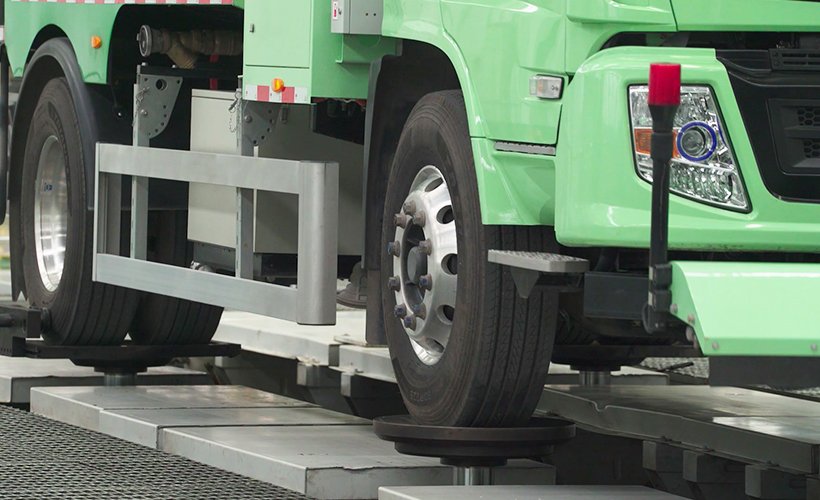
Dust suppression truck — fine mist in the air
Side-by-side comparison
Both are water-carrying trucks, but the spray hardware and the dust physics are different. A sprinkler delivers volume water onto the ground; a suppression truck delivers a targeted fine mist into an airborne plume. Pick based on where the dust is coming from.
| Factor | Water sprinkler | Dust suppression truck |
|---|---|---|
| Spray type | Volume water, under-tray bars | Fine mist cannon, long throw |
| Where it acts | On the road / ground surface | In the air, on the dust plume |
| Reach | Width of the truck | Dozens of metres downrange |
| Droplet size | Coarse, wetting | Fine, captures dust particles |
| Main jobs | Road wash, cooling, water greenery | Stockpiles, demolition, quarry dust |
| Best site | City roads, unpaved haul roads | Quarries, mines, demolition, ports |
Surface wetting versus airborne capture
A water sprinkler sprays bulk water from under-tray bars, a rear gun and side outlets. It wets the road surface, washes it, cools it in summer and waters green strips. Its job is to keep dust from lifting off the ground in the first place. On an unpaved haul road it works well: wet surface means less airborne dust as trucks pass.
A dust suppression truck solves a different problem: dust that is already airborne. Its mist cannon throws a cloud of fine droplets dozens of metres. Those droplets collide with dust particles in the plume, make them heavier, and drop them back onto the stockpile or ground. A sprinkler cannot reach a dust plume rising off a crusher or a demolition floor; the mist cannon is the tool for that airspace.
Droplet size is the engineering point
Dust control works best when the water droplet is close in size to the dust particle. A sprinkler uses coarse droplets that wet the surface but are too big to catch fine airborne dust efficiently. A suppression cannon is tuned to produce fine droplets in the right size band, so they stay aloft long enough to intercept dust before settling. That is why one truck wets the ground and the other cleans the air, and why swapping them does not solve the problem you actually have.
Wind also matters. A mist cannon needs to be aimed upwind of the plume and worked at a range where the droplets still reach it. In strong wind the fine mist drifts, so nozzle pressure and throw distance are specified for the site's typical wind conditions, not just the headline range number.
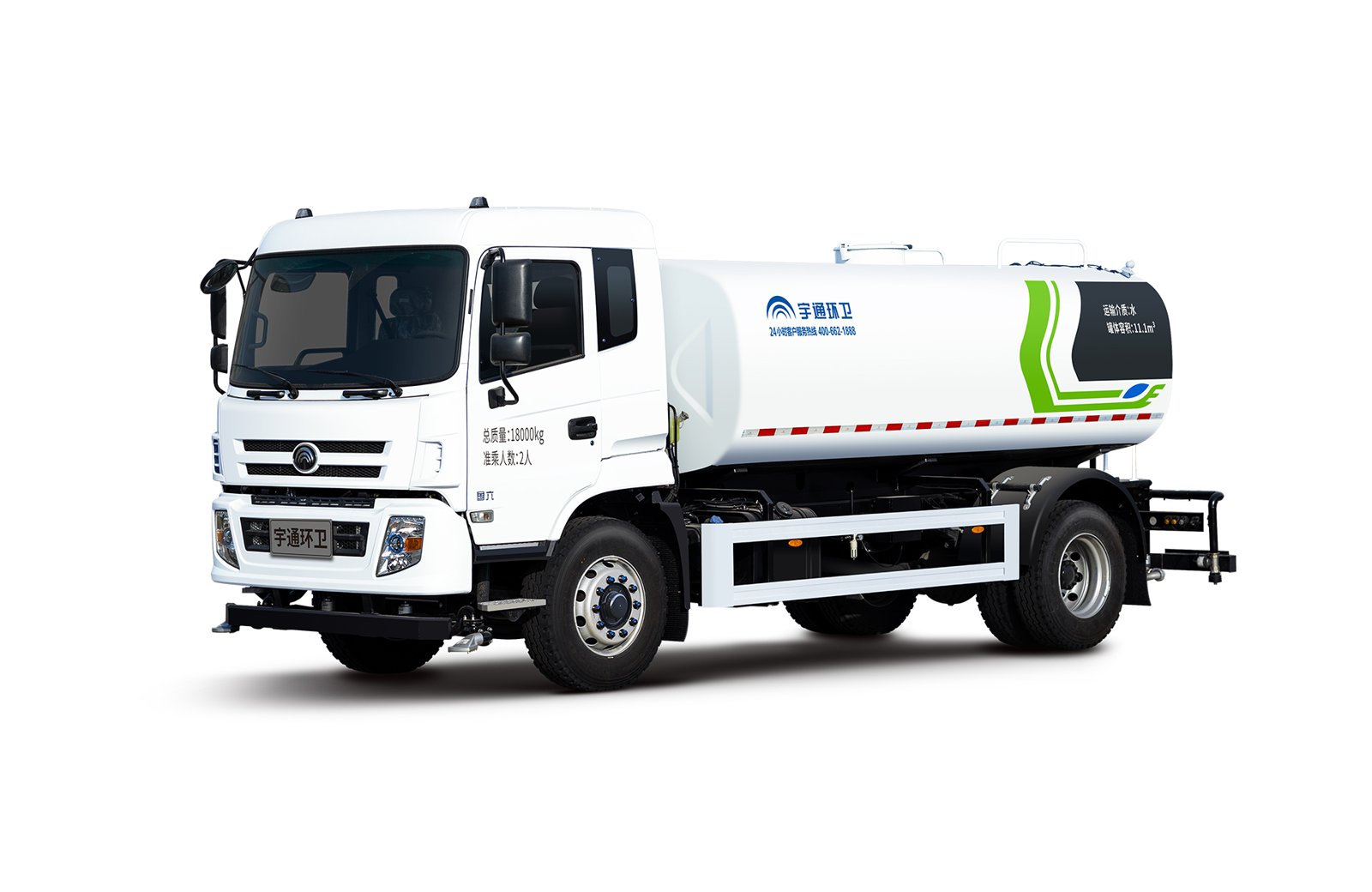
Which truck fits your dust source
Choose a sprinkler when: your problem is dust lifting off roads and open ground; you also need road washing, summer cooling or watering; and the dust has not yet become an airborne plume.
Choose a dust suppression truck when: dust is already in the air off stockpiles, crushers, demolition or loading; you need reach into the plume; and ground wetting alone is not enough. Combined units cover both. See the water sprinkler truck model for tank sizes.
Fleet and water TCO
The cheapest answer is the truck that stops the dust you actually have. Buying suppression cannons for a road-washing city fleet wastes a long-throw capability you do not use; buying only sprinklers for a quarry leaves the crusher plume uncontrolled. Many operations run both: sprinklers for haul roads and a suppression cannon for the high-dust point. A combined chassis does both on one truck and often beats running two. Tell us your dust sources and we will spec the right arrangement.
| Water sprinkler | Dust suppression | |
|---|---|---|
| Strengths | Wets surface; washes roads; waters greenery | Catches airborne dust; long reach; fine droplets |
| Watch out | Cannot reach an airborne plume | Overkill for simple road wetting |
| Best sites | City roads, haul roads, greenery | Quarries, mines, demolition, ports |
Frequently asked questions
What is the difference between a sprinkler and a dust suppression truck?
A sprinkler sprays bulk water onto roads and ground to wet the surface. A dust suppression truck uses a mist cannon that throws fine droplets a long distance to capture airborne dust in a stockpile, quarry or demolition zone.
When do I need a dust suppression truck?
Where dust is already airborne: stockpiles, haul roads, demolition, loading docks and quarry faces. The fine mist reaches the plume and drops it. A sprinkler only wets the surface and cannot reach high or far dust.
When is a water sprinkler the right choice?
For road washing, summer cooling, watering green areas and wetting unpaved haul roads to stop dust lifting. It delivers volume water over the ground rather than a targeted airborne mist.
Can one truck do both jobs?
Some chassis carry both under-road spray bars and a mist cannon. If your site does both road washing and stockpile dust control, a combined unit is often more cost-effective than two dedicated trucks.
Not sure which water truck fits your dust problem?
Tell us where the dust comes from, your site size, typical wind conditions and whether you also wash roads. We will spec a sprinkler, a suppression truck or a combined unit and send a quotation. Browse sprinkler water trucks, dust suppression trucks or all sanitation machinery.