










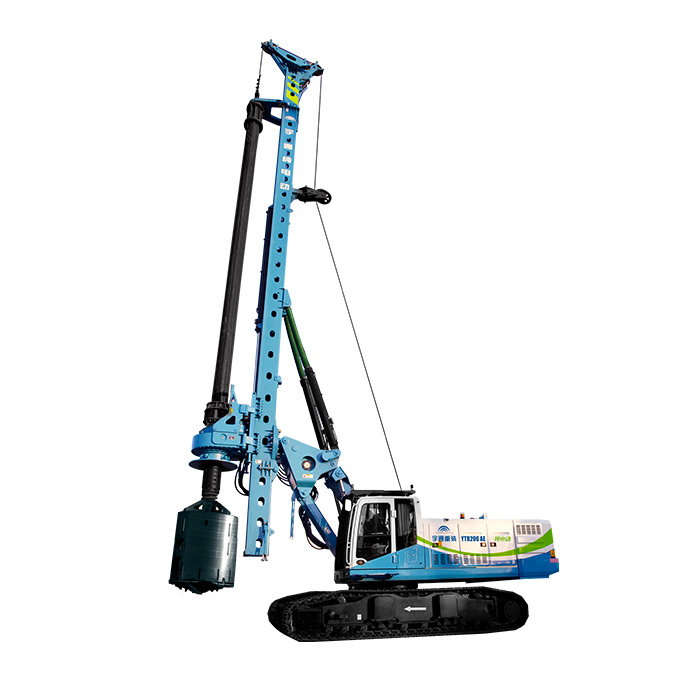
YTR206AE — pure electric, grid-fed
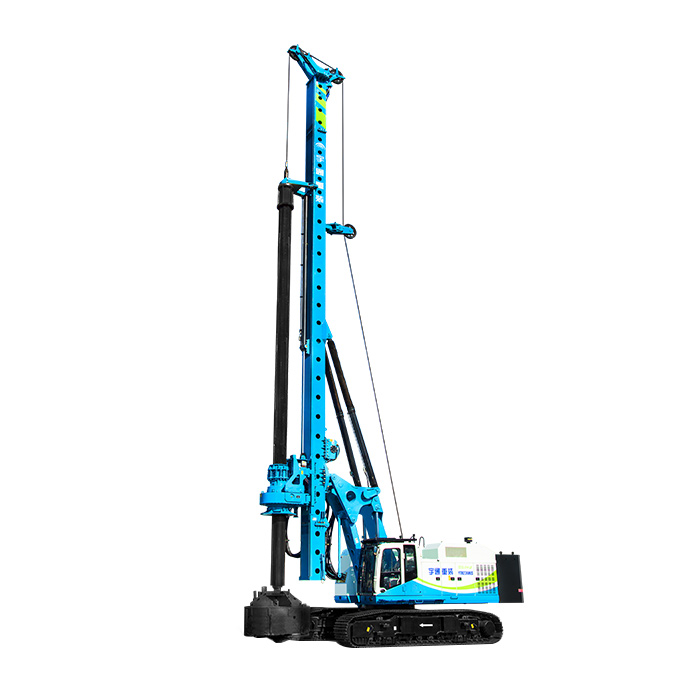
YTR236HES — range extended
Сравнение технических характеристик
Both rigs turn the rotary head through electric drive, so the operator feels the same responsive torque control. The differences are the power source, and the mast class each one is built around. Figures are typical ordering data; the final spec is tuned to your pile design and ground.
| Параметр | YTR206AE | YTR236HES |
|---|---|---|
| Power source | Pure electric, grid fed | Range-extended (onboard generator) |
| Site power needed | Three-phase mains / generator | None beyond fuel |
| Mast class | Mid-depth urban piling | Larger, deeper mast class |
| On-site noise | Low (no engine on board) | Generator noise when working |
| Energy cost | Low (grid electricity) | Medium (diesel for generator) |
| Best use | Urban jobs with power on site | Remote sites, deep piles |
Where the electricity comes from decides everything
The YTR206AE has no on-board engine. It plugs into site three-phase power and drives the rotary head electrically. That means a quiet, exhaust-free rig on a city job, with energy cost per hour tied to the electricity meter rather than a diesel bowser. It only works where you can lay a cable sized to the rig's peak draw.
The YTR236HES keeps the electric drive but adds a range-extender generator that produces the electricity on board. It drives onto a greenfield site with no power pole and starts drilling. The trade-off is fuel consumption and engine service intervals, plus generator noise that a pure-electric rig simply does not have in the residential setting.
Mast, torque and pile depth
The YTR236HES sits a class above the YTR206AE in mast height and rotary torque, built for deeper, heavier piles. The YTR206AE targets the mid-depth urban foundation market: column strips, basements and bridge piers within its torque and mast envelope. Do not pick on power type alone; confirm your required pile diameter, depth and the ground you will drill. If you need deeper piles than the YTR206AE can reach, the question answers itself regardless of which power source you prefer.
Electric rotary drive is an advantage either way. Torque is controlled electrically and holds steady under hard digging, which reduces tool twist and keeps hole deviation in check compared with a purely hydraulic-only arrangement. That matters more on deep, drilled shafts where even small deviation accumulates down the hole.
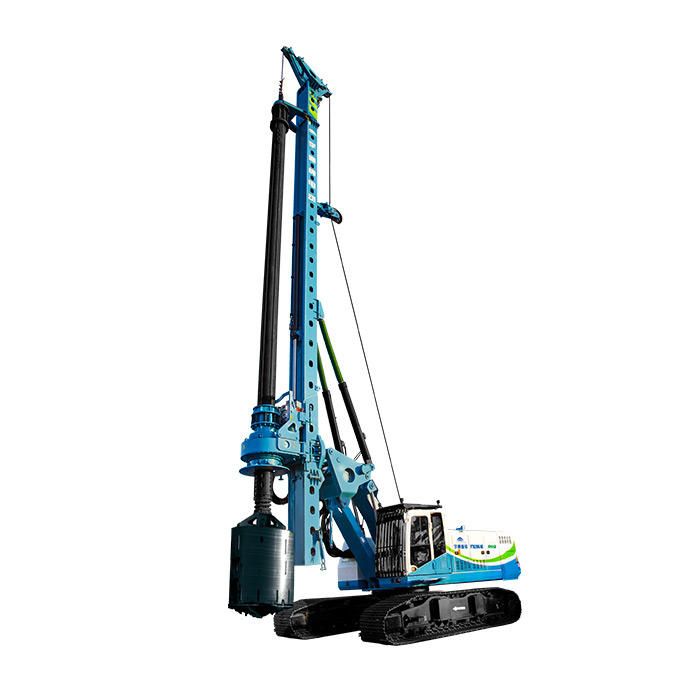
Which rig fits which jobsite
Choose the YTR206AE when: the job is urban or near housing; reliable three-phase power is laid on; you need low noise and no exhaust; and your piles sit within its mid-depth, mid-torque envelope.
Choose the YTR236HES when: the job is remote with no grid supply; you need the larger mast and deeper pile capability; or your fleet moves site to site and cannot rely on every site having power. For even larger pure-electric rigs, the YTR266HE continues the range.
Jobsite TCO: cable cost versus fuel cost
The YTR206AE wins on energy cost per hour because grid electricity is cheaper than diesel per unit of work, and it has no engine to service. But the comparison changes once you count the cost of bringing power to the rig: cabling, a sub-contractor generator if mains is too far, and idle time while power is organised. The YTR236HES avoids that setup cost but pays a fuel bill and generator maintenance on every shift. Run the numbers with your local electricity tariff, diesel price and how often your rig actually relocates.
| YTR206AE (pure electric) | YTR236HES (range extended) | |
|---|---|---|
| Преимущества | Low noise, no exhaust, low energy cost per hour | Works off-grid; larger mast; relocates anywhere |
| Обратить внимание | Needs a site power supply sized to the rig | Burns diesel; engine service; generator noise |
| Лучшие применения | Urban jobs with mains power | Remote / moving jobs, deep piles |
Часто задаваемые вопросы
Is the YTR206AE fully electric and the YTR236HES hybrid?
The YTR206AE is pure electric off grid power with no on-board engine. The YTR236HES is range-extended: an onboard generator supplies the electric drive so it works without a mains hook-up.
Which rig needs a power supply on site?
The YTR206AE needs stable three-phase mains or a generator sized to it. The YTR236HES carries its own generator and works on remote sites, at the cost of fuel and engine service.
How do they compare on drilling depth and torque?
The YTR236HES sits a class up in mast depth and torque for deeper, heavier piles. The YTR206AE targets mid-depth urban foundation work. Match rig capability to your pile design first, then choose power type.
When does pure electric beat range extended?
On a fixed urban job with reliable mains power, pure electric wins on noise, exhaust and energy cost. Choose the YTR236HES for remote sites, weak grid, or when you need the deeper mast.
Not sure which electric drill fits your project?
Send us your pile diameter and depth, ground conditions, whether site power is available, and how often the rig relocates. We will model the YTR206AE and YTR236HES and send spec sheets plus a jobsite cost estimate. Browse the electric rotary drilling rig range or the full foundation equipment line-up.