










The project at a glance
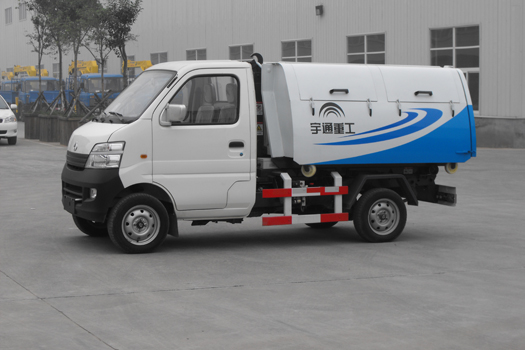
The customer is a construction contractor running an urban earthworks site next to a residential area. The authority required fugitive dust to stay inside the site boundary, and earlier untreated earthworks had drawn neighbour complaints. The contractor needed dust suppression trucks that could cover active earthworks and perimeter roads with a directed spray, run through the working day, and pass the environmental inspection. We supplied the Yutong dust suppression truck line for the site.
| Item | Value |
|---|---|
| Site | Urban earthworks next to residential area |
| Dust source | Earthworks, vehicle tracking, wind on exposed soil |
| Coverage | Active earthworks and perimeter haul roads |
| Compliance | Dust to stay inside site boundary |
| Supplied units | Dust suppression trucks |
| Refill | Planned around nearest site water point |
The challenge: airborne dust, neighbours and a compliance boundary
Airborne dust leaves the site. Earthworks and tracked vehicles throw dust that the wind carries onto neighbouring streets. Once it leaves the boundary, the authority and the residents complain. The suppression has to catch the particles before they travel.
Directed spray, not just wetting. A sprinkler wets the ground but does not catch airborne dust. A dust suppression truck emits a fine mist with reach, binding particles in the air across the active work face and perimeter road.
Refill without stopping suppression. On a busy earthworks day the truck cycles through its tank. If the refill point is far, suppression stops while the truck runs to water. The refill frequency has to be planned around the nearest water point so coverage never lapses.
The solution: dust suppression trucks on active faces and perimeter roads
We put the dust suppression trucks to work on the active earthworks face and the perimeter haul road where tracked vehicles throw dust. The directed mist binds airborne particles before they cross the boundary. For wetting haul roads and surface dust, the contractor also runs a water sprinkler truck from the sprinkler water trucks line, which complements the suppression truck on the ground-level dust.
Refill cycles were planned around the nearest site water point so the suppression trucks were never running empty on the active face. That planning is the detail that keeps a construction site compliant: suppression only works if it is running when the dust is being generated. The sanitation category overview is on the environmental sanitation machinery page.
The results: dust inside the boundary and inspection passed
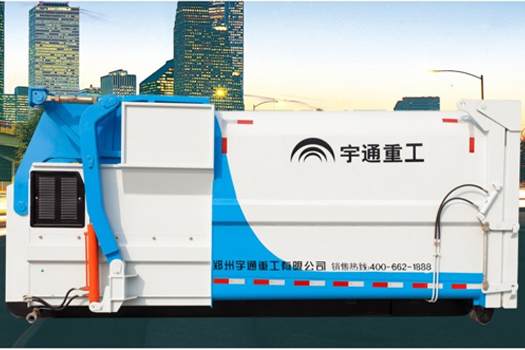
With suppression running on the active earthworks and perimeter roads, dust stayed inside the site boundary through the earthworks phase. The site passed the local environmental inspection, and the neighbour complaints that earlier untreated earthworks had drawn did not recur. The refill plan meant suppression never stopped for a water run while the active face was generating dust.
The site environmental officer noted that the suppression trucks "kept the dust on our side of the fence, and we did not get the complaints we did before." On an urban construction site, that is the result: the work continues next to residents without the dust that triggers complaints. The directed mist covered the active face, and the sprinkler kept the haul road surface down.
Why the contractor chose Yutong
The decision came down to coverage, refill planning and compliance. First, the directed mist caught airborne dust before it crossed the boundary. Second, the refill plan kept suppression running through the active earthworks. Third, the site passed inspection without the complaints of the untreated phase. The contractor now has a repeatable method for the next urban site: suppression on the active face, sprinkler on the haul road, refill planned to the nearest water point.
For construction contractors on urban or near-residential sites, start from the dust sources (active face, tracked haul road) and the boundary you have to keep dust inside, then match suppression and sprinkler coverage. The dust suppression range is on the dust suppression trucks page, and the sanitation category overview is on the environmental sanitation machinery page.
Frequently asked questions
What causes fugitive dust on a construction site?
Earthworks, tracked vehicles and wind on exposed soil throw dust that crosses onto neighbouring streets. Authorities require suppression so dust stays inside the boundary.
How is a dust suppression truck different from a sprinkler?
A sprinkler wets surfaces. A suppression truck emits a directed fine mist that binds airborne particles with reach, covering the active face and perimeter where dust is in the air.
How is water endurance planned?
Tank capacity and spray rate set run time before refill. Refills are planned around the nearest water point so suppression never stops while the active face is generating dust.
What were the compliance results?
With suppression on the active face and perimeter roads, dust stayed inside the boundary, the site passed inspection, and the neighbour complaints from the untreated phase did not recur.
Plan dust control for your site
Tell us the active dust sources, the site area, the nearest water point and the compliance boundary, and our sanitation engineering team will match suppression and sprinkler trucks across the Yutong range. We export to over 60 countries on FOB or CIF terms with the full customs document set.