










The project at a glance
The customer is a regional airport operator maintaining a runway, taxiway and apron network. The pavement had to stay clean to a friction and foreign-object-debris (FOD) standard within the airport's maintenance window, with rubber and loose debris removed before the next operating period. The tender asked for dedicated runway sweepers that could cover the paved network in the available window. We supplied the runway cleaning truck class from the sweeper scrubber trucks line.
| Item | Value |
|---|---|
| Site | Regional airport, runway, taxiway, apron |
| Standard | Friction and FOD control on paved area |
| Window | Maintenance turnaround / night window |
| Debris | Rubber deposits and loose FOD removal |
| Supplied units | Runway cleaning trucks |
| Coverage | Runway and taxiway within window |
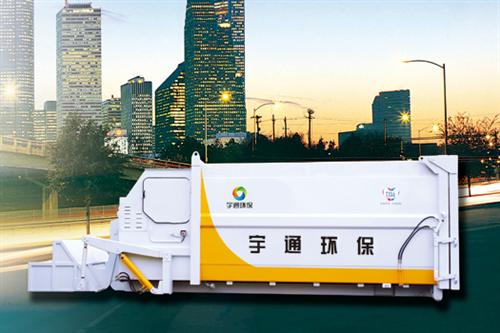
The challenge: friction standard, FOD and a tight maintenance window
Friction depends on a clean surface. Runway friction is what stops an aircraft on landing. Rubber deposits from braking and loose debris lower that friction, so the pavement has to be cleaned to the standard the airport is inspected to. This is not cosmetic cleaning; it is a safety requirement.
FOD is a hazard. Loose foreign object debris on a runway can be ingested by an engine or damage a tyre. The sweeper has to clear the paved area so no FOD remains for the next aircraft.
Clean in the window. An airport cannot clean while aircraft operate. The runway and taxiway have to be covered within the turnaround or night maintenance window, so the sweeper's coverage rate has to match the network length inside that time.
The solution: dedicated runway sweepers matched to the window
We matched the runway cleaning trucks to the paved network length and the maintenance window. The sweeper clears loose FOD and surface rubber across the runway and taxiway so the friction characteristic is maintained. For the apron and hardstand wash-down, the contractor can draw on the road washer line; the combined sweeper-and-washer approach keeps the whole paved area to standard. The sanitation category overview is on the environmental sanitation machinery page.
Because the window is fixed, the sweepers were scheduled so the runway and taxiway network was covered before the next operating period. That scheduling is the detail that keeps an airport compliant: the cleaning has to finish inside the window, not start late and run into operating time.
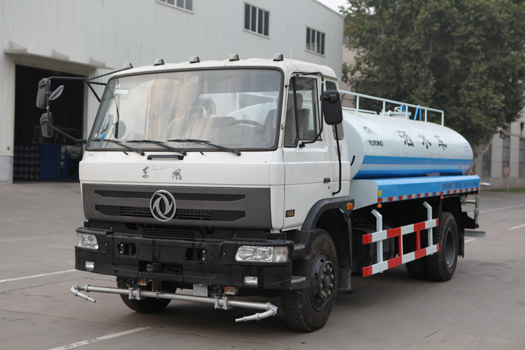
The results: coverage and cleaning standard
Within the maintenance window, the sweepers covered the runway and taxiway network and kept the paved area to the friction and FOD standard the airport required. Rubber and loose debris were removed so the surface maintained its friction characteristic, and the network was ready for the next operating period without FOD remaining on the pavement. The airport's inspection of the paved area stayed at standard through the operating season.
The airfield operations lead noted that the sweepers "covered the runway and taxiway in the night window and left the surface clean for first light." On an airport, that is the result: the paved area meets the friction and FOD standard and is ready when operations resume. The scheduled coverage meant cleaning never ran into operating time.
Why the airport chose Yutong
The tender came down to coverage rate, FOD control and window fit. First, the sweepers covered the paved network inside the maintenance window. Second, the cleaning kept the friction and FOD standard the airport is inspected to. Third, the scheduled coverage meant cleaning never ran into operating time. The airport now has a repeatable spec for the next season: runway sweeper sized to the network length and the window, apron wash-down from the washer line.
For airport operators maintaining paved areas, start from the network length, the maintenance window and the friction/FOD standard you are inspected to, then size the sweeper. The sweeper range is on the sweeper scrubber trucks page, and the sanitation category overview is on the environmental sanitation machinery page.
Foire aux questions
Why does a runway need dedicated sweeping?
Runway friction depends on a clean surface. Rubber deposits and loose debris reduce friction, so a dedicated sweeper maintains the paved area to the friction standard the airport is inspected to.
How is cleaning matched to turnaround windows?
Cleaning happens in the turnaround or night maintenance window. The sweeper must cover the runway and taxiway within that window so the paved area is ready for the next operating period.
How is rubber and FOD handled?
The sweeper removes loose foreign object debris and surface rubber buildup so the pavement friction is maintained. FOD on a runway is an engine-ingestion and tyre hazard.
What were the coverage results?
The sweepers covered the runway and taxiway within the window, kept the paved area to friction and FOD standard, and left the network ready for the next operating period.
Spec an airfield cleaning fleet
Send us the runway and taxiway length, the maintenance window, and the friction or FOD standard you are inspected to, and our sanitation engineering team will match sweepers and washers across the Yutong range. We export to over 60 countries on FOB or CIF terms with the full customs document set.